Understanding Household Water Problems and Why the Right Solution Matters
Water Is Easy to Take for Granted
Most of us don’t think much about water until something changes. It sits quietly in the background of everyday life, helping us cook meals, wash clothes, clean dishes, and start our mornings with a hot shower. It’s dependable—until it isn’t.
Maybe the water develops a strange smell. Perhaps your glassware starts looking cloudy even after a dishwasher cycle. Sometimes it’s a metallic taste that appears out of nowhere, or a stubborn stain around sinks and fixtures that refuses to disappear.
These moments tend to catch people off guard. After all, water is supposed to be simple.
The reality, though, is that water quality can change over time, and even minor issues can affect comfort, convenience, and confidence in the water flowing through your home.
Every Water Source Has Its Own Personality
One of the most interesting things about water is that no two sources are exactly alike.
Groundwater travels through layers of rock and soil before reaching wells. Municipal water passes through treatment plants and miles of infrastructure. Along the way, water picks up minerals, naturally occurring compounds, and characteristics unique to a specific region.
That means two homes located only a few miles apart may experience completely different water conditions.
Some households struggle with hard water. Others deal with iron, sulfur compounds, sediment, or fluctuating water pressure. In many cases, homeowners don’t realize how unique their water is until a problem begins affecting daily routines.
That’s why understanding your water is often more important than people realize.
The Small Signs That Something Isn’t Right
Water issues rarely announce themselves dramatically.
Instead, they usually begin with small inconveniences. A shower door that constantly looks cloudy. Soap that doesn’t lather the way it used to. Laundry that feels rough after washing. An unusual taste that appears in drinking water.
Because these changes happen gradually, people often adapt to them without questioning the cause.
It’s a little like living near a busy road. At first, you notice every passing vehicle. Eventually, the noise fades into the background.
Water problems can work the same way. The longer they persist, the more normal they begin to feel.
Why Water Quality Problems Shouldn’t Be Ignored
While some water concerns are mostly cosmetic, others can affect plumbing systems, appliances, and household efficiency.
Persistent water quality issues may contribute to staining, scaling, unpleasant odors, reduced appliance performance, and increased maintenance requirements. Over time, these seemingly minor inconveniences can become surprisingly expensive.
A water heater operating with heavy mineral deposits often works harder than necessary. Dishwashers may struggle to clean effectively. Plumbing fixtures can require more frequent maintenance.
None of these problems appear overnight, which is exactly why they often go unnoticed for so long.
Paying attention to early warning signs can save homeowners significant frustration down the road.
The Importance of Water Testing
One mistake many homeowners make is trying to solve water problems before identifying the actual cause.
It’s understandable. When something feels wrong, people naturally look for quick fixes. They buy filters, cleaning products, or treatment equipment based on assumptions rather than evidence.
Sometimes those purchases help.
Other times, they don’t.
The reason is simple: similar symptoms can stem from completely different causes. Water that smells unpleasant in one home may require an entirely different solution than water with a similar smell elsewhere.
Professional testing removes the guesswork.
Instead of relying on assumptions, homeowners gain a clearer picture of what’s actually present in their water.
And that information is incredibly valuable.
Why One Solution Doesn’t Fit Every Home
Many people assume there’s a universal answer to water problems.
Unfortunately, water treatment isn’t quite that simple.
The best problem water solutions depend entirely on the conditions present within a specific water supply. What works perfectly for one household may be unnecessary—or ineffective—for another.
A family dealing with hard water faces different challenges than a homeowner managing iron contamination. Likewise, odor concerns require a different approach than bacterial issues.
This is why personalized recommendations tend to produce better long-term results.
The goal isn’t to buy the most equipment.
The goal is to solve the actual problem.
Modern Water Treatment Has Come a Long Way
The good news is that homeowners today have access to more treatment options than ever before.
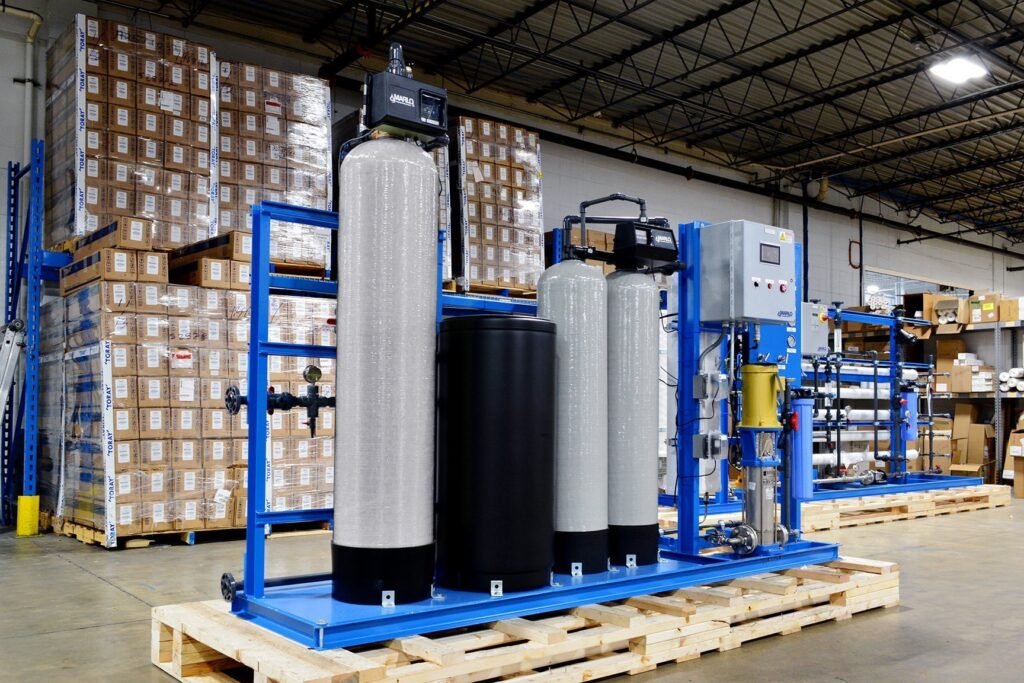
Advances in filtration technology, softening systems, oxidation methods, ultraviolet treatment, and specialized media filters have made it possible to address a wide range of water concerns with impressive accuracy.
Many modern water treatment systems are designed to target specific contaminants while minimizing maintenance requirements.
That’s a significant improvement compared to older approaches that often relied on broad, less efficient treatment methods.
Technology alone isn’t the answer, of course. The real value comes from pairing the right technology with the right water conditions.
That’s where proper testing and professional guidance make such a difference.
Looking Beyond Drinking Water
When people think about water quality, they often focus solely on drinking water.
But water affects much more than what’s poured into a glass.
It influences laundry, bathing, dishwashing, cooking, plumbing performance, appliance longevity, and overall household comfort. In many ways, water is one of the most heavily used resources in any home.
Even small improvements can create noticeable benefits.
Cleaner dishes. Softer fabrics. Reduced maintenance. Improved efficiency.
Individually, these changes may seem minor. Collectively, they can make a home feel easier to manage and more comfortable to live in.
Prevention Is Often Better Than Repair
One lesson experienced homeowners learn over time is that preventive maintenance usually costs less than reactive repairs.
Water quality follows the same principle.
Regular testing, routine inspections, and addressing concerns early can help prevent larger problems from developing. Waiting until an appliance fails or plumbing issues become severe often results in higher costs and greater inconvenience.
A little attention today can prevent a lot of frustration tomorrow.
And that’s true whether you’re dealing with a private well or a municipal water supply.
Final Thoughts
Water plays a role in nearly every part of daily life, yet it’s often overlooked until something goes wrong. From subtle changes in taste and appearance to more noticeable issues involving odors, stains, or appliance performance, water quality deserves more attention than it typically receives.
The encouraging news is that most water problems have solutions. The key is understanding the source of the issue before rushing toward treatment options.
When homeowners take the time to learn what’s happening in their water, they gain the ability to make informed decisions that improve comfort, protect household systems, and support long-term peace of mind.
At the end of the day, good water isn’t just about what’s coming from the faucet. It’s about confidence in one of the most important resources we use every single day.