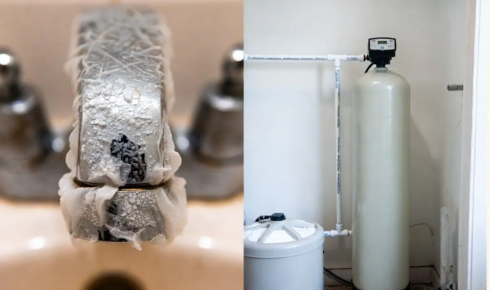
Most homeowners don’t wake up one morning and suddenly decide to care about water quality. It usually happens little by little. A cloudy glass here. A rough towel there. White marks around the faucet that keep coming back even after cleaning. Then the dishwasher starts leaving spots, the shower door looks dull, and soap somehow feels like it’s not doing its job.
That’s the strange thing about water problems. They often look small at first. Almost harmless. But over time, poor water quality can affect comfort, cleaning, plumbing, appliances, and even how much money gets spent on repairs or replacements. It’s not always dramatic, but it is persistent.
What Hard Water Really Does
The term hard water simply means water that contains higher levels of minerals, mostly calcium and magnesium. These minerals are naturally picked up as water moves through rock and soil. In many areas, hard water is common, and for years people just accepted it as part of daily life.
But common doesn’t always mean convenient. Hard water can make soap less effective, leave residue on skin and hair, and create buildup inside pipes and appliances. It can also make simple chores feel more frustrating than they should. You clean the sink, and two days later, the same chalky marks are back. You wash the towels, but they never feel quite soft. It’s a cycle many families know too well.
Related storyThe Hidden Water Problem That Slowly Wears Down a Home
The Hidden Cost of Mineral Buildup
One of the biggest problems with hard water is what happens behind the scenes. Mineral deposits don’t only sit on faucets and showerheads. They can also collect inside water heaters, dishwashers, washing machines, coffee makers, and plumbing lines.
Over time, that buildup can reduce efficiency. A water heater, for example, may need to work harder when mineral deposits collect inside the tank. Appliances may wear out sooner. Water pressure can change. Cleaning products may need to be used more often because they don’t perform as well in mineral-heavy water.
This is where scale becomes more than a cosmetic issue. It is the crusty, stubborn residue that hard water leaves behind, and it can quietly shorten the life of expensive equipment if ignored for too long.
Why the Right Softener Matters
Not every home needs the same solution. A small household with moderately hard water may need a different setup than a large family dealing with heavy mineral levels and high daily usage. That’s why proper testing matters before choosing equipment.
Related storyWhen Water Problems Start Showing Up Around the House: Understanding the Signs and Finding Solutions
Homeowners searching for water softeners that work should look beyond basic promises and focus on proper sizing, reliable installation, and a system matched to their actual water conditions. A softener that is too small may struggle to keep up. One that is poorly installed may cause frustration later. The best results usually come from testing first, then choosing a system that fits the home instead of guessing.
Better Water Changes Daily Routines
Softened water can make a noticeable difference in everyday life. Soap lathers more easily. Shampoo rinses better. Laundry may feel softer. Dishes and glasses may come out clearer. Fixtures can stay cleaner for longer, which is a relief for anyone tired of scrubbing the same spots again and again.
It’s not about turning a home into a luxury spa, though that would be nice. It’s about removing small irritations from daily routines. Better water simply makes ordinary things work better.
Protecting Appliances and Plumbing
A good water softening system can also help protect the home’s plumbing and appliances. When hardness minerals are reduced before they travel through the house, there is less mineral buildup inside equipment that uses water every day.
Related storyHow Modern Water Softeners Make Hard Water Easier to Manage
Think about how many appliances depend on water: the washing machine, dishwasher, water heater, refrigerator line, coffee maker, and sometimes even humidifiers. When water quality improves, these appliances may operate more efficiently and may require less cleaning or maintenance over time.
That doesn’t mean a softener solves every water issue. It won’t remove every contaminant, and it may need to be paired with filtration depending on the water test results. But for hardness problems, it can be one of the most practical upgrades a homeowner can make.
Maintenance Should Be Simple
Water softeners do need care, but it doesn’t have to be complicated. Salt levels should be checked, settings should be reviewed, and the system should be serviced when needed. Newer models may make this easier with alerts, usage tracking, or more efficient regeneration cycles.
Related storyChoosing the Right Water Treatment Installation Approach for Cleaner, Healthier Water at Home
The important thing is consistency. Like changing filters or servicing an HVAC system, small maintenance steps help the system continue doing its job properly.
A Quiet Upgrade That Pays Off
Hard water is easy to ignore because it usually doesn’t feel urgent. But the longer it goes untreated, the more it can affect cleaning, comfort, and equipment. A properly chosen softener can make the home feel easier to manage, even in ways that seem small at first.
Clearer dishes. Softer laundry. Less buildup. Better showers. Fewer frustrating cleaning battles. These things may not sound dramatic, but they improve daily life in a steady, useful way.
Related storyA Smarter Environmental Choice for Water Treatment Starts With Managing Hard Water
In the end, good water treatment isn’t about chasing perfection. It’s about making the home work better, protecting what you already own, and enjoying water that feels cleaner, softer, and easier to live with.