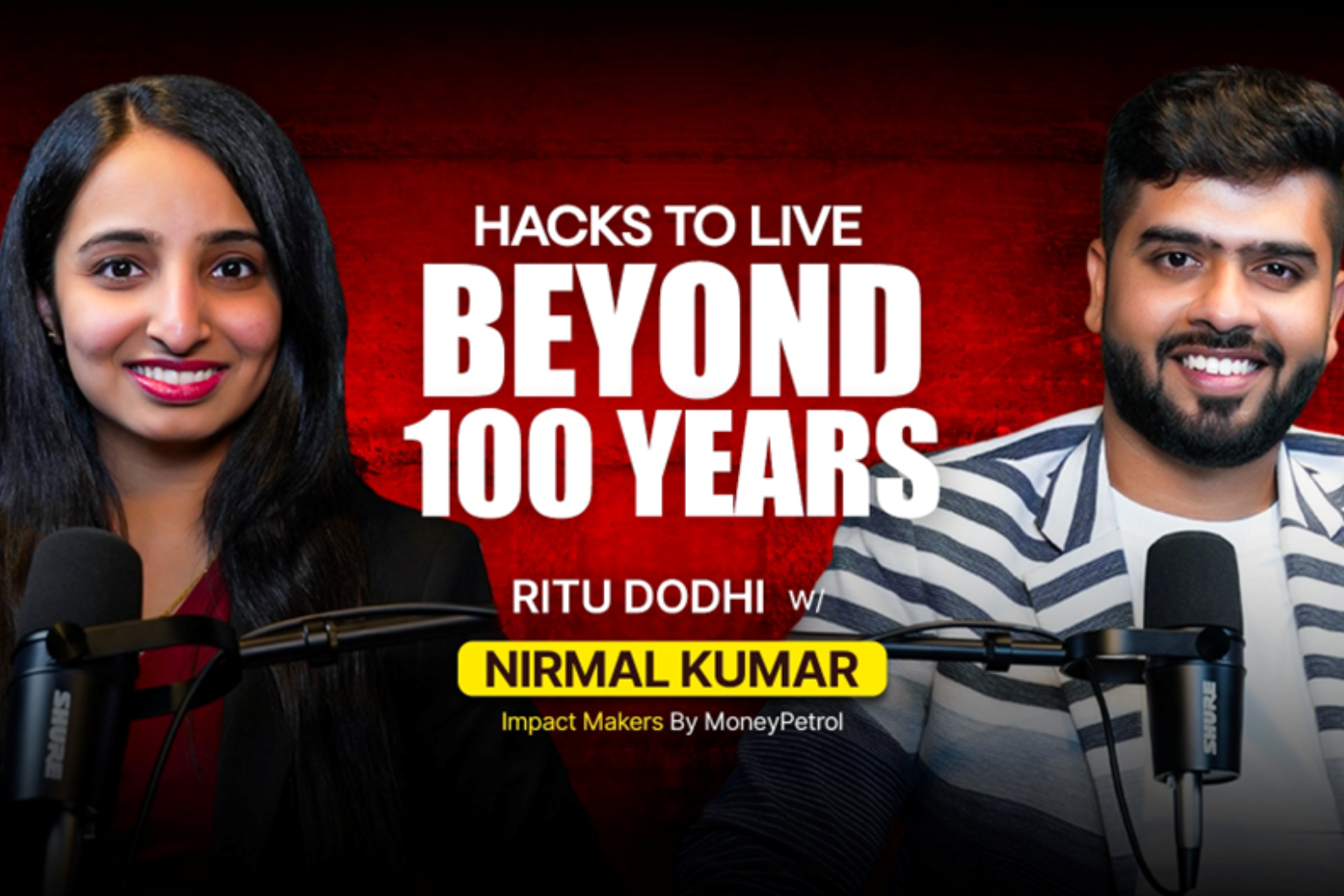
The Nirmal Kumar Podcast has opened up meaningful conversations around health, mindfulness, and the evolving definition of wellness in today’s fast-moving world. Over the last decade, wellness has transformed from a niche lifestyle concept into one of the most influential global industries. From fitness and nutrition to mental health and holistic living, people across the world are investing more time and money into improving their overall well-being.
What was once considered a luxury has now become a necessity. Modern lifestyles, workplace stress, digital overload, and rising health awareness have all contributed to the remarkable growth of the wellness economy. As the industry expands toward a staggering value of $6.8 trillion globally, experts like Nirmal Kumar continue to explore the deeper reasons behind this shift and why wellness is now shaping the future of business, culture, and everyday life.
The Evolution of Wellness in Modern Society
Wellness was traditionally associated with physical fitness, healthy eating, and occasional self-care activities. However, the modern definition has become much broader and more sophisticated. Today, wellness includes mental health, emotional balance, sleep quality, mindfulness, stress management, preventive healthcare, and even financial well-being.
This transformation reflects a major cultural shift. People are no longer waiting to address health issues after problems appear. Instead, they are adopting proactive approaches that focus on prevention and long-term quality of life. Consumers are increasingly seeking products, services, and experiences that help them feel healthier, calmer, and more connected.
Related storyTaking a Pause: Why the Gap Year Conversation in India Feels Different Now
Nirmal Kumar often emphasizes that wellness is no longer about temporary trends. It has become deeply integrated into how people approach work, relationships, productivity, and personal fulfillment. This broader perspective explains why industries such as technology, hospitality, healthcare, and real estate are all incorporating wellness-focused strategies into their offerings.
Stress and Burnout Have Changed Consumer Priorities
One of the biggest drivers behind the wellness boom is the growing global awareness of stress and burnout. Modern work culture has created environments where people are constantly connected, mentally overstimulated, and emotionally exhausted. Long working hours, social media pressure, and fast-paced lifestyles have increased anxiety levels across all age groups.
As a result, consumers are prioritizing activities and services that improve mental clarity and emotional balance. Meditation apps, wellness retreats, therapy platforms, fitness programs, and holistic healing services have experienced enormous growth in recent years.
Nirmal Kumar explains that people are beginning to understand the true cost of neglecting their well-being. Productivity and success lose meaning when physical and mental health are compromised. This realization has encouraged millions of individuals to invest in healthier routines and wellness-centered lifestyles.
Related storyWhy Doing “A Bit of Everything” Might Be the Smartest Career Move for Students
Technology Has Expanded Access to Wellness
Technology has played a major role in accelerating the growth of the wellness industry. Digital platforms now make wellness services more accessible than ever before. Fitness coaching, guided meditation, mental health support, sleep tracking, and nutrition planning are all available through mobile applications and online communities.
The convenience of digital wellness solutions has allowed people to integrate healthy habits into their daily routines more easily. Wearable devices help individuals monitor physical activity, heart rate, and sleep quality, creating greater awareness around personal health.
Nirmal Kumar highlights that technology has also helped remove the stigma surrounding mental health conversations. Online resources, podcasts, and wellness communities encourage open discussions about stress, emotional well-being, and personal growth. This accessibility has made wellness more inclusive and mainstream across different age groups and cultures.
Related storyWhen Originality Gets a Second Look: AI Plagiarism Tools in Today’s Classrooms
Wellness Has Become a Lifestyle Rather Than a Trend
Unlike short-term lifestyle trends, wellness continues to grow because it addresses fundamental human needs. People are searching for balance, energy, focus, and emotional stability in increasingly demanding environments. Wellness solutions provide practical ways to improve daily life rather than offering temporary escapes.
The hospitality and real estate industries have quickly recognized this shift. Modern hotels, residential developments, and workplaces are incorporating wellness-focused features such as fitness spaces, natural lighting, meditation zones, and green environments. Consumers now associate wellness-oriented spaces with higher quality living experiences.
Nirmal Kumar believes this evolution reflects a deeper societal change. People are redefining success by placing greater importance on health, happiness, and personal fulfillment instead of focusing solely on financial achievement. This mindset is influencing purchasing decisions, lifestyle choices, and even career priorities.
The Business of Wellness Is Expanding Globally
The wellness economy now extends across multiple sectors including beauty, fitness, nutrition, preventive healthcare, tourism, mindfulness, and sustainable living. Businesses that align themselves with wellness values are experiencing significant consumer engagement because people increasingly seek brands that support healthier lifestyles.
Companies are also recognizing that employee wellness directly affects productivity, creativity, and retention. Corporate wellness programs, flexible work arrangements, and mental health support initiatives have become more common in organizations around the world.
Nirmal Kumar frequently discusses how wellness has evolved into both a cultural movement and a major economic force. Investors, entrepreneurs, and global brands are paying close attention to this space because consumer demand continues to rise steadily. Wellness is influencing industries far beyond healthcare and fitness, making it one of the most dynamic markets of the modern era.
Social Awareness and Wellness Culture
Social media has contributed significantly to the visibility of wellness culture. While digital platforms sometimes create unrealistic standards, they have also increased awareness about healthy living, mindfulness, and self-care practices. Influencers, experts, and wellness advocates now reach global audiences instantly through podcasts, videos, and online communities.
This increased exposure has encouraged people to explore new approaches to health and personal growth. Conversations around mental health, work-life balance, nutrition, and mindfulness are becoming more normalized and accepted.
Nirmal Kumar points out that people are becoming more intentional about how they live and spend their time. Wellness is no longer viewed as an occasional indulgence but as an essential part of maintaining long-term happiness and resilience.
A Future Defined by Health and Balance
As the global wellness industry continues to expand, its influence on society is expected to become even more significant. Future generations are likely to prioritize preventive health, emotional intelligence, and sustainable living more than ever before. Businesses, communities, and individuals who embrace this shift will be better positioned to thrive in a rapidly changing world.
Nirmal Kumar continues to explore these evolving conversations by emphasizing the importance of balance, mindfulness, and human-centered growth. The rising popularity of thoughtful wellness discussions across digital platforms, including many influential Dubai podcasts, reflects a growing global desire for healthier, more meaningful lifestyles that extend beyond traditional ideas of success.