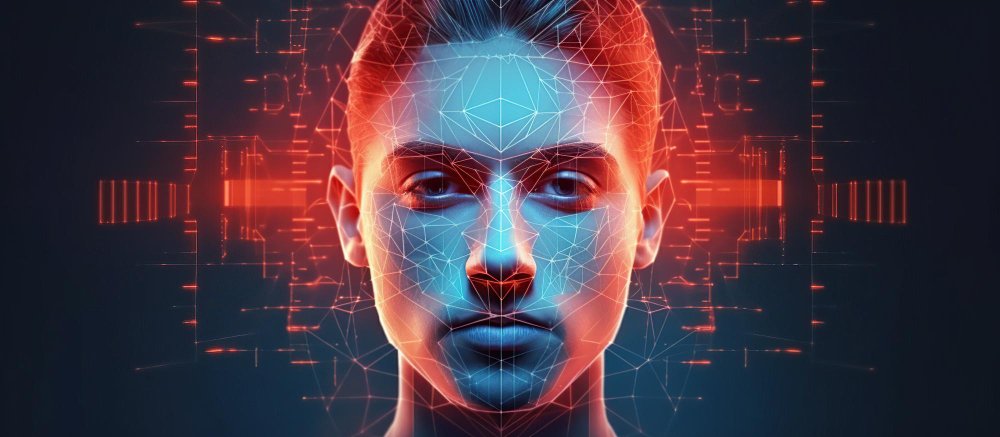
There’s something unsettling about watching a video and not being entirely sure if it’s real. Not in a philosophical way—but in a very practical, almost uncomfortable sense. You see a familiar face, hear a convincing voice, and yet… something feels off. That’s the strange territory deepfakes have pushed us into.
In India, where digital adoption has exploded over the last decade, this challenge feels especially urgent. Cheap data, widespread smartphone use, and a vibrant social media culture have made content travel fast—sometimes faster than truth itself. And deepfakes, unfortunately, thrive in that environment.
What Exactly Makes Deepfakes So Dangerous?
At first glance, deepfakes can look like just another tech gimmick—fun filters, face swaps, maybe a few viral clips. But the real concern lies deeper.
Related storyThe Fine Print You Can’t Afford to Skip: A Freelancer’s Guide to Contracts That Actually Protect You
Imagine a fabricated video of a public figure making controversial statements. Or worse, a manipulated clip targeting a private individual. The damage—reputational, emotional, even financial—can happen within hours.
In a country like India, where misinformation can quickly escalate into real-world consequences, the stakes are high. And that’s why the conversation around regulation has picked up pace recently.
India’s Legal System Playing Catch-Up
Let’s be honest—laws usually lag behind technology. It’s not unique to India; it happens everywhere. But with deepfakes, the gap feels wider.
Related storyBetween the Lines: What Really Matters in Influencer Contracts Today
Currently, there isn’t a single, standalone law in India that specifically addresses deepfakes. Instead, authorities rely on a patchwork of existing regulations—sections of the IT Act, provisions under the IPC, and guidelines from the Ministry of Electronics and Information Technology.
It works… to an extent. But as the technology becomes more sophisticated, the cracks in this approach are becoming visible.
Platforms Under Pressure
Social media companies are increasingly being pulled into the spotlight. They’re not just platforms anymore—they’re gatekeepers.
The Indian government has already introduced stricter intermediary guidelines, asking platforms to act quickly on harmful or misleading content. Deepfakes fall squarely into that category.
But here’s the tricky part: detecting a deepfake isn’t always straightforward. Even advanced AI systems can struggle. So the responsibility isn’t just legal—it’s technical, ethical, and operational all at once.
The Human Cost Often Gets Overlooked
It’s easy to focus on policy and technology, but at the heart of this issue are real people.
There have been cases—globally and in India—where individuals, particularly women, have been targeted with manipulated videos. The psychological impact can be devastating. And legal recourse, while available, often feels slow and inadequate.
This is where the conversation shifts from “tech problem” to “societal issue.” Because deepfakes aren’t just about fake content—they’re about trust, dignity, and safety.
The Bigger Question Everyone Is Asking
At some point, it becomes unavoidable to ask: Deepfake laws India me kaise evolve ho rahe hain digital safety ke liye?
The answer isn’t simple, but there are clear signs of movement.
Regulators are actively exploring more targeted legislation. There’s growing discussion around defining deepfakes legally, setting clearer accountability standards, and imposing stricter penalties for misuse. At the same time, there’s an emphasis on collaboration—between government bodies, tech companies, and cybersecurity experts.
It’s not a finished framework yet. More like a work in progress, shaped by trial, error, and urgency.
Technology Fighting Technology
Interestingly, the same AI that powers deepfakes is also being used to detect them.
Researchers and startups in India are working on tools that can identify inconsistencies—subtle facial movements, unnatural blinking patterns, audio mismatches. It’s a bit like an arms race, where each advancement on one side pushes innovation on the other.
But relying solely on technology isn’t enough. Awareness plays a huge role. People need to question what they see, verify sources, and resist the urge to share content blindly.
Where Do We Go From Here?
If you step back, the deepfake issue feels like part of a larger shift. We’re entering a phase where seeing is no longer believing—and that changes everything.
For India, the challenge is balancing innovation with regulation. You don’t want to stifle technological growth, but you also can’t ignore the risks.
Maybe the answer lies somewhere in between—a mix of smarter laws, responsible platforms, and a more informed public.
A Quiet Shift in Digital Trust
There’s a subtle change happening in how we consume content. People are becoming a bit more cautious, a little less trusting of what appears on their screens.
And that’s not necessarily a bad thing.
Because in a world where reality can be edited, awareness becomes our first line of defense. Laws will evolve, technology will improve—but ultimately, it’s human judgment that ties it all together.
Deepfakes might be here to stay. But so is our ability to adapt.