Nobody really expects the power to fail at the perfect time. It never happens when everything is quiet, simple, and easy to manage. It happens during a busy workday, in the middle of dinner service, while customers are waiting, when staff are using important equipment, or just as a storm starts making the windows rattle.
That is the frustrating thing about electrical disruptions. They arrive without asking permission.
For homes, power loss can be uncomfortable and inconvenient. For businesses, it can be much more serious. A few minutes without electricity may stop payment systems, security equipment, refrigeration, machinery, heating, cooling, communication networks, and lighting. Suddenly, a normal day turns into a problem-solving exercise.
This is why power continuity should not be treated as something to think about only after a failure. Good preparation makes a building safer, more reliable, and far easier to manage when things do not go according to plan.
Power Reliability Is More Than Convenience
Most people rely on electricity so naturally that they forget how many parts of daily life depend on it. Lights, internet, access control, tills, computers, medical devices, kitchen equipment, alarms, and heating systems all need steady power to work properly.
For businesses, even a short interruption can create a knock-on effect. Staff lose time. Customers get frustrated. Stock may be affected. Equipment may need restarting. Data could be interrupted. In some industries, downtime can become expensive very quickly.
Related storyWhy Reliable Water Systems Are Becoming a Smart Investment for Modern Businesses
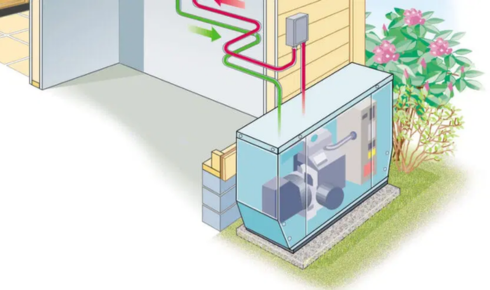
This is where backup generators become a practical part of electrical planning. They provide support when the main supply fails, helping essential systems continue running until normal power returns.
A generator does not have to power every single thing in a building. In many cases, the smarter approach is to decide which systems are most important — refrigeration, security, lighting, communication, medical equipment, servers, or critical machinery — and plan around those priorities.
Knowing What Needs to Stay On
Not every property has the same emergency power needs. A restaurant may care most about refrigeration and kitchen safety. A warehouse may need security systems, loading area lighting, and operational equipment. A small office may prioritise internet, computers, and access control. A healthcare space may need a much higher level of reliability.
That is why a proper assessment matters. It helps property owners understand what must keep working during an outage and what can safely wait. Without that thinking, emergency power planning can become either too weak or unnecessarily expensive.
Related storyUnderstanding Problem Water Systems: Practical Water Treatment Solutions for Everyday Water Problems
Good planning is not about panic. It is about sensible preparation.
Safety Lighting Can Make All the Difference
When power fails, darkness can turn a familiar building into a confusing one. Hallways feel longer. Staircases become harder to use. Exit routes are not always obvious, especially for visitors or customers who do not know the layout well.
Proper emergency lighting helps people move safely through a building when normal lighting stops working. It supports exits, stairwells, corridors, public areas, and other key routes where visibility matters most.
This is especially important in commercial buildings, schools, apartment blocks, warehouses, healthcare spaces, hospitality venues, and retail environments. During an emergency, people need clear routes and calm guidance. Lighting may seem like a small detail during normal hours, but it becomes essential when the unexpected happens.
Regular Testing Should Not Be Skipped
Emergency systems are only useful if they work when needed. That sounds obvious, but it is surprisingly easy for building owners to install equipment and then forget about it.
Related storyLooking Beyond the Basics: Why Deeper Water Testing Can Make a Real Difference
Generators need servicing. Batteries need checking. Emergency lights need testing. Transfer switches, alarms, panels, and connected systems all need proper maintenance. Dust, age, weather, wear, and lack of use can all affect performance.
A system that worked perfectly five years ago may not be ready today unless it has been cared for properly. Regular inspections help catch small issues before they become serious failures.
This is one of those areas where routine attention saves stress later. It may not feel exciting, but it matters.
Related storyWhy Protecting Your Well Water System Matters More Than You Think
Why Outages Are Becoming Harder to Ignore
Weather events, ageing infrastructure, overloaded grids, and local faults can all interrupt supply. Some outages last only a few seconds. Others stretch for hours. Either way, properties that are not prepared feel the impact more sharply.
During power outages, the difference between a prepared building and an unprepared one becomes very clear. One has key systems still running, safe exit routes, and a plan. The other has confusion, downtime, and people wondering what to do next.
That difference is not luck. It comes from decisions made earlier, often when everything seemed normal.
Businesses Need a Continuity Plan
For commercial properties, emergency power planning should be part of wider business continuity. What happens if the power fails during opening hours? Who checks the generator? Which systems stay active? How are customers guided? Is stock protected? Are doors, alarms, and cameras still working?
These questions are easier to answer before an emergency. Once the lights are out, calm planning becomes much harder.
A clear plan also helps staff respond confidently. People do not need to guess. They know what steps to follow, who to contact, and how to keep the situation under control.
Professional Installation Matters
Emergency electrical systems should be designed and installed by qualified professionals. This is not the kind of work where guesswork belongs. Load requirements, transfer equipment, safety codes, ventilation, fuel supply, wiring, and testing all need careful attention.
A good electrician or electrical contractor will look at the property as a whole. They will help decide what level of backup is needed, how systems should connect, and what maintenance schedule makes sense.
They can also explain options clearly, without making the process feel more complicated than it needs to be.
Prepared Buildings Feel More Secure
A strong backup plan does not stop every problem from happening. Storms still come. Equipment still ages. Utility faults still occur. But preparation reduces the damage these problems can cause.
When a building has dependable backup power, working safety lighting, and a clear response plan, everyone feels more secure. Staff can keep their focus. Customers can be guided safely. Owners can protect equipment, stock, and daily operations more effectively.
In the end, reliable emergency electrical planning is not about expecting the worst every day. It is about being ready enough that the worst does not become chaos.
And when the power does fail, that quiet preparation suddenly becomes one of the most valuable parts of the whole building.