There’s a certain kind of disappointment that comes with turning on the air conditioner and still feeling warm air drift through the vents. You stand there for a moment, hand in front of the register, waiting for that familiar cool rush. But it never really comes. Maybe the air is slightly cool, maybe not cool at all. Either way, something feels off.
Air conditioning problems can have many causes, but refrigerant trouble is one of the more common ones people hear about. It’s also one of the most misunderstood. Refrigerant is not like fuel in a car. Your AC does not “use it up” during normal operation. If the level is low, something is usually wrong somewhere in the system.
What Refrigerant Actually Does
Refrigerant is the substance that helps your air conditioner move heat out of your home. It travels through coils and lines, absorbing indoor heat and releasing it outside. That process is what makes the air inside feel cooler and more comfortable.
When refrigerant levels are correct, the system can do its job smoothly. When they are low, cooling becomes weaker. The unit may run longer, rooms may feel humid, and energy bills can creep up without much warning. It’s one of those issues that quietly gets worse if left alone.
Why a Leak Should Not Be Ignored
A refrigerant leak can happen because of corrosion, worn joints, damaged coils, loose fittings, or vibration over time. Sometimes the leak is small and slow, which makes it easy to miss at first. The AC may still run, just not as well as before.
The problem is that topping off refrigerant without fixing the leak is only a temporary patch. It may help for a little while, but the system will lose refrigerant again. A proper repair includes finding the source, sealing or replacing the damaged part, and then charging the system to the correct level. Anything less is really just buying time.
Signs Your AC May Be Low on Refrigerant
Low refrigerant does not always announce itself dramatically. More often, the signs show up gradually. You may notice warm air from the vents, longer cooling cycles, ice forming on the evaporator coil, or a hissing sound near refrigerant lines. Sometimes the home simply feels sticky because the AC is not removing humidity properly.
Related storyWhen Water Problems Start Showing Up Around the House: Understanding the Signs and Finding Solutions
Another clue is rising energy use. If the air conditioner has to run longer to reach the same temperature, it works harder and costs more to operate. That extra strain can also affect other parts of the system, especially the compressor.
Understanding AC Refrigerant Loss
Many homeowners assume AC refrigerant loss is normal after a few years, but that’s not really how a sealed cooling system is supposed to work. Refrigerant should stay inside the system unless there is a leak or damage. So when levels drop, the cause needs to be investigated.
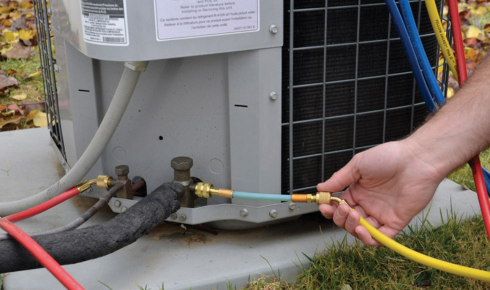
This is where professional diagnosis matters. A technician can use pressure readings, leak detection tools, and system testing to find what is happening. Guessing is not enough, especially because low refrigerant symptoms can sometimes look similar to airflow or coil problems.
Why DIY Refrigerant Repairs Are Risky
It may be tempting to try quick fixes, especially when online videos make everything look simple. But AC refrigerant work is not a casual weekend job. Refrigerant handling requires proper tools, safety knowledge, and often certification depending on local rules.
Related storyUnderstanding Problem Water Systems: Practical Water Treatment Solutions for Everyday Water Problems
Adding too much refrigerant can be just as damaging as having too little. The system needs an exact charge based on manufacturer specifications. Overcharging can raise pressure, reduce efficiency, and put the compressor at risk. That compressor is one of the most expensive parts of the AC, so protecting it matters.
Other Problems Can Look Similar
Not every cooling issue points directly to refrigerant. Dirty filters, blocked vents, frozen coils, clogged drain lines, bad thermostats, electrical failures, or worn blower motors can also affect comfort. This is why a full inspection is better than focusing on one possible cause.
Some HVAC system issues overlap in their symptoms. Weak airflow, poor cooling, strange noises, and short cycling can come from different sources. A trained technician can look at the entire system instead of treating one symptom and hoping the rest sorts itself out.
Maintenance Helps Catch Trouble Early
Regular AC maintenance is one of the simplest ways to prevent small problems from growing into expensive repairs. During a tune-up, a technician can check refrigerant pressure, inspect coils, clean key components, test airflow, and look for early signs of leaks or wear.
Related storyUnderstanding Well & Groundwater Systems: Parts, Pressure, and Reliable Water Flow
Homeowners can help too. Change air filters regularly, keep outdoor units clear of leaves and debris, and pay attention to changes in cooling performance. If your AC suddenly takes longer to cool the house or never quite reaches the set temperature, don’t ignore it for weeks.
A Cooler Home Starts With the Right Fix
Refrigerant problems are not something to panic over, but they do deserve proper attention. The important thing is to find the cause, not just mask the symptom. A system that is leaking refrigerant will keep struggling until the leak is repaired.
When your AC is working correctly, you barely notice it. The air feels clean, cool, and steady. The house becomes comfortable again, and summer feels a little less heavy. That’s the whole point, really — not just cold air, but dependable comfort when you need it most.
Related storyWhy More Homeowners Are Choosing Reverse Osmosis for Better-Tasting Water