Water treatment is often discussed in terms of cleaner drinking water, better-tasting coffee, or fewer spots on the bathroom faucet. Those benefits matter, of course. But there’s another part of the conversation that deserves more attention: how we treat water while also being mindful of what our treatment systems leave behind.
For households dealing with hard water, the challenge is particularly noticeable. Mineral buildup can affect plumbing, appliances, fixtures, and cleaning routines. The obvious response is to find a way to control the hardness. The less obvious question is whether the treatment method is a sensible long-term choice for the home and the environment.
That’s where thoughtful water treatment comes in. Instead of choosing equipment simply because it promises “soft water,” homeowners can look at efficiency, maintenance, water use, and the actual chemistry of their supply.
Related storyHow Modern Water Softeners Make Hard Water Easier to Manage
Why Hard Water Becomes a Household Problem
Hard water contains dissolved minerals, mainly calcium and magnesium. These minerals aren’t usually visible when the water comes out of the tap, but their effects become obvious over time.
You might see white deposits around faucets, cloudy marks on shower glass, or crusty buildup inside appliances. Soap may not lather as easily, and laundry can sometimes feel less soft after washing.
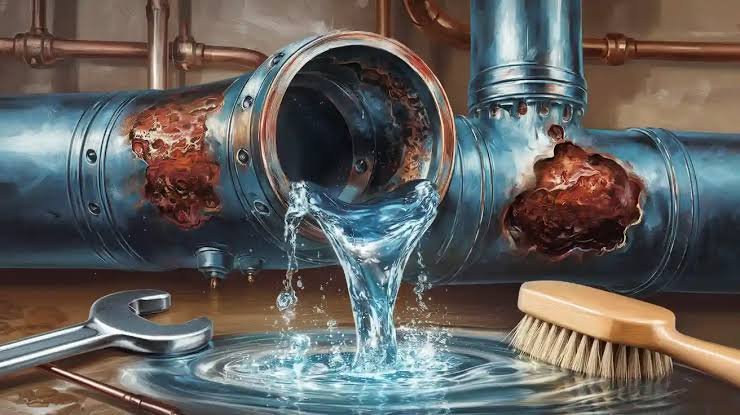
Then there’s the equipment side of things. Water heaters, dishwashers, washing machines, coffee makers, and plumbing can all experience mineral scale. A little buildup may seem harmless, but years of accumulation can become a costly nuisance.
Related storyHow to Stop Hard Water From Taking Over Your Home
This is why scale management isn’t just about making the bathroom look cleaner. It’s also about protecting the systems that use water every day.
Looking Beyond Traditional Water Treatment
Traditional treatment methods can be effective, but homeowners are increasingly interested in their overall environmental footprint.
Water treatment can involve salt, electricity, replacement filters, regeneration cycles, wastewater, or disposable components. None of these automatically makes a system bad. The important thing is understanding how a particular technology works and whether its resource requirements make sense for your household.
Related storyHard Water Isn’t Just Annoying — It Slowly Wears a Home Down
An environmental choice for water treatment should ideally balance performance with responsible resource use. That means considering how much water the system consumes, what materials it uses, how often components need replacing, and whether it addresses the actual water problem without unnecessary treatment.
It’s a bit like choosing an efficient car. You don’t just look at whether it gets you from one place to another. You also think about fuel consumption, maintenance, longevity, and what ownership looks like over several years.
Whole-Home Filtration Has a Different Job
Hardness isn’t the only water-quality concern homeowners face. Sediment, chlorine, unpleasant odors, and certain other contaminants can affect water throughout a property.
A properly selected whole home water filtration system can address specific water-quality issues at multiple points of use. Instead of relying on individual faucet filters, treatment takes place for water entering the home or being distributed throughout the building.
However, filtration and softening aren’t interchangeable. A carbon filter, for instance, can be useful for chlorine reduction but isn’t necessarily designed to remove hardness minerals. Matching the technology to the problem is crucial.
Related storyThe Hidden Water Problem That Slowly Wears Down a Home
That sounds obvious, but it’s an easy detail to overlook when shopping for water equipment.
Finding a Better Scale Management Solution
When hard water is the main concern, homeowners need to think about scale rather than simply chasing the word “soft.”
Water softening traditionally refers to ion-exchange systems that reduce calcium and magnesium from the water. These systems can be highly effective at preventing traditional hard-water scale, but they require salt and periodic regeneration.
For households concerned about salt use or wastewater, other approaches to scale control may be worth investigating. Certain technologies are designed to alter how minerals behave so they are less likely to form stubborn deposits on plumbing and appliances.
Related storyUnderstanding Problem Water Systems: Practical Water Treatment Solutions for Everyday Water Problems
These systems don’t necessarily make hard water chemically soft, and that’s an important distinction. Their purpose is scale management, not the complete removal of hardness minerals.
The best option depends on the home’s water chemistry, plumbing, appliance needs, and priorities.
Why Water Efficiency Matters
Water is a resource that shouldn’t be treated as unlimited. Treatment systems can differ significantly in how much water they consume during operation and maintenance.
Some technologies require periodic regeneration or produce wastewater as part of their normal process. Others may operate with little or no water waste.
If reducing household water consumption is a priority, this should be part of the purchasing conversation from the beginning. A system that performs well but uses more water than necessary may not align with a homeowner’s environmental goals.
It doesn’t mean one technology is automatically “green” and another isn’t. Real-world efficiency depends on system design, water quality, household usage, and maintenance.
Reverse Osmosis: Powerful, but Best Used Selectively
Reverse osmosis is another popular water-treatment technology, especially for drinking water. It uses a semipermeable membrane to reduce many dissolved substances and is often installed under the kitchen sink.
RO can provide excellent drinking water, particularly when testing shows that specific dissolved contaminants need to be reduced. But it can also produce reject water, meaning it isn’t always the most practical approach for treating every gallon used in a home.
Using RO at the point where high-quality drinking water is needed can sometimes be more sensible than treating the entire household supply with the same technology.
Again, the key is matching the treatment method to the application.
Maintenance Is Part of Sustainability
A water-treatment system doesn’t become environmentally responsible simply because it was marketed that way.
Maintenance matters. Filters that aren’t replaced on schedule can lose effectiveness. Poorly maintained equipment may operate inefficiently. Components eventually need to be disposed of or replaced.
A durable system that receives regular maintenance may provide better long-term value than a cheaper system requiring frequent replacement.
Homeowners should ask practical questions before buying: How often does it need service? Does it use salt? Does it produce wastewater? What parts need replacement? How long are those components expected to last?
Those aren’t glamorous questions, but they can make a real difference.
Start With Water Testing
Perhaps the most environmentally sensible decision is also the simplest: don’t treat what you don’t need to treat.
A professional water analysis can identify hardness, chlorine, sediment, iron, manganese, and other characteristics. Once you know what’s actually present, you can choose a system based on evidence rather than marketing promises.
For one household, traditional softening may be the best answer. Another may benefit from a salt-free scale-management system. Someone else may need filtration plus a point-of-use RO system.
There isn’t a single solution that fits every home.
Better Water Without Unnecessary Waste
Managing hard water doesn’t have to mean choosing between performance and environmental responsibility. With careful testing and thoughtful system selection, homeowners can reduce scale, protect appliances, improve water quality, and pay closer attention to resource consumption at the same time.
The smartest approach is rarely the most complicated one. It’s the one that solves the actual problem with the least unnecessary waste.
In the end, good water treatment should make life easier without creating another problem somewhere down the line. That’s a pretty reasonable standard—and one worth keeping in mind before turning on the tap.