Water is one of those things most of us rarely think about until it starts causing trouble. You turn on the faucet expecting clean, refreshing water, but instead you notice a strange smell, rusty stains on the sink, or maybe your coffee just doesn’t taste right anymore. It happens more often than people realize, and the causes aren’t always obvious.
Every home has its own unique water story. A family using well water in the countryside faces different challenges than someone connected to a city supply. That’s why there isn’t a universal answer to improving water quality. The first step is understanding what’s actually happening with your water before jumping into expensive fixes.
Why Water Quality Can Change Over Time
Many homeowners assume that once a plumbing system is installed, the water quality should stay the same forever. In reality, water changes constantly. Seasonal rainfall, aging pipes, local infrastructure updates, and even shifts in groundwater conditions can all affect what comes out of your tap.
Related storyChoosing the Right Water Treatment Installation Approach for Cleaner, Healthier Water at Home
For example, a home may have crystal-clear water for years before suddenly developing a metallic taste. In another neighborhood, residents might notice cloudy water after heavy storms. These changes don’t necessarily indicate a major emergency, but they do deserve attention.
Learning to recognize these early warning signs can save both money and frustration down the road.
Recognizing the Signs of problem water systems
Not every issue is dramatic. Sometimes the clues are subtle and easy to overlook. Soap doesn’t lather well anymore. White spots begin appearing on dishes. Laundry feels stiff after washing. Your water heater seems to work harder than it used to.
Related storyHow to Stop Hard Water From Taking Over Your Home
These everyday annoyances often point toward problem water systems that need closer inspection. Hard water minerals, sediment buildup, iron, manganese, sulfur, and chlorine are just a few of the common culprits.
The important thing is not to assume. A simple water analysis can reveal exactly what’s present, allowing homeowners to make informed decisions instead of guessing.
Common Water Problems That Affect Homes
Different water sources create different challenges, but several issues appear repeatedly across residential properties.
Hard water is probably the most familiar. Calcium and magnesium minerals leave scale inside pipes, reduce appliance efficiency, and shorten the lifespan of water heaters.
Related storyWhy More Homeowners Are Choosing Reverse Osmosis for Better-Tasting Water
Iron contamination creates reddish-brown stains on sinks, toilets, and clothing. Sulfur often produces that unmistakable rotten egg odor. Sediment can make water appear cloudy while also clogging plumbing fixtures over time.
Meanwhile, municipal supplies may contain chlorine used during treatment. Although it’s effective for disinfection, some people dislike its taste or smell.
Understanding these water problems helps homeowners identify which treatment methods actually solve the issue rather than masking it temporarily.
Choosing Water Treatment Solutions That Actually Work
It’s tempting to buy the first filter you see online and hope for the best. Unfortunately, water treatment isn’t one-size-fits-all.
Related storyUnderstanding Household Water Problems and Why the Right Solution Matters
The most effective water treatment solutions begin with testing. Once the exact contaminants are identified, selecting the right equipment becomes much easier.
Water softeners remove hardness minerals that cause scaling.
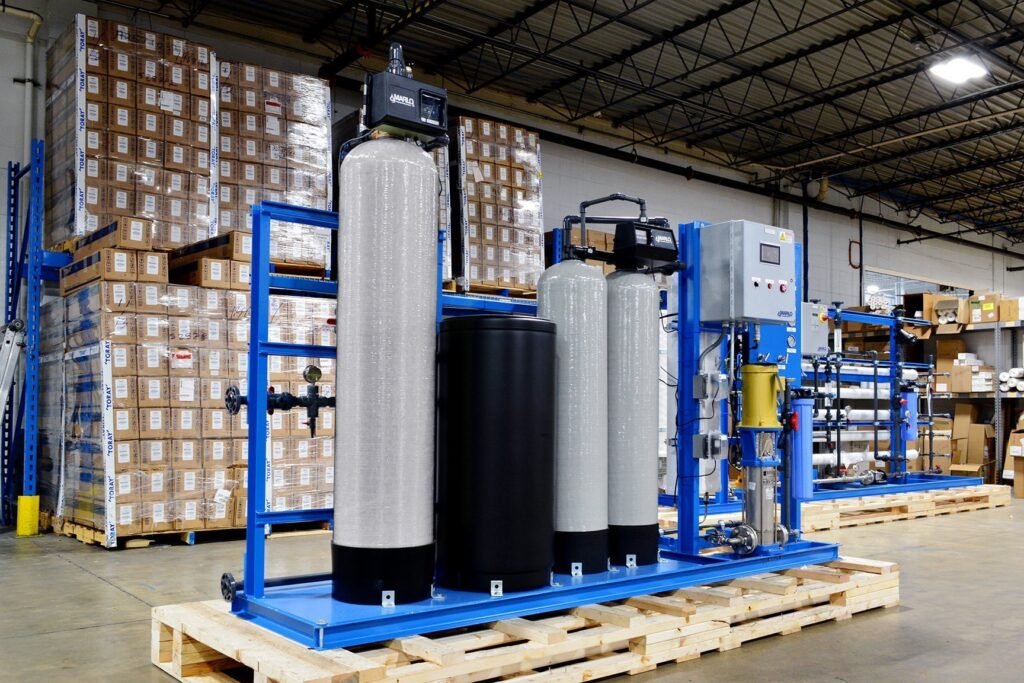
Reverse osmosis systems reduce dissolved solids, certain heavy metals, and other contaminants while improving drinking water taste.
Carbon filtration helps minimize chlorine, unpleasant odors, and various organic compounds.
Iron filters target dissolved iron before it stains plumbing fixtures, while UV systems provide an additional layer of protection against certain microorganisms without introducing chemicals.
Related storyWhy Better Water Makes Everyday Life Feel Easier
Combining technologies often produces the best long-term results because water quality issues rarely occur in isolation.
Why Regular Maintenance Matters
Even the highest-quality filtration system can’t perform well forever without attention.
Filters become saturated. Water softeners require proper regeneration. UV bulbs eventually lose effectiveness even if they continue glowing. Sediment cartridges slowly clog until water pressure begins dropping.
Think of a water treatment system the same way you’d think about maintaining your vehicle. Routine servicing keeps everything operating efficiently and prevents larger repairs later.
A neglected system may still appear functional while quietly delivering lower-quality water than expected.
The Benefits Go Beyond Drinking Water
Most conversations about water quality focus on drinking, but that’s only part of the picture.
Cleaner water protects appliances by reducing scale buildup inside washing machines, dishwashers, and water heaters. Plumbing fixtures remain cleaner with less scrubbing required. Clothing often lasts longer because minerals don’t become trapped within fabric fibers.
Many people also notice softer skin and smoother hair after addressing hard water issues. While these improvements might seem small individually, together they make daily life noticeably more comfortable.
It’s one of those home upgrades that quietly improves dozens of routines without demanding much attention afterward.
Avoiding Costly Mistakes
One mistake homeowners often make is treating symptoms instead of identifying causes.
Installing a drinking water filter won’t solve hard water throughout the house. Likewise, replacing plumbing fixtures won’t stop staining if iron remains in the water supply.
Professional water testing provides valuable information before investing in equipment. Even two neighboring homes can require completely different treatment systems because underground water conditions vary surprisingly quickly.
Spending a little time understanding your water usually prevents spending much more fixing the wrong problem later.
A Better Approach to Cleaner Water
Clean water isn’t really a luxury—it’s something every household depends on every single day. Whether you’re filling a glass, cooking dinner, washing clothes, or taking a shower, the quality of your water quietly shapes those everyday experiences.
Fortunately, improving water quality doesn’t have to feel overwhelming. Start with accurate testing, understand what’s affecting your home’s supply, and choose treatment options designed specifically for those conditions rather than generic solutions.
In the long run, the investment pays back through better-tasting water, healthier plumbing, improved appliance efficiency, and greater peace of mind. Sometimes the biggest improvements at home aren’t the ones everyone notices immediately—they’re the ones you experience every single day, one glass of clean water at a time.