Table of Contents
- Why table size matters
- How to measure the room
- Comparing 7-foot, 8-foot, and 9-foot tables
- Cue clearance and playing space
- Choosing a playing surface
- Creating a better room layout
- Budgeting for the complete project
- Preparing for delivery and setup
- Common mistakes to avoid
- A simple buying checklist
A pool table can turn a Rapid City basement, rec room, finished garage, or dedicated game room into a place where family and friends want to spend time. Before choosing a model, start with the room, not the table. Local shoppers comparing pool tables Rapid City SD, should think beyond appearance and make sure the table leaves enough room for comfortable, natural shots.
The best choice is not always the biggest table or the least expensive one. It is the table that suits the available floor space, the household’s playing style, the delivery route, and the full setup budget. Planning those details early can prevent a crowded room and a frustrating playing experience later.
Why Table Size Matters
A pool table needs to fit both the room and the people using it. The playing surface is only the area inside the cushions. The table’s outer rails create a larger footprint, and players also need open space around every side to stroke a cue without striking a wall, cabinet, lamp, or chair.
In a compact Black Hills home, a smaller table with proper cue clearance usually provides a better experience than a larger table squeezed into a tight room. Adequate space also helps maintain clear walkways, keeps spectators away from a player’s stance, and makes the room easier to use for multiple activities.
Related storyThumbs vs Keyboards: Where India’s Esports Growth Story Really Lies
Measure the Room Before Shopping
Measure at floor level, where the table will actually sit. Baseboards, support posts, built-in shelving, furniture, and door swings can all reduce usable space. If a basement wall slopes or a room has bulky trim, measure the narrowest practical area rather than relying on a broad wall-to-wall dimension.
- Measure the room’s length and width.
- Mark doors, windows, stairs, posts, vents, and built-ins.
- Confirm the outer dimensions of the specific table under consideration.
- Plan cue movement on all four sides.
- Use painter’s tape on the floor to outline the table footprint and walking paths.
Compare 7-Foot, 8-Foot, and 9-Foot Tables
Pool tables are commonly described by the approximate length of their playing area. The right size depends on the room’s dimensions and the types of games your household expects to play.
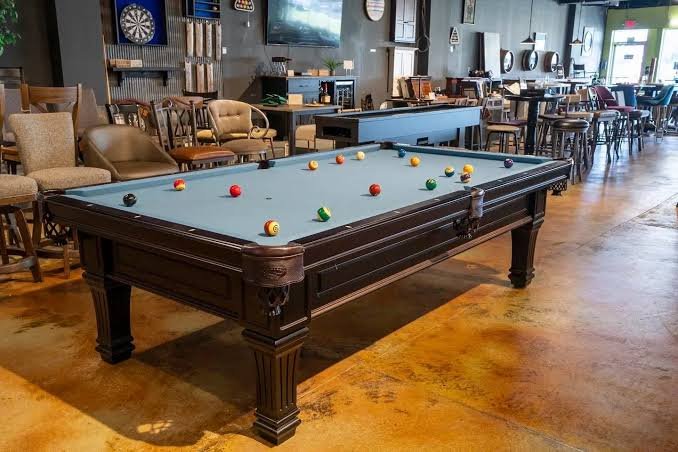
Photorealistic editorial studio shot of a polished green-felt pool table centered in a clean neutral room, with subtle floor markings showing recommended cue clearance around all four sides, soft controlled lighting, isolated composition, and a premium commercial feel.
Related storyWhy Game Subscription Services Haven’t Quite Taken Off in India—At Least Not Yet
- 7-foot tables: A practical option for smaller rooms, casual games, and family use. They can make sense in a multipurpose basement or recreation room when open cue space is limited.
- 8-foot tables: Often a strong middle ground for a dedicated home game room. They offer a larger playing area while remaining more manageable than a 9-foot table in many homes.
- 9-foot tables: Best suited to larger rooms and players who want a more demanding practice setup. They generally work best in rooms dedicated primarily to billiards.
If tournament-style dimensions matter to your decision, the World Pool Association maintains equipment specifications and rules that distinguish competition standards from those of ordinary home tables. For most Rapid City households, comfortable clearance and regular use matter more than exactly matching a tournament setup.
Plan for Cue Clearance
Cue clearance matters as much as the table footprint. A player needs room to stand behind the cue ball and complete a full stroke, including on shots close to a rail. Walls are not the only concern. A sectional sofa, bar stools, shelving, a television stand, and overhead fixtures can create the same problem.
A simple planning formula is: table dimensions plus cue space on both sides of each direction. Check the tightest areas first, especially near doors and corners. Shorter cues can help with an occasional obstructed shot, but they are a compromise rather than a complete substitute for adequate room around the table.
Choose a Playing Surface
The table’s construction affects its weight, setup, durability, and consistency of play. Slate tables are heavy and are widely valued for a stable, flat playing bed. Engineered-wood tables are generally lighter and easier to move, making them worth considering for casual use or in spaces with limited access.
Related storyWhen Worlds Build Themselves: The Quiet Rise of AI in Game Environments
Playing frequency should guide the decision. A household that expects frequent practice may prioritize long-term stability, while an occasional family game room may place more value on budget, mobility, or a convertible design. Basic descriptions of rails, cushions, cloth, and table construction are available in this overview of billiard tables.
Build a Better Room Layout
Do not place a pool table only where there appears to be open floor space. In a shared basement, leave a clear route from the stairs to storage, seating, and exits. Position chairs and sofas outside the cueing zone, and keep doors from opening directly into a player’s backswing.
Wall-mounted cue storage can keep equipment organized without using valuable floor space. Before installing a billiard light, confirm the ceiling height and placement so it illuminates the playing surface without interfering with a cue. If using an area rug, make sure it lies flat and does not create uneven footing around the table.
Account for the Full Cost
The table price is only part of the project. A realistic budget should include delivery, assembly, leveling, lighting, cues, balls, a rack, chalk, a brush, a cover, and any floor protection or room updates. Future expenses may include cloth replacement or cushion service.
Setting a complete budget before selecting table size helps prevent a common problem: spending heavily on the table itself while leaving too little for proper installation and accessories.
Prepare for Delivery and Setup
Before ordering, measure exterior doors, interior doorways, hallways, stairwells, landings, and tight corners. This step is especially important for heavy tables and downstairs game rooms. Confirm whether the seller includes professional assembly and leveling, then protect floors and walls along the delivery path.
Common Buying Mistakes to Avoid
- Buying the largest table that fits only on paper.
- Ignoring furniture, door swings, and walkways.
- Confusing the playing surface with the table’s overall dimensions.
- Assuming a short cue solves every clearance issue.
- Forgetting ceiling height, lighting, storage, or delivery access.
- Choosing solely by price and overlooking setup quality.
Simple Pool Table Buying Checklist
- Room length and width measured.
- Table’s outer dimensions confirmed.
- Cue clearance checked on every side.
- Furniture, doors, and fixed obstacles mapped.
- Ceiling and lighting plan reviewed.
- Playing surface selected for expected use.
- Delivery route measured.
- Accessories, assembly, and leveling are budgeted.
Frequently Asked Questions
What pool table size works best in most homes?
An 8-foot table is often a useful middle-ground choice, but room dimensions and cue clearance should decide the issue. A 7-foot table may be the better option when it creates a more open, comfortable room.
Can a pool table go in a basement?
Yes, provided the room has suitable clearance, a practical delivery route, a stable floor, adequate ceiling height, and conditions that support the table and its cloth.
Should a pool table be centered in the room?
Visual balance is helpful, but cue clearance, safe traffic flow, and access to doors should take priority over perfect centering.
Final Thoughts
The right pool table for a Rapid City home is the one that fits the room, supports relaxed play, and matches how the household will use it. Measure carefully, plan for the entire space rather than just the table, and leave enough room for every player to enjoy the game.