Office water is one of those small things people only talk about when it is bad. When it tastes clean, the cooler works, and everyone can refill a bottle without fuss, nobody says much. But when the bottle runs empty, the tap tastes sharp, or the break room is stacked with plastic cases, suddenly water becomes an office problem.
It sounds minor, but it affects the whole day. People use water for coffee, tea, lunch, medications, workouts, meetings, and the bottle they keep beside their keyboard. In a busy workplace, clean and reliable drinking water is not really a luxury. It is part of keeping the space comfortable, practical, and a little more human.
Why Old Office Water Habits Get Annoying
Traditional bottled coolers once seemed like the easiest answer. A company orders large jugs, someone delivers them, and staff drink from the cooler. Simple enough — until you count the storage space, delivery schedules, empty bottles, heavy lifting, missed replacements, and ongoing costs.
Related storyWhy Reliable Water Systems Are Becoming a Smart Investment for Modern Businesses
There is also the awkward moment when the bottle runs out and nobody wants to change it. In some offices, that job quietly becomes a game of avoidance. People shake the cooler, realise it is empty, and walk away hoping someone else deals with it.
That is one reason many workplaces are choosing bottleless water coolers. These systems connect directly to the building’s water line and filter water on demand, removing the need for delivered jugs altogether.
Better Water Makes Better Workdays
Good drinking water does not magically fix office stress, but it does support better daily habits. When water tastes fresh and is easy to access, people drink more of it. They refill reusable bottles. They make coffee without that unpleasant aftertaste. They stop relying so much on plastic bottles or sugary drinks.
That small shift matters. A workplace that provides convenient filtered drinking water is making hydration easier for everyone, from staff and clients to visitors sitting in the waiting area. It is a simple detail, but simple details often shape how people experience a space.
Nobody wants to think too hard about water during a busy day. They just want it to be there, taste good, and work.
Related storyWhy More Homeowners Are Choosing Reverse Osmosis for Better-Tasting Water
The Problem With Plastic and Storage
Bottled water creates more clutter than most offices expect. Cases stack up in cupboards. Empty bottles fill recycling bins. Large cooler bottles need floor space and regular handling. For small offices, that wasted space can be frustrating. For larger businesses, the volume can become ridiculous.
Then there is the environmental side. Reducing single-use plastic is no longer just a nice idea. Many businesses are actively looking for practical ways to cut waste without making life harder for staff. A bottleless cooler is one of those changes that feels easy because it improves convenience at the same time.
Less plastic. Fewer deliveries. No heavy bottles. Cleaner break room. That is a pretty sensible trade.
Related storyWhy More Homeowners Are Choosing Under-Sink Water Filtration for Everyday Peace of Mind
Choosing the Right Setup for the Workplace
Not every office needs the same system. A small team may only need one compact unit near the kitchen. A larger workplace may need multiple stations across different floors. A clinic, gym, school, showroom, or warehouse may have higher usage and different placement needs.
Good office water systems should be chosen based on staff size, visitor traffic, water quality, available plumbing, space, and the type of water people prefer. Some units provide cold and ambient water. Others include hot water for tea. Some workplaces may want touchless dispensing, sparkling water, or higher-capacity models for busy areas.
The right system should fit the daily rhythm of the place. If fifty people use one small cooler all day, it will not feel like an upgrade for long.
Filtration Should Match the Water
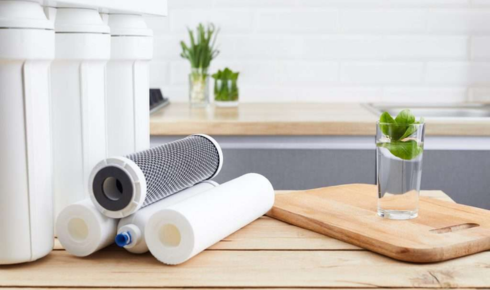
A good water cooler is only as effective as the filtration behind it. Municipal water may need help reducing chlorine taste and odour. Older buildings may have sediment concerns. Some locations may require more advanced treatment depending on test results.
Related storyUnderstanding Problem Water Systems: Practical Water Treatment Solutions for Everyday Water Problems
That is why a proper water check is useful before installation. It helps identify what the system needs to reduce and prevents guesswork. A basic filter may improve taste, but if there are other water quality concerns, a more complete setup may be better.
Fresh-tasting water starts with understanding what is coming from the tap.
Maintenance Keeps It Reliable
A bottleless cooler still needs care. Filters must be changed on schedule. The unit should be cleaned and checked regularly. Lines, connections, and dispensing points need attention so the system keeps producing water that tastes fresh and feels safe to use.
The difference is that maintenance can usually be planned. Instead of dealing with bottle deliveries and emergency restocking, the business can schedule service visits and keep everything running quietly in the background.
Related storyChoosing the Right Water Treatment Installation Approach for Cleaner, Healthier Water at Home
For office managers, that kind of predictability is helpful. One less thing to chase.
A Better Impression for Staff and Visitors
Water stations may seem ordinary, but people notice them. A clean, modern cooler in a reception area, meeting room, or staff kitchen says the business pays attention to comfort. It gives visitors an easy way to grab water and gives employees a reliable option during the day.
This matters in workplaces where clients, patients, customers, or guests spend time waiting. A fresh glass of water is a small gesture, but it feels welcoming.
And for employees, it is simply practical. Better water means fewer complaints, fewer bottles on desks, and a cleaner shared space.
A Simple Change That Keeps Paying Off
Upgrading workplace water does not have to be complicated. Start by looking at how many people use water daily, where the cooler should go, and what the current water tastes like. Then choose a system that matches the office rather than forcing a one-size-fits-all solution.
The best office water setup should be easy to use, properly filtered, simple to maintain, and reliable during busy hours. When it works well, people stop talking about water because there is nothing to complain about.
They fill a glass, make tea, refill a bottle, and get back to work. That is exactly how office water should be.