Water is easy to take for granted until it starts affecting the work. In a home, poor water might mean spotted glasses or a kettle that needs descaling every few weeks. Annoying, yes, but usually manageable. In a business, though, water quality can touch everything — production consistency, equipment performance, cleaning results, product taste, customer satisfaction, and even compliance in certain industries.
That’s why water treatment is not just a “nice upgrade” for many commercial spaces. It’s part of how things run properly. Restaurants need better-tasting water for coffee, ice, soups, and beverages. Laboratories need reliable purity. Manufacturing facilities may need stable water chemistry. Hotels, laundries, car washes, food processors, medical offices — all of them can feel the cost of poor water in different ways.
When Ordinary Water Isn’t Good Enough
Tap water often carries minerals, salts, metals, chlorine, sediment, and other substances picked up from natural sources or treatment systems before reaching a building. For general use, it may be perfectly acceptable. But some businesses need more control than “acceptable.”
Related storyWhy Reliable Water Systems Are Becoming a Smart Investment for Modern Businesses
A café that makes hundreds of coffees a day may notice flavour changes if the water is inconsistent. A commercial boiler may lose efficiency when minerals collect inside. A food production facility may need water that performs the same way every batch, not almost the same. That small difference matters more than people think.
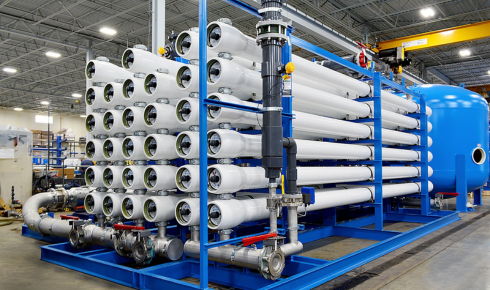
This is where commercial reverse osmosis systems become valuable. They are designed to remove a wide range of impurities by pushing water through a semi-permeable membrane, leaving many unwanted substances behind. The result is cleaner, more predictable water that can be used for demanding business needs.
How Reverse Osmosis Actually Helps
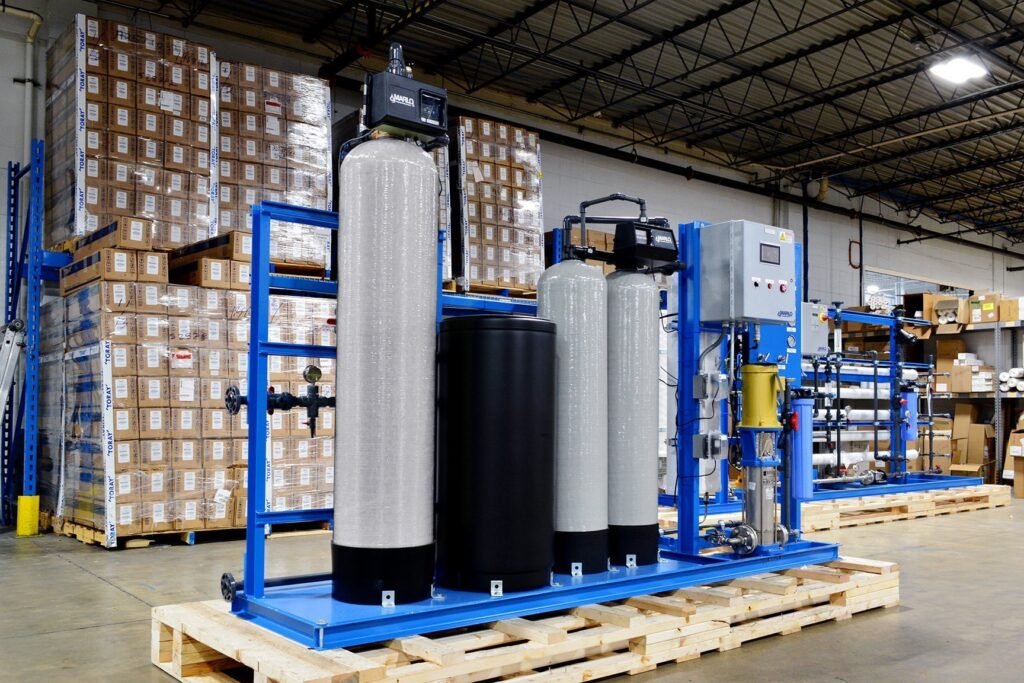
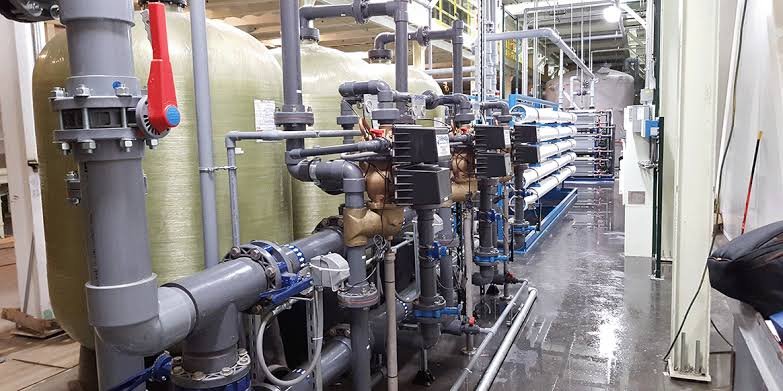
Reverse osmosis sounds technical, and, well, it is. But the basic idea is simple enough. Water is placed under pressure and forced through a special membrane. Tiny water molecules pass through, while many larger particles and impurities are rejected. The system may also include pre-filters, carbon filters, storage tanks, pumps, and post-treatment depending on the application.
For businesses, the real benefit is consistency. A good system doesn’t just improve water once. It keeps producing treated water day after day, provided it is maintained properly. That makes it easier to protect equipment, control taste, reduce spotting, and meet internal quality standards.
Related storyWhy Water Purity Matters More in Commercial and Specialized Applications
It’s not magic, and it’s not a one-size-fits-all fix. But when designed correctly, reverse osmosis can solve problems that basic filtration simply cannot handle.
Industries That Depend on Cleaner Water
Different businesses need treated water for different reasons. Restaurants and coffee shops often want better taste and less mineral interference. Ice machines benefit too, because cleaner water can mean clearer ice and fewer maintenance headaches. Hotels may use treated water to improve guest experience, laundry results, and appliance life.
In manufacturing, water may be part of the product or part of the process. Either way, consistency matters. If minerals or other impurities change from week to week, the end result may change as well. That’s not something most businesses can afford to leave to chance.
Related storyWhy Industrial Water Filtration Matters More Than You Might Think
Medical, dental, laboratory, and pharmaceutical environments often have even stricter requirements. They may need high-purity water for rinsing, testing, sterilization support, formulation, or sensitive equipment. In those settings, poor water is not just inconvenient. It can interrupt workflow, increase risk, and create expensive problems.
The Hidden Cost of Minerals
One of the most common reasons businesses look at reverse osmosis is mineral control. Water can contain dissolved solids such as salts, calcium, magnesium, iron, and other naturally occurring materials. These substances are not always visible, but they can affect taste, equipment, surfaces, and performance.
Over time, minerals can form scale inside pipes, boilers, steamers, dishwashers, coffee machines, humidifiers, and cooling systems. Equipment may need more energy to operate. Maintenance becomes more frequent. Parts wear out sooner. Staff spend extra time cleaning stains, flushing machines, or dealing with inconsistent results.
A small water issue can quietly become a business expense. It doesn’t always show up as one big bill. More often, it appears as repeated service calls, wasted product, shorter equipment life, and little frustrations that never seem to go away.
Choosing the Right System
A commercial RO setup should never be chosen blindly. The right system depends on water usage, incoming water chemistry, flow requirements, storage needs, pressure, temperature, and the purpose of the treated water. A small café and a large manufacturing plant do not need the same design.
Related storyChoosing the Right Water Treatment Installation Approach for Cleaner, Healthier Water at Home
Testing comes first. Without knowing what is in the water, it’s difficult to choose the correct membrane, pre-treatment, or system size. Some water may need softening before reverse osmosis. Some may need sediment removal, carbon filtration, iron treatment, or pH adjustment. Skipping these steps can shorten membrane life and reduce performance.
This is one of those areas where professional design really matters. A cheap system that is too small, poorly installed, or not suited to the water source can become more trouble than it’s worth.
Maintenance Keeps It Working
Even the best reverse osmosis system needs care. Filters must be replaced. Membranes need monitoring. Tanks, pumps, and valves should be checked. Water quality should be tested regularly to make sure the system is still doing its job.
Related storyUnderstanding Problem Water Systems: Practical Water Treatment Solutions for Everyday Water Problems
Maintenance is not just about preventing breakdowns. It protects the quality of the water and the investment behind the system. A neglected RO unit may produce less water, waste more water, or allow impurities to pass through unnoticed. Businesses relying on treated water can’t afford that kind of guesswork.
A Quiet Upgrade With Big Results
Good water rarely gets applause. Customers may not say, “This coffee tastes better because your filtration is excellent.” Staff may not think about the boiler running smoothly. Managers may not notice every avoided repair call. But those benefits are real.
Commercial reverse osmosis is often a behind-the-scenes improvement, the kind that makes daily operations smoother without making much noise. It helps businesses protect equipment, improve product consistency, reduce maintenance stress, and deliver a better experience.
In the end, water is not just something that flows through a building. For many businesses, it is part of the service, the product, and the process. Treat it well, and the rest of the operation often runs a little cleaner too.