There is something deeply ordinary about pouring a glass of water. You do it half-awake in the morning, while cooking dinner, after a workout, or when the kids come running in from outside asking for “just one sip.” Most of the time, you do not pause to think about where that water came from or what it picked up along the way. It is just there, part of the rhythm of home.
But when water tastes a little strange, smells off, or leaves cloudy marks on glasses, suddenly it becomes impossible to ignore. Water is quiet until it is not. And once you start noticing the small things, you begin to realise how much your home depends on water that feels fresh, safe, and comfortable to use.
Why Better Water Starts With Awareness
People often assume that clear water automatically means good water. It is a fair assumption, but not always a correct one. Some water problems are easy to spot, like rust stains, white scale, sediment, or a strong chlorine smell. Others are less obvious. Certain minerals, chemicals, or contaminants may not change the appearance of water at all.
Related storyChoosing the Right Water Treatment Installation Approach for Cleaner, Healthier Water at Home
That is why understanding your home’s supply matters. City water, private well water, older plumbing, new pipes, local geology, and even the condition of your water heater can all influence what finally comes out of the tap. Two homes on the same street can have very different water experiences, which sounds odd until you see it happen.
The Daily Comfort of Healthier Water
The idea of healthy drinking water can sound a little technical, but in real life it is very simple. It is the water you trust enough to drink without hesitation, cook with every day, and hand to your family without that small worry in the back of your mind.
Good drinking water should not taste metallic, smell odd, or make you wonder whether a filter is doing enough. It should support daily life without becoming a topic of conversation every time someone fills a glass. Of course, the only real way to know what is in your water is through testing, especially if you rely on a private well or have noticed changes in taste, smell, or colour.
Small Water Problems Can Become Big Annoyances
Not every water issue is dangerous, but plenty of them are irritating. Hard water, for example, can leave scale on taps, shower doors, kettles, and appliances. Soap may not lather properly. Shampoo may feel like it never fully rinses out. Laundry can come out stiff, and dishes may look spotted even after a full dishwasher cycle.
Related storyUnderstanding Household Water Problems and Why the Right Solution Matters
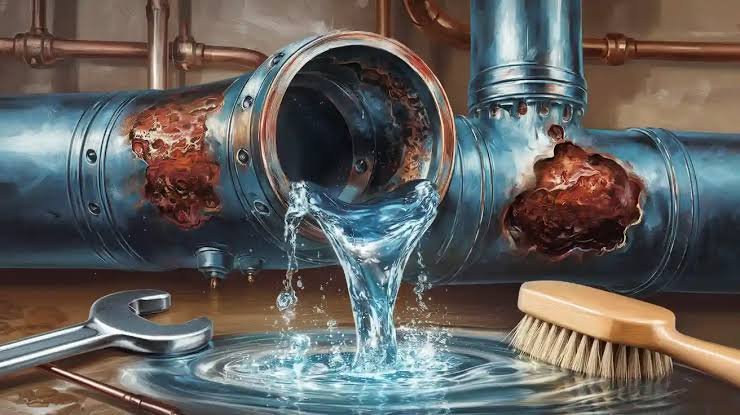
Then there are taste and odour issues. A chlorine-like smell may make tea or coffee taste flat. A sulfur smell can make bathing unpleasant. Iron can leave reddish stains in sinks and toilets. Sediment may clog fixtures. These things may seem small at first, but over time they start to affect how your home feels.
Clean Water Is a Whole-Home Experience
Most families want clean water, but many only think about the glass they drink from. That is understandable. Drinking water feels personal. Still, water is used far beyond the kitchen sink. It touches your skin in the shower, runs through your washing machine, fills your kettle, rinses your vegetables, and moves through your plumbing every single day.
So, when water has problems, the effects are spread around the house. You may notice dry skin in one room, scale in another, cloudy glassware in the kitchen, and buildup inside appliances. That is why a single small filter may help one tap but not solve the wider issue. Sometimes the home needs a broader look.
Testing Before Buying Makes Sense
One mistake homeowners often make is buying a water treatment product before knowing what they actually need. It is easy to do. A filter promises better taste, a softener promises fewer stains, a fancy system claims to handle everything. But water treatment is not guesswork, or at least it should not be.
Related storyUnderstanding Problem Water Systems: Practical Water Treatment Solutions for Everyday Water Problems
A basic test can show hardness, pH, iron, manganese, chlorine, bacteria, total dissolved solids, nitrates, or other concerns depending on the test type. Once you have results, decisions become much clearer. You can match the solution to the problem instead of buying equipment and hoping it works.
Where Filtered Water Fits In
For many homes, filtered water makes everyday life easier. Depending on the system, filtration may reduce sediment, chlorine taste, certain odours, or specific contaminants. Some systems treat only drinking and cooking water, while others are designed for the whole home.
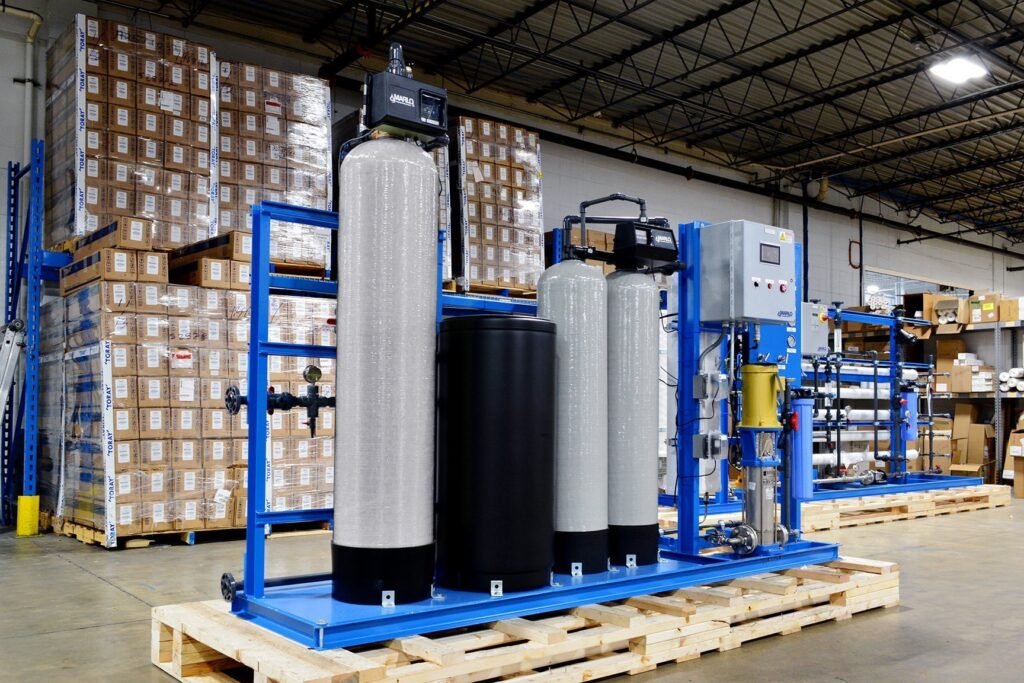
The right choice depends on the water source and the test results. A carbon filter may be great for taste and odour. Reverse osmosis may be useful for certain drinking-water concerns. A sediment filter can protect plumbing and fixtures from particles. A softener can help with hardness, though it is not the same as a contaminant filter. Each tool has a job, and the best results come from using the right one.
Private Wells Need Extra Care
If your home uses a private well, regular water testing should not be treated as optional. Unlike public water systems, private wells are usually the homeowner’s responsibility. That means no one is automatically checking the water for you after it enters your property.
Related storyA Smarter Environmental Choice for Water Treatment Starts With Managing Hard Water
Weather changes, flooding, nearby construction, drought, agricultural runoff, and natural underground minerals can all affect a well. Even if the water has seemed fine for years, conditions can change. A yearly test, plus extra testing after any major change, is a practical habit that can save stress later.
Good Water Makes Home Feel Easier
Better water does not always feel dramatic. Sometimes it is more subtle than that. Coffee tastes a bit cleaner. Towels feel softer. The shower is more comfortable. You stop scrubbing scale from fixtures every weekend. The dishwasher does its job without leaving cloudy spots behind.
These are not flashy improvements, but they matter. Home life is built from repeated little routines, and water is part of nearly all of them. When the water improves, those routines feel smoother.
Related storyThe Hidden Water Problem That Slowly Wears Down a Home
A Simple, Sensible Way Forward
The best approach is not panic and not blind trust. It is awareness. Notice what your water is doing. Pay attention to taste, smell, stains, buildup, and how it feels on skin or laundry. If something seems off, test it. Then choose treatment based on facts, not fear or guesswork.
Water should feel dependable. You should be able to fill a glass, cook dinner, wash your hands, or run a bath without thinking twice. And when your home’s water finally feels right again, it quietly improves the day in ways you may not even notice at first — which is exactly how good water should be.