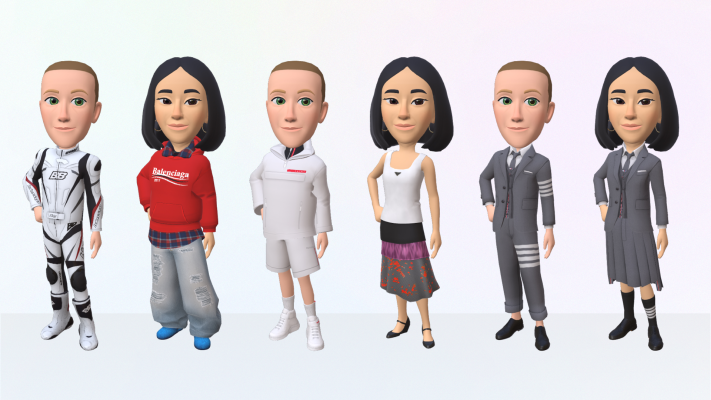
For a while, digital fashion felt like one of those ideas that sounded futuristic but slightly detached from everyday life. Virtual jackets, NFT sneakers, outfits your avatar could wear in some distant metaverse—it all seemed interesting, but also… a bit niche.
And yet, if you look closely, something’s shifting. Digital fashion is slowly stepping out of the “metaverse-only” box and finding relevance in places we actually spend time—social media, gaming, content creation, even e-commerce.
It’s not loud. It’s not everywhere yet. But it’s happening.
What Do We Mean by Digital Fashion, Really?
At its core, digital fashion refers to clothing that exists purely in digital form. You don’t physically wear it. Instead, it’s designed for virtual environments—photos, videos, avatars, or augmented reality filters.
Related storyWearing Without Owning: The Quiet Rise of Rental Fashion in India
Think of it as fashion that lives on screens instead of wardrobes.
Initially, most of the hype was tied to the metaverse. Big brands were experimenting with virtual stores, avatar outfits, and blockchain-based ownership. But as the metaverse hype cooled a bit, a more practical question started emerging: where does digital fashion go from here?
Social Media: The Unexpected Playground
Interestingly, one of the most natural fits for digital fashion isn’t the metaverse—it’s Instagram, TikTok, and similar platforms.
Creators are already experimenting with digitally rendered outfits for photoshoots. Instead of buying multiple expensive pieces, they can “wear” different looks virtually. It’s cost-effective, sustainable, and creatively freeing.
Related storyClothes Without Labels: Why Fashion Is Quietly Letting Go of Gender Rules
You’re no longer limited by fabric, gravity, or even reality. Want a dress made of liquid metal or a jacket that glows like neon? In digital fashion, that’s not just possible—it’s normal.
And audiences? They’re surprisingly open to it.
Sustainability: A Strong Case (But Not Perfect)
One of the biggest arguments in favor of digital fashion is sustainability. Traditional fashion has a heavy environmental footprint—production, shipping, waste. Digital clothing, on the surface, eliminates much of that.
No fabric waste. No overproduction. No unsold inventory.
But it’s not entirely impact-free. Creating and storing digital assets requires energy, especially when blockchain or high-end rendering is involved. So while it’s greener in some ways, it’s not a complete solution.
Related storyMost Eye‑Catching Pendants from Lily Arkwright
Still, compared to fast fashion cycles, it offers a compelling alternative—especially for content-driven consumption.
The Rise of Hybrid Fashion Experiences
This is where things get really interesting. Instead of choosing between physical and digital, brands are starting to blend the two.
You might buy a real jacket and get a digital version of it for your online presence. Or try on clothes virtually before purchasing them physically. Augmented reality is making this feel less like science fiction and more like a practical shopping tool.
Related storyClassic Meets Contemporary: Platinum Rings by Lily Arkwright
It’s subtle, but it changes how we interact with fashion.
And it brings us back to that lingering question: Digital fashion (virtual clothing) ka future kya hai metaverse ke bahar? The answer seems to lie in these hybrid experiences—where digital enhances reality rather than replacing it.
Gaming and Digital Identity
Gaming has always been ahead of the curve when it comes to digital identity. Skins, outfits, character customization—it’s been part of the culture for years.
What’s new is the crossover. Fashion brands are collaborating with games, and gamers are influencing fashion trends outside gaming spaces. The line between virtual style and real-world fashion is getting blurrier.
Related storySharp and Stunning: The Bold Geometry of the Princess Cut
For younger audiences especially, what you wear digitally can feel just as important as what you wear physically.
Challenges That Can’t Be Ignored
Of course, digital fashion isn’t without its hurdles.
Accessibility is one. Not everyone has access to the tools or platforms needed to fully engage with it. There’s also a learning curve—both for consumers and brands.
Then there’s the question of value. Will people consistently pay for something they can’t physically own? Some will, especially if it enhances their online presence. But for many, it still feels abstract.
And let’s not forget the tech dependency. Without the right platforms, devices, and integrations, digital fashion struggles to scale.
A Slow, Steady Evolution
If you expected digital fashion to explode overnight, it probably feels underwhelming right now. But maybe that’s the wrong expectation.
This isn’t a sudden revolution. It’s more of a gradual shift.
Piece by piece, digital fashion is integrating into existing behaviors—social media, online shopping, gaming, content creation. It’s not replacing traditional fashion. It’s expanding what fashion can be.
A Final Thought
Fashion has always been about expression. About identity. About how we present ourselves to the world.
The “world” just happens to be increasingly digital now.
And maybe that’s the real story here. Digital fashion isn’t trying to pull us into a virtual universe. It’s quietly adapting to the one we’re already living in—half physical, half digital, constantly evolving.
It’s not about whether it will replace real clothes. It won’t.
But it might just change how we think about them.