Walk into a clothing store today—especially in a big city—and something feels… different. It’s not always obvious at first. Maybe it’s a hoodie that isn’t tucked into a “men’s” or “women’s” section. Or a shirt that doesn’t quite follow the usual cuts we’re used to. You notice it, pause for a second, and then move on.
But that small moment? It says a lot about where fashion is heading.
The Old Rules We Never Questioned
For decades, fashion operated on a simple binary. Men wore this. Women wore that. Even colors had assigned sides—blue for boys, pink for girls. It was so normalized that most of us never really stopped to question it.
And honestly, for a long time, it worked—at least on the surface. People shopped within clearly defined sections, brands designed collections accordingly, and the system just kept going.
Related storyWearing Without Owning: The Quiet Rise of Rental Fashion in India
But beneath that structure, there were always people who didn’t quite fit into it. People who wanted more fluidity, more freedom. The difference now is—they’re no longer staying quiet.
A Shift That Feels Personal
What’s interesting about the rise of gender-neutral fashion is that it doesn’t feel like a sudden revolution. It’s more like a slow, steady drift.
Younger consumers, especially Gen Z, are approaching identity differently. Labels—whether in fashion or otherwise—don’t hold the same weight they once did. People are more comfortable exploring, mixing, redefining.
Related storyBeyond Avatars: Where Digital Fashion Is Quietly Finding Its Place in the Real World
And fashion, being the mirror it is, is responding.
It’s not just about removing gender tags. It’s about designing clothes that prioritize expression over expectation. Pieces that feel wearable by anyone, without explanation.
Not Just a Trend—A Reflection of Culture
At some point, you start noticing that this isn’t just a design choice. It’s cultural.
Gender-neutral fashion brands ka rise aur consumer behavior change isn’t happening in isolation. It’s tied to broader conversations around identity, inclusivity, and representation.
Related storyMost Eye‑Catching Pendants from Lily Arkwright
Brands are listening more closely now. Not just to what people are buying, but to what they’re saying—and sometimes, what they’re not saying out loud.
Consumers today want authenticity. They want to feel seen. And they’re more likely to support brands that align with those values.
What These Brands Are Doing Differently
If you look closely, gender-neutral fashion brands aren’t just merging men’s and women’s collections. They’re rethinking the entire approach.
Related storyClassic Meets Contemporary: Platinum Rings by Lily Arkwright
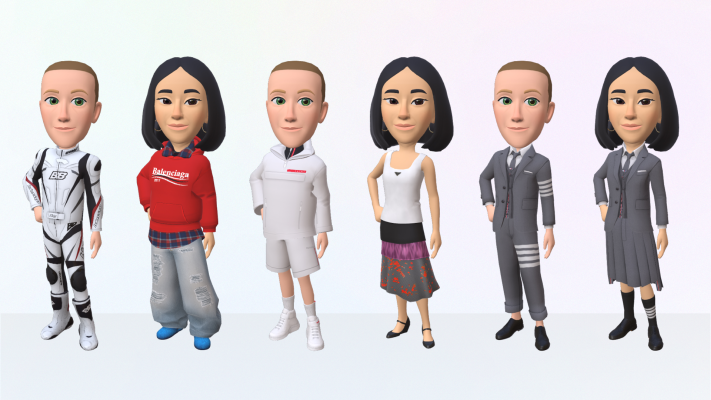
Silhouettes are more relaxed. Fits are less restrictive. Colors are chosen without assumptions. Even marketing campaigns are shifting—models are styled in ways that don’t emphasize traditional gender cues.
It’s subtle, but intentional.
Some brands go a step further by removing gendered categories altogether. Instead of “men” and “women,” you’ll see collections organized by style, mood, or function. It changes how you browse, and more importantly, how you think.
The Business Side of the Shift
Let’s not ignore the practical angle—this shift makes business sense too.
Related storySharp and Stunning: The Bold Geometry of the Princess Cut
By designing clothing that appeals to a broader audience, brands can expand their market without necessarily increasing product lines. It’s efficient, but also adaptive.
At the same time, it requires a careful balance. If done superficially, it can come across as performative. Consumers are quick to pick up on that.
Authenticity matters here more than ever. Brands that genuinely understand their audience tend to stand out. The ones that just follow the trend? Not so much.
Consumers Are Changing the Rules
Maybe the most powerful part of this movement is that it’s being driven by consumers as much as brands.
People are shopping differently. They’re less concerned about which section a piece comes from and more focused on whether it fits their style. You’ll see someone pick up a jacket from the “opposite” section without thinking twice.
And that’s the real shift—not just what’s available, but how it’s being used.
Social media has played a role too. Platforms like Instagram and Pinterest are full of styling inspiration that blurs traditional boundaries. It normalizes experimentation.
Not Without Resistance
Of course, not everyone is on board.
There are still consumers who prefer clearly defined categories. For them, gender-neutral fashion can feel confusing or unnecessary. And that perspective isn’t going away anytime soon.
Cultural context also plays a role. In some regions, traditional norms remain strong, and change happens more slowly.
But even there, small shifts are happening. Maybe not in storefronts yet, but in conversations, in awareness.
Where This Might Be Heading
It’s tempting to predict that gender-neutral fashion will completely replace traditional categories. But reality is usually more layered than that.
What’s more likely is coexistence.
Some brands will continue to cater to gender-specific styles. Others will lean fully into neutrality. And many will exist somewhere in between, offering flexibility without abandoning structure.
The key difference is choice. Consumers now have more of it—and that’s not a small thing.
A Quiet Redefinition of Style
At its core, this shift isn’t just about clothes. It’s about how we see ourselves—and how we want to be seen.
Fashion has always been a form of expression. What’s changing now is the language we’re using to express it.
Less about fitting into a category. More about creating your own.
And maybe that’s why gender-neutral fashion doesn’t feel loud or disruptive. It feels… natural. Like something that was always meant to happen, just waiting for the right moment.
Because sometimes, the biggest changes don’t arrive with noise.
They just slowly, quietly, become the new normal.