Water is one of those things we use all day without giving it much credit. It fills the coffee pot before the house is fully awake. It runs through the shower while someone is already late for work. It washes vegetables, rinses dishes, softens laundry, fills pet bowls, and keeps life moving in a hundred small ways. Most of the time, we expect it to simply do its job.
But when water starts leaving spots on glasses, making skin feel dry, smelling odd, or tasting a little “off,” it becomes harder to ignore. Suddenly, the tap feels less dependable. And that’s usually when homeowners begin wondering what’s actually in their water and what can be done about it.
The good news is that water problems are often easier to understand once you break them down. Different issues need different solutions, and the right treatment system can make everyday life feel cleaner, simpler, and honestly, a bit more comfortable.
Related storyChoosing the Right Water Treatment Installation Approach for Cleaner, Healthier Water at Home
Why Water Treatment Is Not One-Size-Fits-All
A lot of people assume water filtration means one basic filter under the sink. Sometimes that’s enough. But many homes deal with more than one water concern at the same time. Hardness minerals, chlorine taste, sediment, dissolved solids, bacteria, iron, and pH imbalance can all show up depending on the water source.
Municipal water usually goes through treatment before reaching your home, but that doesn’t mean it always tastes great or suits every household. Private well water, on the other hand, may come with natural minerals, sediment, or microbial concerns that need closer attention.
This is why testing matters. Without a proper water test, choosing a system is mostly guesswork. You might improve the taste and still leave hardness untreated. Or you might soften the water but not address drinking-water contaminants. Good water treatment begins with knowing the actual problem.
Related storyHow Modern Water Softeners Make Hard Water Easier to Manage
When Hard Water Becomes a Household Nuisance
Hard water is one of the most common complaints homeowners face. It usually contains higher levels of calcium and magnesium, which can leave behind white spots, chalky buildup, and crusty deposits around faucets and showerheads.
Over time, water softening systems can help reduce hardness minerals and make water easier on plumbing, appliances, laundry, and skin. You may notice soap lathering better, towels feeling softer, and dishes coming out cleaner. Even fixtures may stay brighter for longer because mineral deposits are not building up as quickly.
Hard water may not always be a health concern, but it can quietly cost money. Water heaters may work harder. Dishwashers and washing machines may wear down sooner. Cleaning takes more effort than it should. It’s one of those problems that feels normal until it’s fixed.
Better Drinking Water Begins at the Tap
Drinking water has its own set of concerns. Even when water is technically treated, the taste, smell, and dissolved content may still bother people. Some families rely on bottled water because their tap water tastes flat, metallic, salty, or chemical-like.
Related storyUnderstanding Problem Water Systems: Practical Water Treatment Solutions for Everyday Water Problems
That’s where reverse osmosis systems often come into the conversation. Reverse osmosis uses a fine membrane to reduce many dissolved impurities, helping create cleaner-tasting water for drinking, cooking, coffee, tea, and ice. It’s especially useful when homeowners want a more polished drinking-water option at the kitchen sink.
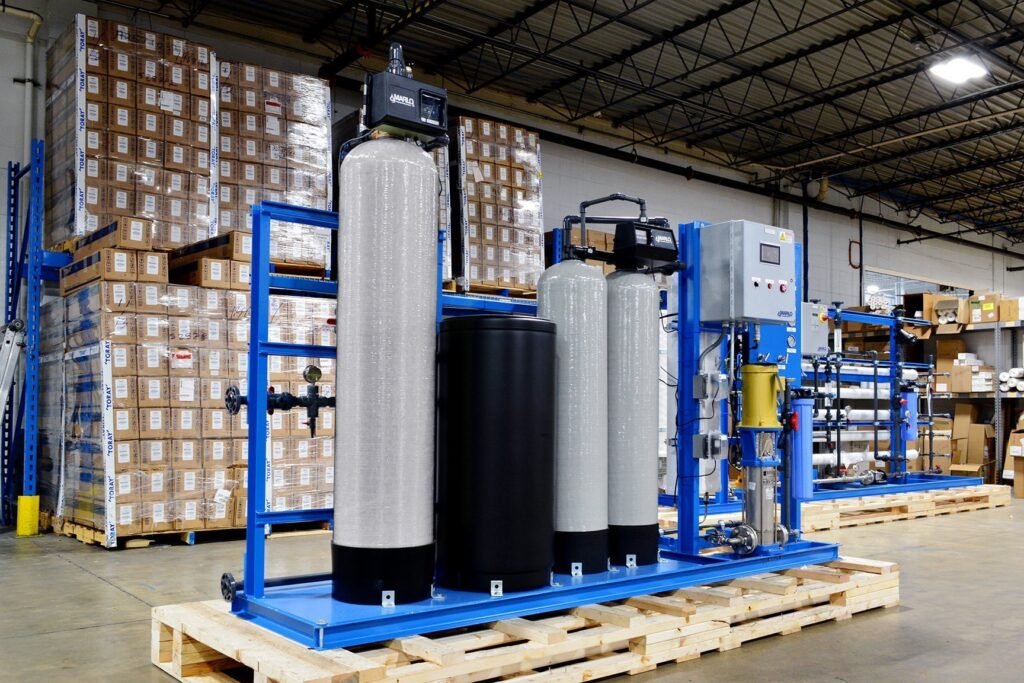
A well-designed system may include multiple stages, such as sediment filtration, carbon filtration, the RO membrane, and sometimes a final polishing filter. The result is water that often tastes noticeably cleaner and lighter. For people who spend money on bottled water every week, this kind of system can feel like a practical upgrade.
What About Bacteria and Microorganisms?
Some water problems are visible. Others are not. Bacteria, viruses, and certain microorganisms cannot usually be detected by sight, taste, or smell. This is especially important for private well owners, because well water is not monitored by a city treatment plant.
UV disinfection is commonly used as an added layer of protection against many microorganisms. It uses ultraviolet light to help inactivate harmful microbes as water passes through the unit. No chemical taste is added, which is one reason homeowners like it.
Still, UV treatment works best when the water is already clear and properly filtered. If sediment or cloudiness is present, those particles can interfere with performance. So UV is often paired with sediment filtration or other pre-treatment steps for better results.
Related storyA Smarter Environmental Choice for Water Treatment Starts With Managing Hard Water
Matching the System to the Real Problem
The biggest mistake homeowners make is buying a system based only on what someone else recommended. A neighbor’s solution may not be the right fit for your home. Water can vary from house to house, especially with wells, older plumbing, or different supply lines.
For example, hard water may need softening. Bad taste may need carbon filtration or RO treatment. Sediment may need a whole-home filter. Bacteria concerns may call for UV. Iron staining may require specialized filtration. And some homes may need a combination of treatments to get the best outcome.
That doesn’t mean the solution has to be complicated. It just has to be thoughtful.
Whole-Home Comfort vs. Drinking-Water Quality
There is also a difference between treating all the water entering the home and treating only drinking water. A whole-home system can improve water used for showers, laundry, plumbing, and appliances. A drinking-water system usually focuses on one faucet, most often in the kitchen.
Related storyHow to Stop Hard Water From Taking Over Your Home
Many homes benefit from both approaches. A softener or whole-house filter can improve general household water, while an RO system can provide high-quality water for drinking and cooking. This layered approach makes sense when different problems need different levels of treatment.
Maintenance Keeps Everything Working
No system works forever without care. Filters need replacement. Salt levels may need checking. RO membranes have a lifespan. UV lamps must be changed as recommended. Skipping maintenance can slowly reduce performance, even if the water still looks fine.
The best systems are the ones homeowners can actually maintain. Clear schedules, professional support, and simple reminders make a big difference. Water treatment should make life easier, not become another stressful household chore.
Clean Water Makes Daily Life Feel Better
Cleaner water is not always dramatic. It doesn’t announce itself with flashing lights. It shows up quietly — in better coffee, softer laundry, cleaner dishes, fewer stains, smoother showers, and a little more confidence every time you fill a glass.
That’s what makes the right water treatment so valuable. It improves things you already do every day.
When you understand your water and choose a system that fits your home, you stop guessing. You stop fighting the same stains, tastes, smells, and buildup over and over again. And in a simple, practical way, your home just works better.
Good water should feel easy. With the right treatment choices, it can.