The Trust We Place in Every Tap
Most of us don’t think too much about the water running through our homes. It’s just there. You turn the handle, fill a glass, rinse your hands, wash the vegetables, make tea, start the dishwasher, and carry on. Water becomes part of the background noise of daily life, like the hum of the fridge or the click of a light switch.
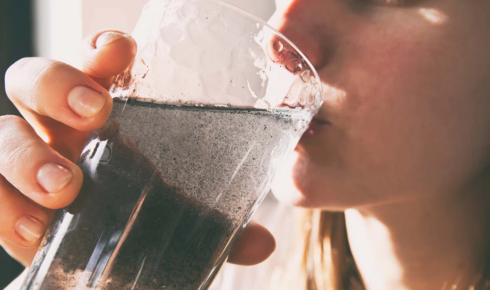
But every now and then, something makes you pause. Maybe the water smells faintly odd. Maybe there’s a cloudy look in the glass. Maybe the sink has stains that keep coming back, even after a good scrub. Or maybe you’ve simply started wondering whether the water you use every day is as clean as it looks.
That question is worth asking. Not in a panic-driven way, but in a practical, homeowner kind of way. Because water can seem perfectly normal at first glance and still have issues hiding beneath the surface.
Related storyChoosing the Right Water Treatment Installation Approach for Cleaner, Healthier Water at Home
When Clear Water Isn’t the Whole Story
The tricky thing about water is that appearance doesn’t tell you everything. A clear glass of water can still contain minerals, chemicals, sediment, metals, or bacteria that aren’t visible to the eye. On the other hand, cloudy water may sometimes be caused by harmless air bubbles. That’s what makes guessing so unreliable.
The phrase contaminated water can sound dramatic, almost like something from a news report or emergency warning. But in everyday homes, contamination can be more ordinary and less obvious. It might come from ageing pipes, local water supply changes, agricultural runoff, private wells, old plumbing materials, or even a water heater that hasn’t been maintained properly.
Sometimes the effects show up quickly. Other times, they creep in slowly. A slight taste change here, a stain there, a bit of scale around the faucet, or laundry that never feels fully fresh. These are small clues, but they can point to a larger water quality issue.
What May Be in Household Water?
Different homes face different water concerns. City water is usually treated before it reaches your property, but it can still contain chlorine, chloramine, sediment, dissolved minerals, or substances picked up along the way. Homes with older plumbing may also have concerns related to lead, copper, or rust particles.
Related storyHard Water Isn’t Just Annoying — It Slowly Wears a Home Down
Private wells are a different situation altogether. Well water can be influenced by the soil, rock, nearby farms, septic systems, flooding, and seasonal changes. It may contain iron, manganese, sulphur, nitrates, bacteria, or hardness minerals. And since private wells are typically the homeowner’s responsibility, regular testing becomes even more important.
Many water contaminants do not announce themselves with a strange colour or smell. Nitrates, lead, certain chemicals, and some bacteria may not give obvious warning signs. That’s why relying only on taste or appearance can be risky. Water testing gives a clearer picture, and honestly, it removes a lot of guesswork.
The Everyday Impact on Home Life
Water affects more than what you drink. It touches almost every corner of the house. It runs through your shower, washing machine, dishwasher, ice maker, coffee machine, water heater, toilets, garden hose, and kitchen sink. So when water quality is poor, the effects can spread quietly through daily routines.
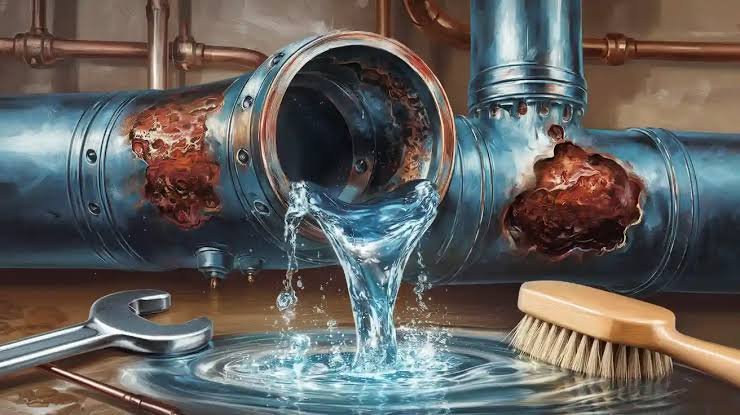
Hard water may leave spots on dishes, make soap harder to rinse, and create scale inside appliances. Iron can stain sinks, tubs, toilets, and laundry. Chlorine may affect taste and smell. Sediment can clog filters, valves, and fixtures. Acidic water may contribute to corrosion in pipes. It’s not always one big problem; often it’s several small annoyances stacking up.
Related storyWhy More Homeowners Are Choosing Reverse Osmosis for Better-Tasting Water
And that’s where many homeowners get tired. They keep cleaning stains, replacing showerheads, buying bottled water, or wondering why appliances don’t last as long as they should. Better water doesn’t just make life healthier. It can make the house easier to maintain.
Drinking Water Is Personal
There’s something very personal about drinking water. You can tolerate a little hard water in a toilet tank or some scale on a shower door, but the water you put into your body feels different. You want it to taste clean. You want it to smell right. You want to hand a glass to your child or fill a pet bowl without second-guessing yourself.
Bottled water may seem like an easy fix, but it’s not always practical long term. It costs money, creates plastic waste, takes up space, and doesn’t solve the water used for cooking, washing produce, brushing teeth, or making ice. For many families, improving the water at the tap is a smarter and more comfortable solution.
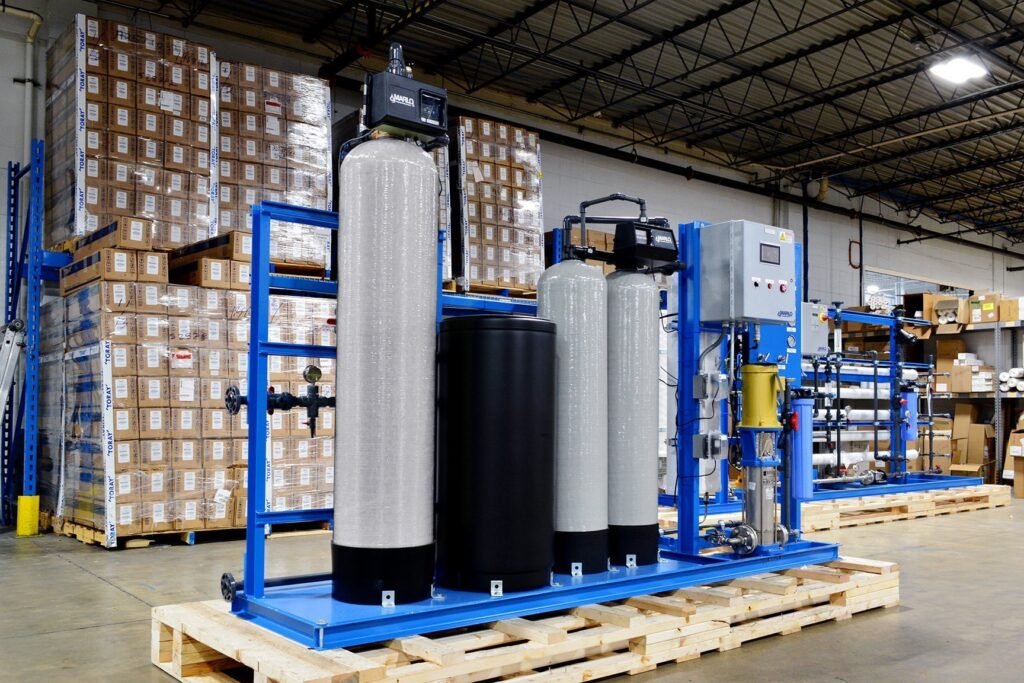
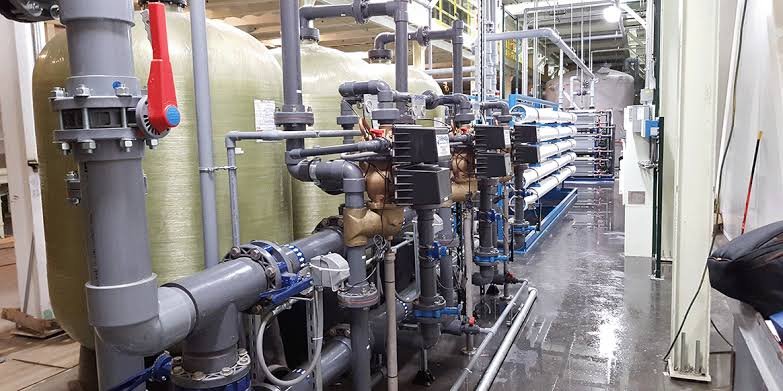
A good home water plan starts with knowing the actual condition of the water. Not every house needs the same system. Some need sediment filtration. Some need carbon filtration. Some need reverse osmosis for specific drinking points. Some need softening, neutralizing, ultraviolet disinfection, or a whole-home setup. The right answer depends on the problem.
Related storyUnderstanding Household Water Problems and Why the Right Solution Matters
Testing Before Buying Anything
One common mistake is buying a filter first and asking questions later. It happens all the time. A homeowner sees a product online, reads a few reviews, and hopes it fixes the issue. Sometimes it helps. Sometimes it barely changes anything.
That’s because filters are not magic boxes. Each type is designed for certain concerns. A carbon filter may improve taste and reduce chlorine, but it may not remove dissolved minerals. A water softener helps hardness, but it doesn’t automatically make unsafe water safe. A UV system can treat bacteria, but it won’t remove sediment or chemicals on its own.
Testing gives direction. It helps identify pH, hardness, iron, chlorine, bacteria, nitrates, metals, and other factors depending on the test used. Once the results are clear, treatment becomes more practical and less expensive in the long run.
Related storyUnderstanding Problem Water Systems: Practical Water Treatment Solutions for Everyday Water Problems
Signs You Shouldn’t Ignore
Some warning signs deserve attention. Recurring stains, metallic taste, rotten-egg smell, cloudy water, slimy buildup, sudden pressure changes, frequent stomach discomfort, or filters that clog too quickly are all worth checking. If your water changes suddenly after storms, plumbing work, flooding, or nearby construction, that’s another reason to test.
For well owners, routine testing is especially important. Even if the water has been fine for years, conditions can change. A well is connected to the environment around it, and the environment doesn’t stay perfectly still.
Better Water Brings Quiet Confidence
Good water doesn’t need to be fancy. It just needs to be dependable. When your home’s water is properly tested and treated, daily life feels a little easier. The coffee tastes better. The ice smells fresher. The shower feels cleaner. The sink stays nicer for longer. And most importantly, you feel more confident about what your family is using every day.
Water is too important to leave entirely to chance. A simple test, a little attention, and the right treatment can make a real difference. Not in a loud, dramatic way — just in the quiet comfort of knowing that when you turn on the tap, the water is doing exactly what it should.