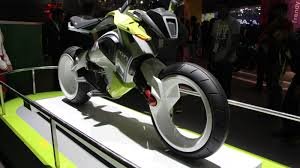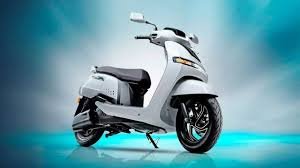
There’s something oddly fascinating about the idea of bikes that run on hydrogen. No smoke, no petrol smell, no charging anxiety—just clean energy and quiet rides. On paper, it almost feels like the perfect answer to India’s mobility problems. But then reality creeps in. Roads, costs, infrastructure… suddenly it’s not that simple anymore.
I’ve been seeing more conversations around hydrogen-powered vehicles lately, especially in the context of India’s push toward cleaner mobility. Electric bikes are already here, slowly becoming normal. But hydrogen? That still feels… distant. Not impossible, just not quite within reach yet.
What Makes Hydrogen Bikes So Appealing?
Let’s start with the obvious. Hydrogen fuel cell vehicles don’t emit harmful gases—only water vapor. That’s a big deal, especially in cities where air quality isn’t just a concern, it’s a daily struggle. Compared to EVs, hydrogen bikes could also offer faster refueling times. Think of it like filling petrol—just a few minutes and you’re good to go again.
Related storyWhy Car Insurance in India Might Soon Feel More Like a Netflix Subscription
There’s also the range advantage. Hydrogen vehicles typically go longer distances than most electric bikes, which could be useful in a country like India where long commutes and highway travel are common.
But here’s the thing—what sounds perfect in theory doesn’t always translate smoothly into everyday life.
Infrastructure: The Elephant in the Room
The biggest roadblock? Infrastructure. Right now, India barely has hydrogen refueling stations. Even electric charging stations are still growing, and hydrogen is a whole different level of complexity.
Related storyDo Car Cabin Air Purifiers Actually Make a Difference? A Real-World Look
Setting up hydrogen infrastructure isn’t cheap. It involves production, storage, transportation, and safety systems that are far more demanding than EV charging points. Until there’s a widespread network, owning a hydrogen bike would feel more like a headache than a convenience.
This is why, when people ask Hydrogen fuel cell bikes India me kab tak realistic ho sakti hain?, the answer almost always circles back to infrastructure. Without it, even the best technology struggles to survive.
Cost: Another Reality Check
Let’s talk money. Hydrogen fuel cells are still expensive to produce. The technology isn’t mass-scaled yet, and that means higher costs for manufacturers—and eventually, for buyers.
In a price-sensitive market like India, affordability isn’t just important—it’s everything. Even electric bikes are still trying to hit that sweet spot where cost meets value. Hydrogen bikes, at least for now, would likely sit in a premium category, far from mass adoption.
And then there’s the fuel itself. Producing “green hydrogen” (the clean version) requires renewable energy and advanced processes, which again adds to the cost.
Government Push and Industry Interest
To be fair, things aren’t completely stagnant. The Indian government has already launched initiatives like the National Hydrogen Mission, aiming to make India a global hub for green hydrogen.
Major companies are also exploring hydrogen technology, though most of the focus is currently on heavy vehicles—trucks, buses, and industrial applications. It makes sense, honestly. Hydrogen works better where long range and heavy loads are involved.
Two-wheelers? They’re probably not the first priority.
Still, innovation has a funny way of surprising us. What seems niche today can become mainstream tomorrow, especially if policies, subsidies, and technology align at the right time.
Electric vs Hydrogen: Not Really a Competition
There’s often this debate—EVs vs hydrogen. But it’s not really a battle. They serve different purposes.
Electric bikes are already solving urban mobility problems. They’re simpler, more efficient for short distances, and easier to scale in cities. Hydrogen, on the other hand, might find its place in long-distance or commercial transport.
So instead of replacing EVs, hydrogen bikes—if they arrive—will likely coexist, serving a different segment altogether.
So… When Can We Expect Them?
If we’re being realistic, hydrogen fuel cell bikes in India are still a few years away from becoming practical. Not just available, but actually usable for everyday riders.
A rough estimate? Maybe late this decade or early 2030s, assuming infrastructure grows, costs drop, and policies continue to support the shift.
But even then, adoption will likely start small—pilot projects, limited cities, maybe niche users. Mass adoption? That will take time.
A Thought to End On
Sometimes, the future doesn’t arrive all at once. It comes in layers. Electric bikes were once seen as impractical too—and now they’re quietly becoming part of everyday life.
Hydrogen bikes might follow a similar path. Slow beginnings, skepticism, gradual acceptance.
For now, they remain an exciting possibility. Not quite around the corner, but not completely out of reach either.
And maybe that’s okay. Not every good idea needs to rush.