Every business depends on water in some way. That sounds obvious, almost too simple to mention, but it’s true. A restaurant needs clean-tasting water for coffee, ice, cooking, dishwashing, and customer drinks. An office needs water employees will actually want to drink. A hotel needs water that feels good in showers and doesn’t leave ugly marks on fixtures. Clinics, gyms, schools, salons, laundries, manufacturing spaces — each one uses water differently, but they all feel it when the water isn’t right.
Poor water rarely causes one big dramatic moment at first. It usually shows up in small, irritating ways. Cloudy ice. Scale on equipment. A strange taste in tea or coffee. Spotting on glassware. Low pressure. Complaints from staff. More cleaning than usual. Machines needing attention too often. Little things, yes, but little things can become expensive when they happen every day.
Water Problems Can Quietly Affect Operations
In a home, bad water is annoying. In a business, it can become operational. A café with poor-tasting water may serve coffee that never tastes as good as it should. A hotel with hard water may fight constant buildup on showerheads and taps. A gym may deal with drinking fountains no one likes using. A restaurant may spend extra time polishing glasses because spots keep appearing after washing.
Related storyWhy Reliable Water Systems Are Becoming a Smart Investment for Modern Businesses
These problems do not always mean the water is unsafe. Sometimes the issue is minerals, sediment, chlorine, iron, or other everyday water conditions. But even when the water meets basic standards, it may still affect taste, appearance, equipment performance, and customer experience.
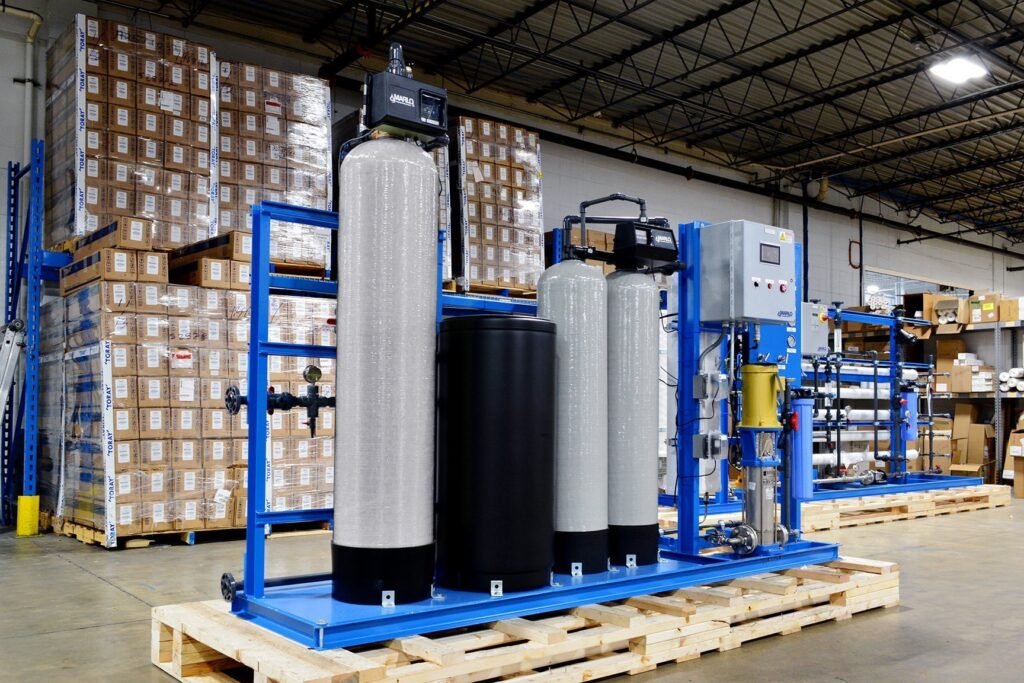
That’s where commercial water filtration becomes worth serious attention. It helps businesses treat water based on their actual needs, rather than relying on basic filters or hoping the problem goes away on its own.
One Business, One Water Challenge
No two commercial properties use water in exactly the same way. A small office may mainly care about drinking water and employee comfort. A restaurant may need filtration for ice machines, beverage stations, dishwashers, and kitchen prep. A hotel may need treatment across many rooms and fixtures. A manufacturing facility may have process-related water needs that require more technical planning.
This is why a one-size-fits-all system usually doesn’t work well. The right setup depends on water source, usage volume, equipment type, plumbing layout, local water conditions, and the business goals. A system that works nicely for a break room may not be enough for a busy kitchen. A softener that helps with scale may not fix taste or odor.
Related storyA Smarter Environmental Choice for Water Treatment Starts With Managing Hard Water
Testing is the smart starting point. Once the water is tested, the treatment plan becomes much clearer. Instead of guessing, business owners can choose equipment that solves the real problem.
The Cost Side of Better Water
Many business owners delay water upgrades because they see them as an added expense. That’s understandable. There is always another bill, another repair, another priority. But water treatment is not only about comfort or appearance. It can affect long-term costs too.
Poor water can make equipment work harder. Scale can reduce efficiency. Sediment can clog fixtures and lines. Bad-tasting water may push businesses toward bottled water, jug deliveries, or constant filter replacements. Extra cleaning, service calls, downtime, and customer complaints all carry a cost, even if they don’t always appear neatly on one invoice.
Related storyUnderstanding Problem Water Systems: Practical Water Treatment Solutions for Everyday Water Problems
Well-planned cost-effective solutions focus on reducing waste, protecting equipment, and improving daily operations without overspending on unnecessary features. The best system is not always the biggest one. It is the one that fits the business properly and keeps delivering value over time.
Better Water Supports Better Customer Experiences
Customers may not walk into a restaurant and ask what type of filtration system is installed. But they notice the result. They notice clear ice, clean-tasting water, good coffee, spotless glasses, and restrooms that feel well cared for. In hotels and gyms, they notice showers, sinks, and drinking stations. In offices, employees notice whether they bring their own bottled water or trust what’s available.
Water plays a quiet role in how people judge a place. It may not be the main reason they return, but poor water can definitely leave a bad impression. A metallic taste, cloudy beverage, or stained fixture sends the wrong message, even if everything else is professionally managed.
That is why investing in water quality is really an investment in the experience people have inside the business. It supports confidence, comfort, and consistency — three things every business wants more of.
Protecting Equipment From Everyday Strain
Water-using equipment is expensive. Ice machines, coffee brewers, dishwashers, boilers, laundry equipment, water heaters, and beverage systems all depend on water moving through them properly. When that water carries excess minerals or particles, equipment can suffer slowly.
Related storyChoosing the Right Water Treatment Installation Approach for Cleaner, Healthier Water at Home
Hard water scale can build inside heating elements and lines. Sediment can block flow. Chlorine or other chemicals may affect taste-sensitive equipment. Over time, poor water can lead to more maintenance, weaker performance, and shorter equipment life.
Filtration and treatment do not remove the need for normal servicing, of course. Machines still need proper care. But better incoming water can reduce unnecessary stress and help equipment work closer to the way it was designed to.
Maintenance Keeps the Benefits Going
Installing a system is only the beginning. Filters need replacement. Media may need servicing. Softener salt may need refilling. Reverse osmosis membranes, UV lamps, and other components all have lifespans. If maintenance is ignored, performance drops.
Related storyWhy More Homeowners Are Choosing Reverse Osmosis for Better-Tasting Water
A good provider should make maintenance simple. Business owners and managers already have enough to track. A clear service schedule, regular inspections, and honest recommendations can help keep water systems working without adding confusion.
For busy commercial properties, planned maintenance is especially important. Waiting until something breaks can disrupt operations. A scheduled approach is calmer, cleaner, and usually easier to budget for.
A Practical Step Toward a Better Business
Better water is not flashy. It probably won’t be the thing customers talk about first. But it touches so many parts of a business that ignoring it can be a mistake.
From drinks and ice to cleaning, equipment, fixtures, and staff comfort, water has a daily presence. When it improves, operations often feel smoother. When it is neglected, small issues keep returning.
For businesses dealing with taste problems, scale, staining, cloudy ice, equipment buildup, or ongoing water complaints, testing is the place to begin. From there, the right filtration plan can support cleaner routines, better customer impressions, and fewer avoidable frustrations.
Good water doesn’t have to be complicated. It just needs the right attention, the right system, and steady care after installation. Quiet improvements like that often make the biggest difference over time.