There’s something oddly frustrating about waiting for hot water. You turn the tap, stand there for a few seconds, maybe a minute, and watch perfectly good water run down the drain while you wait for it to warm up. It’s one of those little daily annoyances that doesn’t feel huge on its own, but over time, it starts to feel wasteful.
Homes are changing. People want more comfort, yes, but they also want better use of space, lower energy bills, and systems that don’t feel oversized for the way they actually live. The old idea that every home needs a large, bulky water heater tucked away somewhere is not always the best answer anymore. For many households, smaller and smarter water heating options are starting to make a lot more sense.
The Problem With Oversized Traditional Systems
Traditional tank water heaters have served homes for decades. They store a set amount of hot water and keep it ready, even when nobody is using it. That sounds convenient, and often it is. But it can also mean wasted energy, especially in homes where hot water use is irregular.
Related storyA Smarter Environmental Choice for Water Treatment Starts With Managing Hard Water
Think about a smaller household, a guest bathroom, a studio apartment, or a home office with a sink. Does it always need a large tank heating water around the clock? Probably not. In these cases, oversized systems may take up valuable space and use energy in ways that don’t match real daily demand.
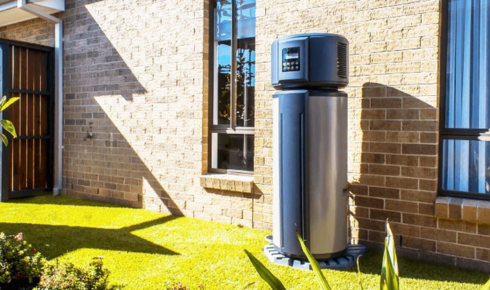
That’s where compact systems come into the conversation. They are designed to fit into tighter spaces while still delivering practical hot water performance. Instead of building the home around the equipment, the equipment fits better into the home.
Space Matters More Than People Realise
Not every house has a huge basement, garage, or utility room. Many modern homes, apartments, townhouses, and renovated spaces are working with limited square footage. Every cupboard, wall, and corner has a purpose.
A smaller water heating unit can free up space that would otherwise be swallowed by a bulky tank. That might not sound exciting, but in a small home, it matters. A little extra storage space can mean room for cleaning supplies, tools, laundry items, or just less clutter.
Related storyHow Modern Water Softeners Make Hard Water Easier to Manage
For builders and remodelers, compact water heating options can also make design easier. They can be installed closer to where hot water is needed, depending on the setup, which may reduce long pipe runs and improve convenience.
Hot Water Without the Long Wait
One of the biggest reasons people look at newer water heating options is convenience. Nobody enjoys standing at the shower waiting for warmth to arrive. Nobody likes running the kitchen tap forever before washing dishes. It feels wasteful, because it is.
Some smaller or point-of-use systems can help reduce wait times by placing hot water closer to the fixture. In the right situation, that means faster access and less water wasted before the temperature feels right.
Related storyWhy Reliable Water Systems Are Becoming a Smart Investment for Modern Businesses
For busy mornings, that can be surprisingly helpful. A home doesn’t need to be fancy to feel better. Sometimes it just needs to work with fewer delays and less irritation.
Efficiency Is Not Just About the Bill
When people hear efficiency, they usually think about saving money. Fair enough. Lower utility bills are a good reason to care. But efficiency is also about using resources more thoughtfully. Heating water only when needed, reducing standby heat loss, and choosing equipment that matches household usage can all make a difference.
A properly chosen unit can be an efficient solution for homes that don’t require constant large-volume hot water. This may include smaller households, additions, outdoor kitchens, workshops, guest suites, or secondary bathrooms.
Still, the key phrase is “properly chosen.” A system that is too small may struggle. A system that is installed incorrectly may disappoint. Efficiency depends on sizing, water demand, fuel type, flow rate, temperature rise, and where the system is placed.
Related storyWhy More Homeowners Are Choosing Under-Sink Water Filtration for Everyday Peace of Mind
The Appeal of On-Demand Comfort
On-demand water heating has become popular because it feels logical. Instead of storing hot water all day, the system heats water when there is a call for it. That can reduce waste and provide a steady supply, provided the unit is correctly sized for the household.
The idea of instant hot water sounds almost too good, and honestly, it needs a little practical explanation. In many cases, “instant” means the system starts heating immediately when water flows. However, the time it takes for hot water to reach the tap may still depend on pipe distance. That’s why placement and system design matter.
A well-planned setup can feel much faster and more responsive than an old system that makes you wait every time.
Where Smaller Systems Make the Most Sense
Compact and on-demand units are not only for tiny homes. They can be useful in many situations. A bathroom located far from the main water heater may benefit from a point-of-use unit. A garage conversion may need hot water without extending a complicated plumbing route. A rental unit, guest house, or small commercial space may need dependable hot water without a massive installation footprint.
Related storyWhy More Homeowners Are Choosing Reverse Osmosis for Better-Tasting Water
They can also be helpful during remodels. Instead of forcing a traditional system into a tight layout, homeowners may have more flexible options. That flexibility is one reason these systems are becoming more common in modern plumbing design.
Why Professional Sizing Still Matters
It’s tempting to pick a system based on size alone. Small unit, small space, problem solved. But water heating is not quite that simple.
A professional should look at how much hot water the household uses, how many fixtures may run at the same time, incoming water temperature, preferred output temperature, and available power or gas supply. Electric units, for example, may need proper electrical capacity. Gas systems may need venting and safe installation.
This is where expert guidance prevents disappointment. The right system can feel smooth and convenient. The wrong one can leave you with lukewarm showers and regret.
A Practical Upgrade for Everyday Living
The best home improvements are not always dramatic. Sometimes they simply remove a daily frustration. Faster hot water, better use of space, lower waste, and equipment that fits the way people actually live — these are practical benefits that add up.
A smaller water heating system is not automatically right for every home. Large families, high-demand households, or certain layouts may still need a traditional or larger-capacity setup. But for many modern spaces, compact and efficient options deserve serious consideration.
Hot water should feel dependable, not wasteful or inconvenient. And when the system behind it is thoughtfully chosen, it can make daily routines feel just a bit easier. That’s not flashy, but it’s useful. And useful upgrades tend to be the ones people appreciate most over time.