Water is one of those things we use all day without giving it much attention. It fills the coffee pot before work, rinses fruit at the sink, runs through the shower, washes the towels, and keeps the dishwasher humming in the background after dinner. When it looks clear and tastes normal, most people assume everything is fine.
And often, it is. But not always.
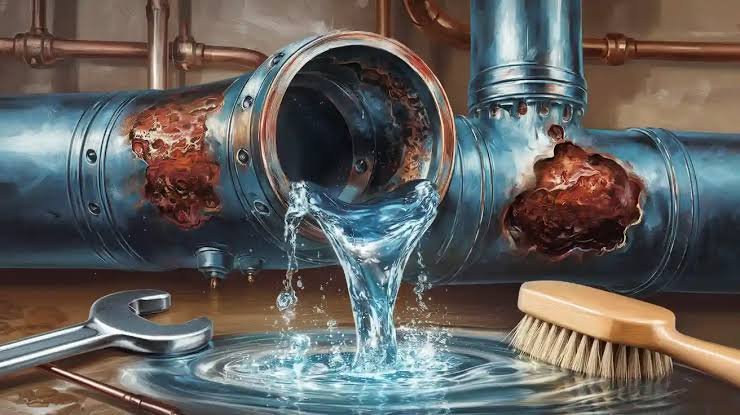
Sometimes the signs are small. A faint chlorine taste. White spots on glasses. Dry skin after showers. Rust-colored marks around drains. Maybe the water smells odd for a few seconds when the tap first comes on. These are not the kinds of problems that make people panic, but they do make you pause. Water should feel simple. When it doesn’t, it may be time to look a little closer.
Why Home Water Quality Is Personal
No two homes use water in exactly the same way. A family of five with laundry running every day has different needs than a couple in a smaller home. A house on a private well may face different issues than one connected to a municipal supply. Older plumbing, local water conditions, nearby agriculture, and even seasonal changes can all play a part.
Related storyUnderstanding Problem Water Systems: Practical Water Treatment Solutions for Everyday Water Problems
That’s why residential water treatment works best when it starts with testing, not guessing. A homeowner might think they need a filter because the water tastes strange, when the real issue is hardness, iron, chlorine, sediment, or something else entirely. A test gives the water a voice, in a way. It tells you what is actually present instead of leaving you to rely on smell, stains, or online product reviews.
Good water care should feel practical, not overwhelming. The goal is not to turn every homeowner into a chemist. It’s simply to understand the water well enough to choose the right solution.
The Everyday Problems Water Can Cause
Hard water is one of the most common household complaints. It leaves chalky buildup on faucets, cloudy marks on shower doors, and spots on dishes. Soap may not lather well, shampoo may feel less effective, and laundry can come out stiff. Over time, hardness minerals can also collect inside water heaters and appliances.
Then there are taste and odor issues. Chlorine can make water smell sharp or chemical-like. Sulfur may create that rotten-egg odor people notice most in hot water. Iron can leave reddish stains and sometimes a metallic taste. Sediment can make water look cloudy or leave particles behind.
Related storyChoosing the Right Water Treatment Installation Approach for Cleaner, Healthier Water at Home
Not every water issue is dangerous, of course. Some are more about comfort, appearance, appliance protection, or taste. Still, even “minor” problems can become expensive when they affect plumbing, fixtures, and equipment year after year.
Looking Beyond One Faucet
Some homeowners only think about drinking water from the kitchen sink, and that makes sense. It’s the water people drink, cook with, and give to children or pets. But water moves through the entire home. It affects showers, washing machines, dishwashers, ice makers, toilets, tubs, and water heaters.
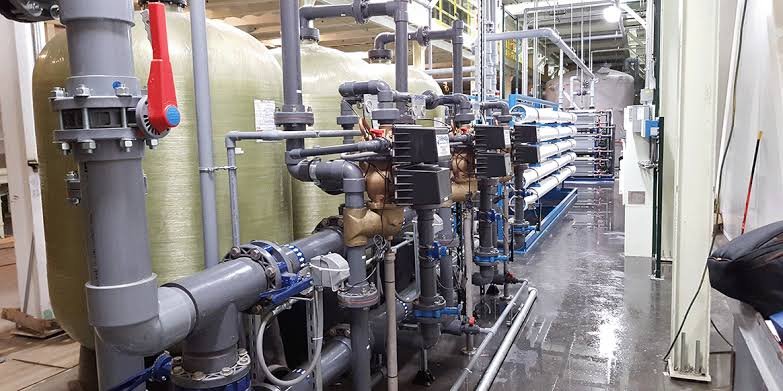
That’s where whole home water systems can be useful. Instead of treating water at just one tap, these systems are designed to address water as it enters the house. Depending on the test results, a whole-home setup may include a softener, carbon filtration, sediment filtration, iron treatment, or other equipment suited to the home’s water conditions.
This kind of approach can make daily life feel more consistent. Cleaner-looking fixtures, better-feeling showers, fewer stains, improved appliance protection — the benefits are not always dramatic in a flashy way, but they show up in everyday routines.
Related storyUnderstanding Household Water Problems and Why the Right Solution Matters
Drinking Water Deserves Special Attention
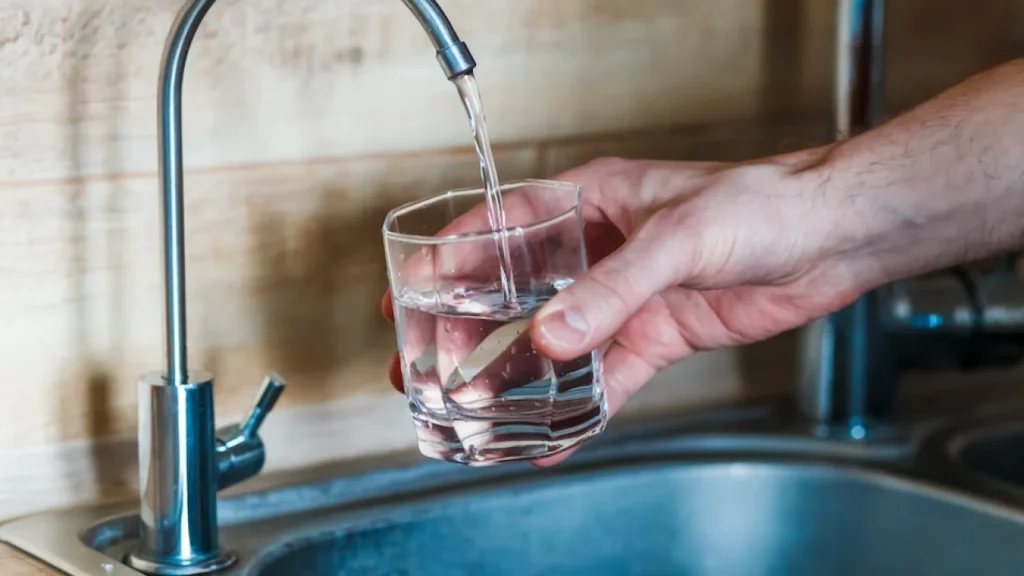
Even when the water throughout the home needs improvement, drinking water often gets its own focus. People want the water from the kitchen tap to taste clean and feel trustworthy. Nobody wants to keep buying bottled water because the tap has a weird aftertaste.
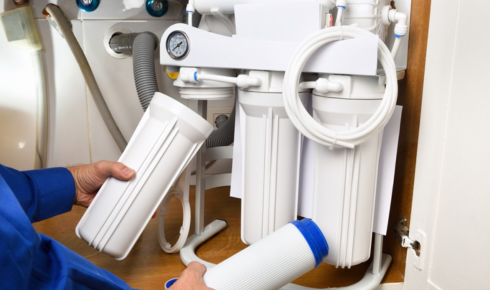
Modern drinking water solutions can include under-sink filtration, reverse osmosis systems, carbon filters, or other point-of-use options depending on what the water test shows. The right choice depends on the concern. Some systems are better for taste and odor. Others are designed to reduce specific dissolved substances. Some are compact and simple, while others are more advanced.
The key is matching the system to the actual water, not just picking the product with the nicest label. A good provider should explain what the system does, what it does not do, and how much maintenance it will need over time.
City Water and Well Water Both Need Care
Municipal water is treated before it reaches homes, which is a good thing. Still, water can travel through long lines and older neighborhood pipes before it enters your property. Once inside, home plumbing can affect quality too. That’s why some city-water homeowners still deal with taste, odor, hardness, or residue problems.
Related storyWhen Water Problems Start Showing Up Around the House: Understanding the Signs and Finding Solutions
Private wells are different because the homeowner is usually responsible for testing and maintenance. Well water may be affected by soil, rock, rainfall, runoff, nearby septic systems, or agricultural activity. A well that was fine years ago may change slowly over time.
In both cases, regular testing provides peace of mind. It helps you know whether your water needs treatment, whether an existing system is working properly, or whether nothing major needs to be done at all.
Choosing a System Without Getting Oversold
Water treatment should solve problems, not create confusion. Unfortunately, homeowners can feel pushed toward equipment they don’t fully understand. That’s not helpful.
Related storyWhy More Homeowners Are Choosing Reverse Osmosis for Better-Tasting Water
A thoughtful water specialist should begin with questions. What are you noticing? Are there stains? Does the water smell? Is it city water or well water? How many people live in the home? What appliances are being affected? Then, after testing, the recommendation should be clear and specific.
Sometimes a simple filter is enough. Sometimes a softener is the main need. Sometimes the home benefits from a combination system. The right answer is the one that fits the water, the budget, and the household.
Better Water Makes Home Feel Easier
Good water is not something people want to fuss over every day. It should just work. It should taste pleasant, rinse cleanly, protect appliances, and make ordinary routines feel a little smoother.
When water quality improves, people usually notice it in small ways. The shower feels better. The kettle stays cleaner. Glassware looks clearer. Laundry feels softer. Drinking from the tap becomes normal again. These are simple comforts, but they matter because they touch daily life.
In the end, better water starts with paying attention. Test first. Understand the results. Choose a system that actually fits your home. That’s the calm, sensible way to stop guessing and start enjoying water that feels cleaner, fresher, and easier to live with.