Hard water is one of those household problems that doesn’t always announce itself loudly. It usually starts with little annoyances. A chalky ring around the faucet. Spots on clean glasses. Soap that refuses to lather properly. Towels that feel a bit rough, even after a fresh wash.
At first, it’s easy to blame something else. Maybe the dishwasher is getting old. Maybe the detergent isn’t good. Maybe the shower cleaner isn’t strong enough. But often, the real problem is the water itself.
Hard water can move through a home quietly, leaving its mark on fixtures, appliances, laundry, skin, hair, and daily routines. It may not feel urgent, but over time it becomes one of those problems you keep cleaning around instead of actually solving.
Related storyHow to Stop Hard Water From Taking Over Your Home
What Hard Water Really Means
Hard water contains higher levels of minerals, mostly calcium and magnesium. These minerals are naturally picked up as water moves through rock, soil, and underground sources. They are not unusual, and in many homes, they are simply part of the local water supply.
The problem is what they do once they enter the house. When water dries, minerals can remain behind. That is the white crust around faucets, the cloudy film on shower glass, and the stubborn buildup inside kettles and coffee makers.
This is why many homeowners eventually look into water softeners as a practical way to reduce hardness and make daily water use easier.
Why Spots and Buildup Keep Coming Back
If you feel like you are always cleaning the same surfaces, hard water may be the reason. Bathrooms are usually the first place people notice it. Shower doors look cloudy. Chrome fixtures lose their shine. Tile develops a dull film. Kitchen sinks may show white residue even after being wiped down.
Related storyChoosing the Right Water Treatment Installation Approach for Cleaner, Healthier Water at Home
Over time, scale and spots can make a clean home look less clean than it really is. That’s the frustrating part. You may be doing everything right, using good cleaners and keeping up with chores, but the water keeps leaving evidence behind.
Softening the water can help reduce this repeated buildup, making surfaces easier to maintain and fixtures nicer to look at.
The Minerals Behind the Mess
The main troublemakers in hard water are hardness minerals like calcium and magnesium. When heated or left to dry on surfaces, they can form scale. Inside a water heater, that scale may collect over time and force the unit to work harder. In pipes and fixtures, it can reduce flow or create stubborn deposits.
You may also notice these minerals in laundry. Clothes can feel stiff. Towels may lose their softness. Whites may look dull faster than expected. Even soap and shampoo can behave differently because hard water makes it harder for them to rinse cleanly.
It’s not just a cleaning issue. It is a comfort issue too.
How Soft Water Changes Daily Life
Softened water often feels different right away. Soap lathers more easily. Shampoo rinses better. Skin may feel less tight after a shower. Laundry can feel softer. Dishes may come out clearer.
Related storyA Smarter Environmental Choice for Water Treatment Starts With Managing Hard Water
Some people are surprised by how noticeable the change is. It isn’t dramatic in a flashy way, but it affects ordinary routines. Washing your hands feels smoother. Cleaning the shower takes less effort. The coffee maker doesn’t build up scale as quickly. These are small things, yes, but small things matter when they happen every day.
Good water treatment is rarely about luxury. More often, it’s about removing daily friction.
Appliances Feel the Difference Too
Water heaters, dishwashers, washing machines, coffee makers, and ice makers all rely on water. When that water is hard, minerals can collect inside components over time. That buildup may affect performance, efficiency, and lifespan.
Related storyHow Modern Water Softeners Make Hard Water Easier to Manage
A dishwasher may struggle to leave glasses clear. A water heater may use more energy as scale builds inside the tank. A washing machine may not rinse clothes as effectively. A coffee maker may need descaling more often than it should.
A softener cannot prevent every appliance problem, of course. But reducing hardness can help appliances operate under better conditions, which is good common sense for the long run.
Softening and Filtration Are Not the Same
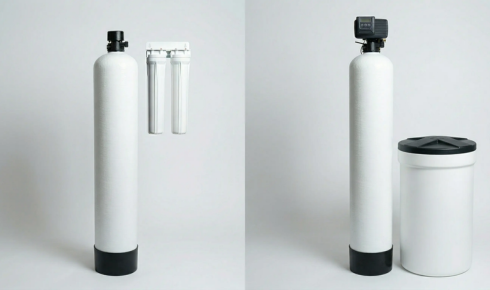
This is an important distinction. A water softener is designed mainly to address hardness minerals. It does not do the same job as a drinking-water filter or whole-home filtration system.
Related storyUnderstanding Problem Water Systems: Practical Water Treatment Solutions for Everyday Water Problems
If the water smells like chlorine, tastes unpleasant, or contains sediment, filtration may also be needed. If the main issue is scale, spots, and soap not working well, softening may be the better starting point.
Many homes benefit from a combination of systems. A softener can reduce hardness, while filtration can improve taste, odor, or clarity. The right setup depends on testing, not guessing.
Testing First Saves Frustration
Before choosing any equipment, it is smart to test the water. Hardness levels can vary widely, even between nearby neighborhoods. One home may have mild hardness, while another may deal with heavy scale and frequent buildup.
A water test gives a clearer picture of what is actually happening. From there, a provider can recommend the right system size, settings, and maintenance plan.
Without testing, homeowners may end up buying a product that is too small, too large, or simply not designed for their real problem.
Maintenance Should Stay Simple
Salt-based softeners need salt. That sounds obvious, but it is easy to forget until the water starts feeling hard again. The brine tank should be checked regularly, and the system may need occasional service to make sure settings and valves are working properly.
A good installer should explain how often to add salt, what type to use, and what signs suggest the system needs attention. If the process is clear, maintenance becomes just another small home habit.
The goal is not to create more work. The goal is to make the rest of the home easier to care for.
Final Thoughts
Hard water can be annoying because it touches so many parts of daily life. It affects cleaning, bathing, laundry, dishes, appliances, and the look of fixtures. You may not notice it all at once, but once you understand the signs, they are hard to miss.
A properly sized softener can reduce mineral buildup and make water feel better throughout the home. The best approach starts with a water test, clear recommendations, and a system that fits the household’s actual needs.
Good water should not make every chore harder. It should help the home feel cleaner, softer, and easier to live in.