Water Should Taste Fresh—Not Leave You Guessing
Most of us don’t spend much time thinking about water until something feels a little… off. Maybe your morning coffee suddenly tastes bitter, your ice cubes carry a strange odor, or your tap water has a lingering aftertaste that makes you reach for bottled water instead. It’s funny how something we use dozens of times a day can quietly shape our daily routines without us even noticing.
The truth is, water quality varies from one neighborhood to another and sometimes even from one house to the next. Municipal treatment plants do an important job, but water can still collect minerals, chlorine, sediment, or other impurities as it travels through aging pipes before it reaches your kitchen faucet.
That’s why more families are starting to pay closer attention to what’s actually flowing into their homes.
Related storyWhy Water Purity Matters More in Commercial and Specialized Applications
Understanding What Reverse Osmosis Really Does
Reverse osmosis sounds like a complicated scientific term, but the basic idea is surprisingly simple.
Water is pushed through a specialized membrane with microscopic pores that block many unwanted contaminants while allowing clean water molecules to pass through. The process removes a wide variety of dissolved solids, heavy metals, salts, and other impurities that traditional filters may not fully capture.
It’s not magic, and it certainly isn’t a one-size-fits-all solution. Instead, it’s a carefully engineered method that’s been trusted for decades in homes, laboratories, healthcare facilities, and commercial settings where water purity matters.
Related storyUnderstanding Problem Water Systems: Practical Water Treatment Solutions for Everyday Water Problems
For homeowners, the biggest difference is often something they notice immediately—the taste.
Why Taste Matters More Than People Think
When water tastes better, people naturally drink more of it.
It sounds obvious, yet it’s easy to overlook. Many families who install improved filtration systems find themselves reaching for tap water instead of bottled drinks. Coffee develops a smoother flavor. Tea becomes clearer. Soups, pasta, and even homemade bread can benefit because water is such a fundamental ingredient.
Related storyWhy Better Water Makes Everyday Life Feel Easier
Sometimes the improvement isn’t dramatic. It’s simply that the unpleasant flavors disappear, allowing everything else to taste the way it’s supposed to.
That’s a small change with surprisingly big everyday benefits.
Finding the Right reverse osmosis water filter
Not every filtration system is designed the same way, and that’s an important detail.
Choosing the right reverse osmosis water filter depends on your home’s water quality, household size, available space, and overall goals. Some homeowners only want purified drinking water from a dedicated kitchen faucet, while others prioritize cooking water or ice makers as well.
Professional water testing often provides valuable guidance before selecting equipment. Rather than guessing which system might work, testing identifies what’s actually present in the water so the solution matches the problem.
Related storyWhy Reliable Water Systems Are Becoming a Smart Investment for Modern Businesses
That approach usually delivers better long-term results and prevents unnecessary spending.
One Home’s Water Isn’t the Same as Another’s
Water conditions vary far more than most people realize.
A family using well water may deal with iron, sulfur odors, or elevated mineral content. Homes connected to municipal supplies might be more concerned about chlorine taste, disinfectant byproducts, or aging infrastructure.
Related storyChoosing the Right Water Treatment Installation Approach for Cleaner, Healthier Water at Home
Even neighboring communities can experience completely different water characteristics.
Because of this, water treatment shouldn’t rely on assumptions. Understanding the source and composition of your water makes it much easier to choose equipment that actually addresses your home’s specific needs.
That’s one reason personalized recommendations continue gaining popularity among homeowners.
Why Modern reverse osmosis systems Are More Efficient
Years ago, reverse osmosis equipment sometimes had a reputation for being bulky or slow. Thankfully, technology has come a long way.
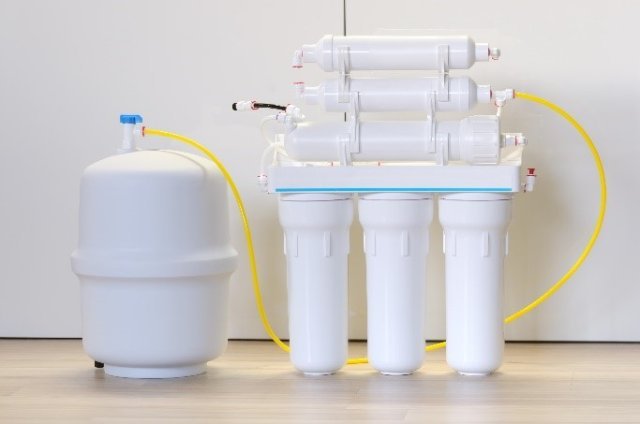
Today’s reverse osmosis systems are significantly more compact, efficient, and easier to maintain than many older models. Improved membranes, larger storage options, faster production rates, and simplified filter replacements have made these systems much more practical for everyday households.
Many modern units are designed to fit neatly beneath a kitchen sink without taking up excessive space. Routine maintenance is also straightforward, making long-term ownership much less intimidating than many people expect.
Like most home improvements, choosing quality equipment and following recommended maintenance schedules helps ensure reliable performance for years.
The Environmental Benefit People Often Forget
One unexpected advantage of home water filtration is the reduction in single-use plastic bottles.
Families who enjoy their tap water are often far less likely to purchase bottled water every week. Over time, that means fewer plastic containers entering recycling bins—or worse, ending up in landfills.
It’s a relatively simple lifestyle change that supports both household convenience and environmental responsibility.
While bottled water certainly has its place during travel or emergencies, relying on reusable bottles filled at home is often the more sustainable choice.
Little habits really do add up.
Investing in cleaner drinking water Every Day
Home improvements usually focus on things people can see—fresh paint, updated flooring, or new furniture. Water quality is different because the benefits are experienced rather than displayed.
Investing in cleaner drinking water can improve everyday routines in subtle but meaningful ways. Cooking becomes more enjoyable. Cold beverages taste fresher. Ice cubes remain clear. Even pets often benefit from consistently filtered water.
Perhaps most importantly, families gain confidence in what they’re consuming each day without constantly questioning whether the water could taste or perform better.
That confidence is difficult to assign a dollar value to, but many homeowners consider it one of the most rewarding parts of upgrading their water quality.
Looking Beyond the Kitchen Faucet
Although drinking water receives most of the attention, good water quality influences many other parts of the home.
Appliances that use water may perform more efficiently when excessive minerals are reduced. Coffee machines often require less frequent descaling. Electric kettles stay cleaner. Some households even notice improvements in cooking results because unwanted tastes no longer interfere with ingredients.
It’s easy to think of water filtration as a single-purpose upgrade, yet its effects quietly reach into dozens of everyday activities.
The difference isn’t flashy. It’s simply consistent.
Better Water Is an Investment in Everyday Living
There isn’t a perfect filtration system for every household, and there doesn’t need to be.
The best solution is the one that fits your home’s specific water conditions, your family’s daily habits, and your long-term expectations. Reverse osmosis has become increasingly popular not because it’s trendy, but because it consistently delivers dependable results for people who want better-tasting, higher-quality water at home.
At the end of the day, clean water supports almost everything we do—from making breakfast to filling a glass before bed. When something that simple improves, daily life feels just a little easier.
Sometimes the smartest home upgrades aren’t the most visible ones. They’re the ones you appreciate every single day, one refreshing glass at a time.