Clean water is something most people don’t think about until there’s a problem. A strange taste in your morning coffee, white spots on your dishes, dry skin after a shower, or an unusual smell coming from the tap can all be small signs that your water quality isn’t as good as it should be. While water may look perfectly clear, it can still contain minerals, chemicals, or other unwanted elements that affect your daily life.
Every home has different water challenges. A family using well water may face completely different issues than someone connected to a municipal supply. That’s why choosing the right solution isn’t just about buying a filter from a store shelf. It’s about understanding what’s actually in your water and finding a system that matches your needs.
Understanding Your Home’s Water Quality Before Making a Decision
Before installing any treatment equipment, it’s important to know what you’re trying to solve. Many homeowners make the mistake of choosing a system based only on a common problem they’ve heard about. For example, hard water is often blamed for everything from cloudy glasses to dry hair, but there could be other concerns involved too.
Related storyUnderstanding Problem Water Systems: Practical Water Treatment Solutions for Everyday Water Problems
A proper water test can reveal the presence of minerals like calcium and magnesium, chlorine, iron, bacteria, sediment, or other contaminants. Once the water profile is clear, selecting the right treatment method becomes much easier.
Some homes may only need a basic filtration upgrade, while others might benefit from a complete whole-house solution. The goal isn’t to add unnecessary equipment — it’s to create a reliable setup that improves water quality without wasting money.
Why Professional Installation Makes a Difference
Water treatment equipment may look simple from the outside, but proper installation requires knowledge of plumbing connections, water pressure, drainage requirements, and system settings. A poorly installed unit may not perform correctly, and in some cases, it can even create additional problems.
Related storyA Smarter Environmental Choice for Water Treatment Starts With Managing Hard Water
Choosing professional installation services helps ensure that your equipment is placed correctly and adjusted according to your home’s specific requirements. A trained installer can identify potential issues before they become expensive repairs, whether it’s an incorrect connection, poor placement, or compatibility concerns with your existing plumbing.
Many homeowners also appreciate the convenience factor. Instead of spending weekends watching tutorials and trying to figure out complicated instructions, they can have the system installed properly and start enjoying cleaner water sooner.
Exploring Different Water Treatment Options
There isn’t one universal solution that works for every household. Modern water treatment systems are designed to handle different challenges, from improving taste and odor to reducing harmful contaminants.
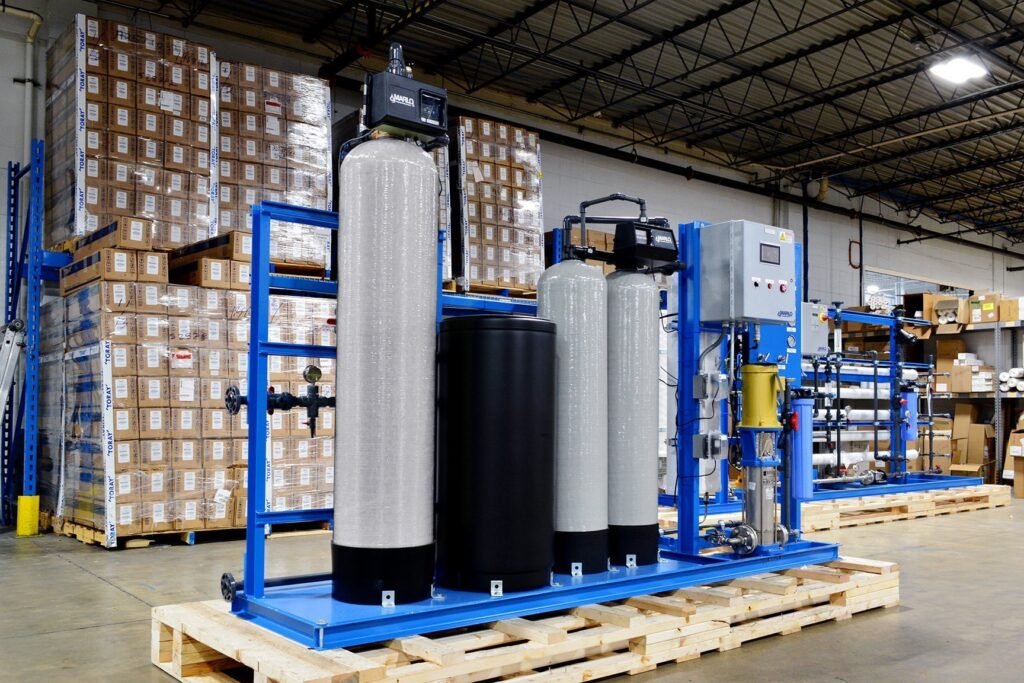
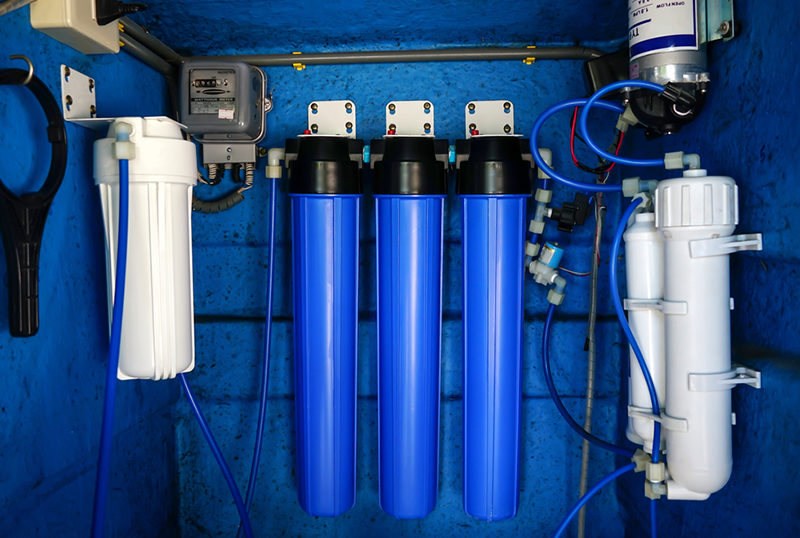
Water softeners are popular for homes dealing with hard water because they help reduce scale buildup in pipes, water heaters, and appliances. Reverse osmosis systems are often chosen for drinking water because they provide an extra level of purification by reducing many dissolved substances.
Whole-house filtration systems are another common option, especially for families who want better water quality throughout the home instead of only at one faucet. These systems can help improve water used for bathing, cooking, cleaning, and drinking.
Related storyWhy Water Purity Matters More in Commercial and Specialized Applications
The right choice depends on factors such as water source, household size, budget, and long-term maintenance expectations. A smaller home may need something simple, while a larger property with complex water issues might require a more advanced setup.
The Importance of Maintenance After Installation
Installing a treatment system is only the beginning. Like any equipment in your home, it needs regular care to continue working efficiently. Filters need replacement, tanks may require inspection, and some components need occasional adjustment.
Ignoring maintenance can reduce performance and shorten the lifespan of the system. In some cases, homeowners don’t realize their system isn’t working properly until water quality problems return.
Related storyWhy Better Water Makes Everyday Life Feel Easier
A good maintenance routine doesn’t have to be complicated. Keeping track of filter changes, scheduling inspections, and paying attention to changes in water taste or pressure can prevent bigger issues later.
Working with experienced technicians can make ongoing maintenance much easier. Professionals can check system performance, replace worn parts, and recommend improvements when your household’s water needs change over time.
Making a Smart Investment for Your Home
Water treatment is not just about convenience; it’s also about protecting your home and your family’s everyday comfort. Better water quality can help extend the life of appliances, reduce plumbing problems, and create a healthier environment.
For many homeowners, the investment pays off in small ways that add up. Softer laundry, cleaner fixtures, better tasting drinking water, and fewer concerns about what comes from the tap can make a noticeable difference.
Related storyHow Modern Water Softeners Make Hard Water Easier to Manage
However, it’s important to avoid choosing a system based only on price. The cheapest option may not always provide the results you need, and an oversized system can create unnecessary expenses. A balanced approach — focusing on water testing, quality equipment, and proper installation — usually delivers the best long-term value.
Final Thoughts on Finding the Right Water Solution
Every home has its own water story. Some households struggle with hardness, others deal with unpleasant odors, and some simply want an extra layer of protection for their drinking water. The best solution starts with understanding the problem rather than guessing.
A carefully selected treatment system, combined with proper installation and regular care, can provide cleaner and more reliable water for years. Taking the time to evaluate your needs today can prevent frustration tomorrow.
After all, water is something your family uses every single day. Making sure it’s clean, safe, and enjoyable is one of those home improvements that quietly makes life better.