For many homes and properties, getting dependable water isn’t as simple as turning on a faucet and assuming everything behind the wall will take care of itself. If your water comes from a private well, the system has to draw water from underground, move it through pipes, maintain pressure, and deliver it where it’s needed. When one part starts struggling, you’ll usually notice it quickly — weak showers, cycling pumps, cloudy water, or a faucet that seems to take forever to run properly.
That’s why understanding well & groundwater systems can be surprisingly useful, even if you’re not the person who plans to repair them yourself. Knowing what the major components do makes it easier to spot problems early and make sensible decisions about maintenance or replacement.
How a Groundwater System Works
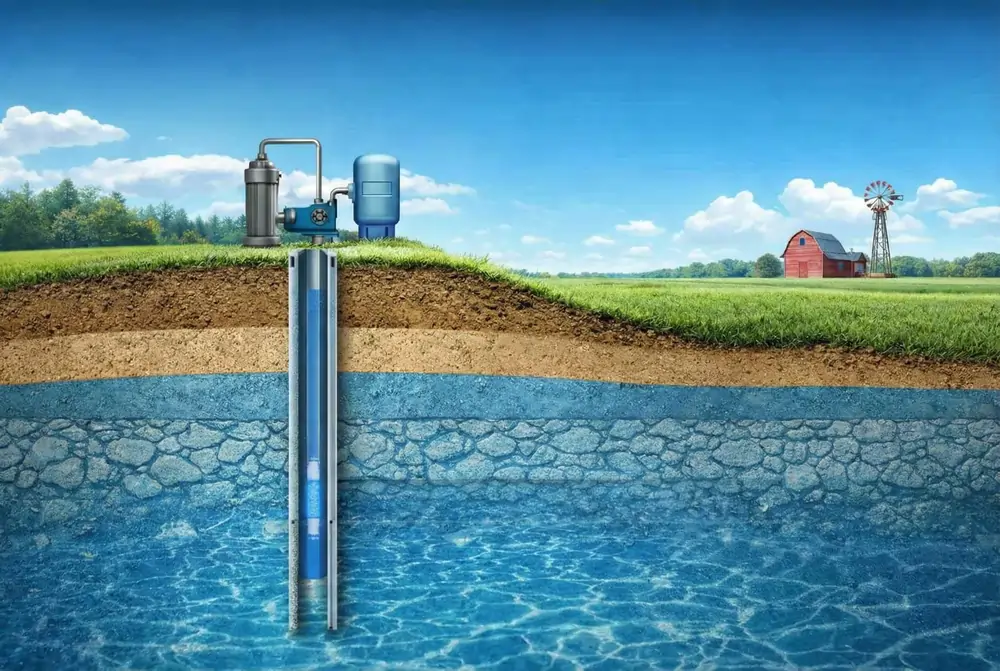
A private well system begins below the ground. A drilled or dug well provides access to an underground water source, while a pump brings that water to the surface. From there, water typically travels through a pressure tank and a network of plumbing before reaching household fixtures.
It sounds straightforward, but there are several moving pieces involved.
The pump needs to deliver enough water for normal household demand. The pressure tank helps regulate water pressure and reduces the need for the pump to start every time someone opens a faucet. Pressure controls tell the pump when to switch on and off, while pipes and valves direct water throughout the property.
The quality and availability of groundwater can also vary. Seasonal changes, drought, nearby construction, or changes in the water table may affect how a well performs. A system that worked perfectly for years can sometimes develop issues without much warning.
The Main Components You Should Know
You don’t need to become a well technician, but knowing the basics can save you some confusion when something goes wrong.
Common components include:
- Well casing and well screen
- Submersible or jet pump
- Pressure tank
- Pressure switch
- Check valves
- Electrical controls
- Well piping
- Shutoff valves
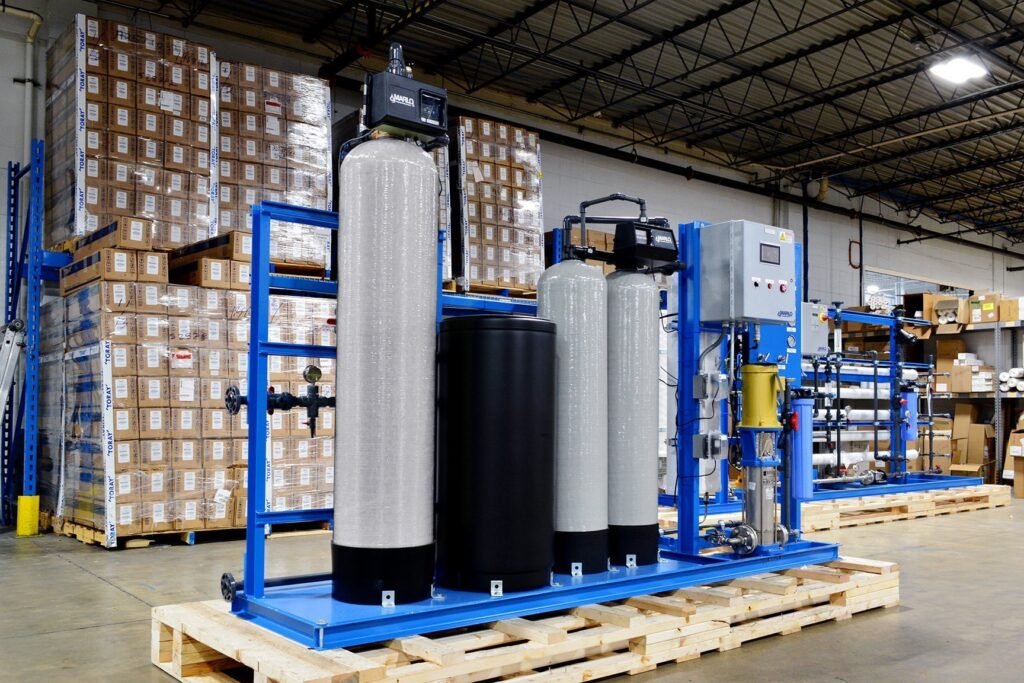
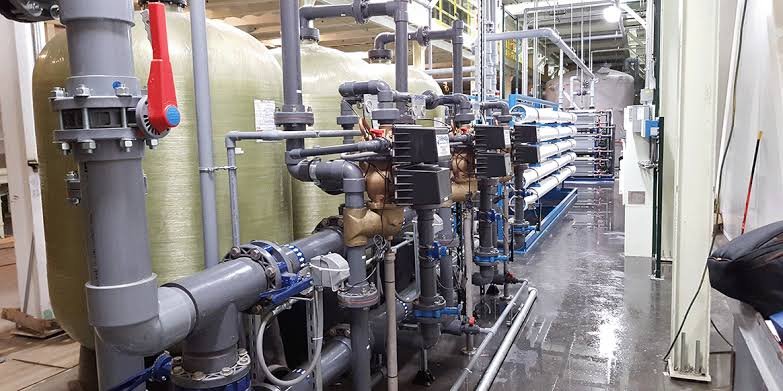
- Filtration or water treatment equipment
Each component has a specific job. For example, a pressure switch monitors system pressure and signals the pump to start or stop. A check valve helps prevent water from flowing backward toward the well.
Related storyWhy Water Purity Matters More in Commercial and Specialized Applications
Then there’s the collection of ground water parts that work together below and above the surface. Some are easy to see, while others are buried or installed inside equipment cabinets, which can make diagnosing a problem a little tricky.
Why Water Pressure Matters So Much
Most people don’t think about water pressure until it disappears.
You turn on the shower and get a disappointing trickle. Someone starts the washing machine, and suddenly the kitchen faucet barely produces water. These aren’t just annoying little inconveniences. They can point to an issue with the pump, pressure tank, plumbing, or overall well performance.
Pressure is influenced by several factors, including the pump’s capacity, the pressure switch settings, tank condition, pipe size, and household water demand.
Related storyWhy Reliable Water Systems Are Becoming a Smart Investment for Modern Businesses
Some properties benefit from constant pressure systems, which are designed to maintain more consistent water pressure as demand changes. Instead of allowing pressure to rise and fall within a traditional range, these systems can adjust pump operation to better match water usage.
For larger homes or properties with multiple bathrooms, irrigation needs, or changing water demands, consistent pressure can make everyday water use feel much more comfortable.
Signs Your Well System May Need Attention
Well problems don’t always announce themselves dramatically. Sometimes the warning signs are subtle.
You might notice:
- Water pressure that fluctuates throughout the day
- A pump that turns on and off too frequently
- Unusual noises near the pressure tank
- Air or sputtering from faucets
- Discolored or cloudy water
- A sudden drop in available water
- Higher-than-normal electrical use
- Water that smells unusual
A pump that cycles repeatedly, for instance, may indicate a pressure tank issue or another problem in the system. Likewise, a sudden loss of pressure shouldn’t automatically be blamed on the well itself. A failing pump, blocked filter, leaking pipe, or faulty pressure switch could be responsible.
Related storyChoosing the Right Water Treatment Installation Approach for Cleaner, Healthier Water at Home
That’s where proper diagnosis matters. Replacing the wrong component can be an expensive way to learn what wasn’t broken in the first place.
Choosing the Right Pump
Pump selection depends heavily on the property and well characteristics. There isn’t one pump that works perfectly for every situation.
A technician may consider well depth, static water level, recovery rate, pipe diameter, desired flow rate, and elevation changes before recommending equipment. A shallow well may use a different setup than a deep drilled well, while larger properties can require higher-capacity equipment.
Related storyA Smarter Way to Understand the Water Flowing Through Your Home
Submersible pumps are commonly installed inside deeper wells, where they push water upward toward the home. Jet pumps, on the other hand, are generally used in shallower applications and operate differently.
The important thing is matching the pump to the actual conditions. Bigger isn’t automatically better. An oversized pump can create unnecessary cycling and stress, while an undersized pump may struggle to meet household demand.
Don’t Forget Water Quality
Having enough water is only half the story. You also want water that is suitable for drinking, cooking, bathing, and other household uses.
Groundwater can contain naturally occurring minerals and, depending on the local environment, other contaminants. Hard water, iron, manganese, sulfur-related odors, sediment, and other concerns may affect water quality.
Testing is the best place to start. Instead of guessing which treatment system you need, a water analysis can identify what is actually present. From there, filtration, softening, disinfection, or other treatment methods can be considered.
This approach also prevents a common mistake: buying an expensive treatment system simply because someone said it worked for their neighbor. Two wells only a short distance apart can have noticeably different water chemistry.
Maintenance Is Cheaper Than Panic
Well systems aren’t maintenance-free, although they can provide years of dependable service when looked after properly.
Periodic inspections can help identify pressure problems, electrical issues, leaks, tank problems, or declining pump performance before they become major failures. Water quality testing should also be performed when appropriate, especially if there are changes in taste, odor, appearance, or household circumstances.
It’s worth keeping basic records, too. Note the pump installation date, pressure settings, water test results, and any repairs. Years later, those details can be incredibly helpful to a technician trying to understand the system’s history.
And if the pump suddenly stops working, don’t keep resetting switches or experimenting with electrical components unless you know exactly what you’re doing. Water systems and electricity are not a great combination for guesswork.
Reliable System Starts With Understanding
A private well can be one of the most valuable parts of a property, quietly supplying water day after day. But like any mechanical system, it needs the right equipment, sensible maintenance, and a little attention when something changes.
Understanding how the pump, pressure tank, controls, plumbing, and water treatment components work together gives you a much better starting point when problems appear. More importantly, it helps you distinguish between a minor adjustment and a problem that deserves professional attention.
Good groundwater management isn’t about constantly worrying over your well. It’s almost the opposite. With the right equipment and regular care, you can stop thinking about the system so much — and simply turn on the faucet knowing the water will be there.