There’s something satisfying about pouring a glass of water straight from the kitchen tap and knowing it’s fresh, clean, and ready to drink. No plastic bottles stacked in the pantry. No bulky pitchers taking up refrigerator space. Just reliable drinking water whenever you need it.
For many homeowners, that convenience is exactly why under-sink filtration has become so popular. It offers a practical way to improve drinking water without changing the look of the kitchen or adding another appliance to the countertop. Better yet, modern systems are designed to fit seamlessly into everyday life. Once they’re installed, most people simply forget they’re there—until they notice how much better their water tastes.
If you’re thinking about improving the quality of your drinking water, an under-sink system is one option that’s worth understanding before making a decision.
Related storyWhy More Homeowners Are Choosing Reverse Osmosis for Better-Tasting Water
Why Kitchen Water Deserves Special Attention
Water flows throughout the entire home, but the kitchen is where it matters most.
It’s where families fill reusable bottles before work or school, brew coffee each morning, prepare baby formula, rinse fruits and vegetables, boil pasta, and make soup from scratch. Every meal begins with water in one form or another.
Even if your local municipal supply meets drinking water standards, minerals, chlorine, sediment, and other compounds can still influence taste and odor. Those small differences become surprisingly noticeable when water is used in cooking and beverages every day.
Related storyUnderstanding Problem Water Systems: Practical Water Treatment Solutions for Everyday Water Problems
Improving kitchen water often has a bigger impact than homeowners initially expect.
What Makes an Under-Sink Filter Different?
Unlike countertop pitchers or faucet attachments, an under-sink water filter is installed discreetly beneath the kitchen sink and connects directly to the water line.
That means filtered water is available instantly through a dedicated faucet or, in some systems, directly through your existing kitchen faucet. Because the filtration equipment stays hidden inside the cabinet, the kitchen maintains a clean, uncluttered appearance.
Another advantage is capacity. Under-sink systems generally process more water and require less frequent maintenance than smaller portable filters, making them a practical solution for busy households.
It’s a simple upgrade that quietly improves daily life without demanding constant attention.
Related storyWhy Reliable Water Systems Are Becoming a Smart Investment for Modern Businesses
Better Water Improves More Than Drinking
Most people install filtration because they want cleaner drinking water, but the benefits don’t stop there.
Coffee develops a smoother flavor because unwanted chemical tastes are reduced. Tea allows its natural aroma to shine through. Ice cubes become clearer and fresher, while homemade soups and sauces taste more balanced.
Fresh produce also benefits. Washing vegetables and fruits with filtered water provides extra confidence before meals are prepared.
Related storyA Smarter Environmental Choice for Water Treatment Starts With Managing Hard Water
These improvements aren’t dramatic in isolation, but together they make cooking and dining noticeably more enjoyable.
Choosing the Right System Matters
Not every home has the same water characteristics.
Some households primarily notice chlorine taste, while others deal with sediment, elevated mineral content, or naturally occurring contaminants. That’s why choosing the right filtration system starts with understanding your water rather than simply purchasing the most popular product online.
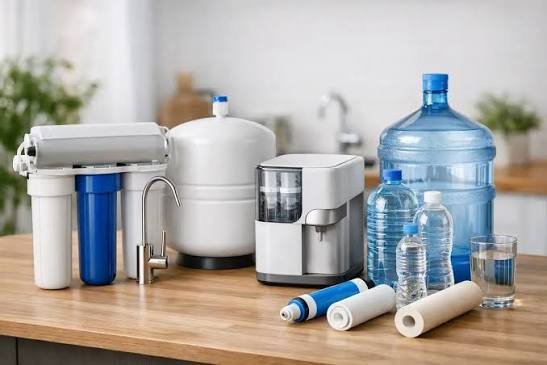
Today’s under-sink drinking water solutions are available in several configurations, including activated carbon filtration, multi-stage filtration, reverse osmosis, and combinations of multiple technologies.
Each system serves a different purpose, and matching the equipment to your home’s specific water profile usually delivers the best long-term performance.
Related storyWhy Water Purity Matters More in Commercial and Specialized Applications
Professional water testing can eliminate much of the guesswork before making an investment.
Understanding Reverse Osmosis
Among residential drinking water systems, reverse osmosis has earned a strong reputation for comprehensive purification.
Unlike standard filters that primarily improve taste and odor, reverse osmosis drinking water systems use a specialized membrane capable of reducing a wide range of dissolved substances that may be present in household water.
Water passes through several treatment stages before reaching the dedicated drinking faucet, producing water that many homeowners describe as crisp, clean, and refreshing.
Reverse osmosis is particularly appealing for families who want an additional level of purification for drinking and cooking without installing a whole-house treatment system.
However, every home’s needs are different, so it’s worth evaluating whether reverse osmosis matches your local water conditions.
Maintenance Is Easier Than Many Expect
One common concern is whether under-sink filtration systems require constant maintenance.
Fortunately, most modern systems are designed with convenience in mind.
Filter cartridges typically need replacement only at recommended intervals based on water usage and manufacturer guidelines. Many newer systems include indicators that remind homeowners when it’s time for routine maintenance.
Replacing cartridges generally takes only a few minutes, and keeping the system maintained helps ensure consistent performance year after year.
Like changing your HVAC filter or smoke detector batteries, it quickly becomes another simple household routine.
Saving Money Over Time
Buying bottled water may seem inexpensive at first, but the costs quietly add up.
A family purchasing bottled water every week can easily spend hundreds—or even thousands—of dollars over several years. That’s before considering the environmental impact of single-use plastic bottles.
An under-sink filtration system offers an alternative that provides fresh drinking water directly from the tap while significantly reducing ongoing bottled water purchases.
For many homeowners, that convenience alone makes the investment worthwhile.
A Cleaner Kitchen Experience
One overlooked benefit of under-sink systems is how they simplify the kitchen itself.
Countertops remain uncluttered because there’s no need for bulky filtration pitchers. Refrigerator shelves gain extra space. Filling reusable bottles becomes faster, and preparing meals feels more efficient.
These practical improvements may sound minor, but they contribute to a smoother daily routine—especially for busy families who spend plenty of time in the kitchen.
Sometimes the best home upgrades are the ones that quietly make everyday tasks easier without drawing attention to themselves.
Final Thoughts
Improving your home’s drinking water doesn’t always require a complicated renovation or a large whole-house filtration system. For many families, an under-sink filtration system provides the perfect balance of convenience, performance, and value.
Whether your goal is better-tasting coffee, cleaner ice, greater confidence in the water your family drinks, or reducing reliance on bottled water, choosing the right under-sink solution can make a noticeable difference every single day.
The key is understanding your home’s unique water conditions, selecting a filtration system designed to address those needs, and maintaining it properly over time. Once that’s done, you’ll probably stop thinking about your water altogether—and that’s often the best sign you’ve made the right choice.