There’s something wonderfully convenient about bottled water. Grab one from the refrigerator, toss it into your bag, and you’re done. No questions, no waiting. But if you drink bottled water every day, the cost adds up quickly—and so does the pile of empty plastic bottles.
That naturally raises another question: can your home’s tap water be made good enough that you actually want to drink it?
For many households, the answer is yes. The key isn’t simply choosing the most expensive filter. It’s understanding your water source, testing what’s in it, and selecting treatment technology that addresses the issues that matter.
Related storyWhy Water Purity Matters More in Commercial and Specialized Applications
Start With What’s Actually in Your Water
Before comparing filtration systems, learn what you’re working with.
Municipal water is treated before reaching your home, but its taste and characteristics can still vary. Private well water can be even more unpredictable because groundwater chemistry depends heavily on local geology and environmental conditions.
A water test may examine factors such as hardness, pH, chlorine, iron, sediment, total dissolved solids, and other contaminants. Not every test checks for everything, so the right testing depends on your water source and concerns.
Related storyA Smarter Environmental Choice for Water Treatment Starts With Managing Hard Water
This first step is easy to overlook. People often buy a filter because a friend recommended it or because an advertisement says it removes “hundreds of contaminants.” But if you don’t know what your water contains, it’s difficult to know whether you’re buying something useful or simply expensive.
How Reverse Osmosis Fits In
For households looking for additional treatment for drinking and cooking water, reverse osmosis systems can be an interesting option.
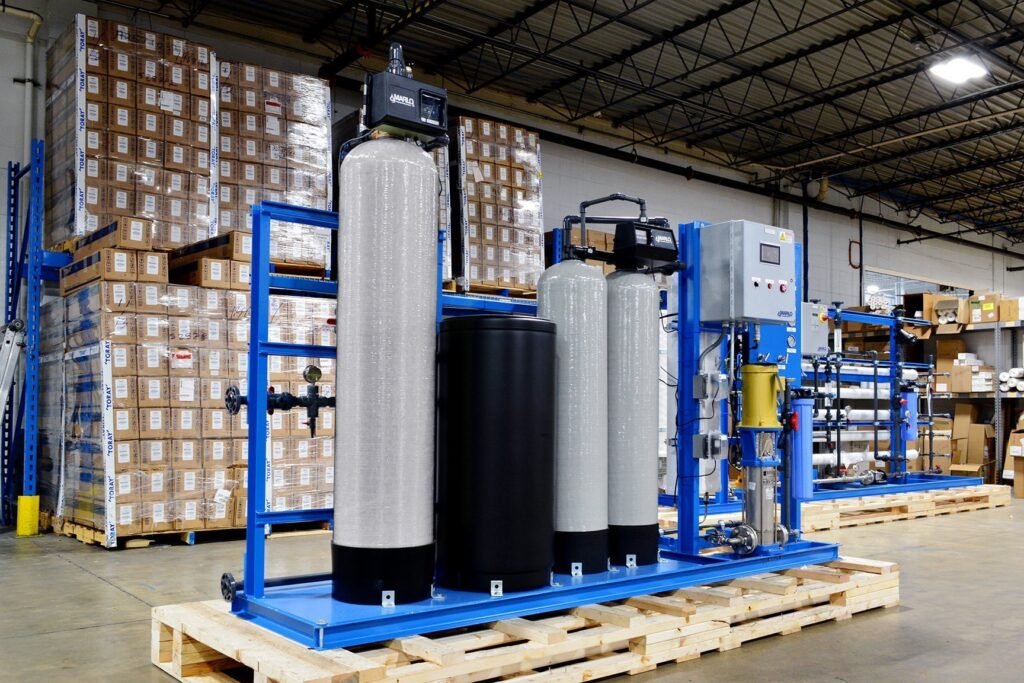
Reverse osmosis uses pressure to push water through a semipermeable membrane. The membrane can reduce many dissolved substances, making the technology useful when particular contaminants or dissolved solids are a concern.
These systems are often installed under the kitchen sink with a dedicated drinking-water faucet.
Related storyWhy More Homeowners Are Choosing Under-Sink Water Filtration for Everyday Peace of Mind
Still, reverse osmosis isn’t a magic button. It requires filter and membrane maintenance and can produce wastewater during the treatment process. Depending on the water and the household’s goals, another filtration method may be sufficient.
That’s why testing first is such a useful habit. You want to know what you’re trying to remove before choosing the technology.
Is Bottled Water Really the Better Choice?
Bottled water has a reputation for being automatically cleaner, but the reality is more nuanced.
Related storyUnderstanding Well & Groundwater Systems: Parts, Pressure, and Reliable Water Flow
Bottled water quality can vary by brand and source, and bottled water still has to meet applicable safety requirements. However, buying bottles every day can become expensive, particularly for larger households.
Then there’s convenience in the other direction. With a reliable home filtration system, you can fill a reusable bottle whenever you want. No trip to the store. No forgotten case of water sitting in the trunk. No overflowing recycling bin every few days.
Over months and years, those small conveniences matter.
Of course, if your household water has a known contamination issue, don’t simply assume a basic filter will make it safe. Choose treatment based on actual test results and the capabilities of the equipment.
The Taste Test Is More Important Than People Admit
Even when tap water meets safety standards, taste can influence whether people drink it.
Related storyUnderstanding Problem Water Systems: Practical Water Treatment Solutions for Everyday Water Problems
Chlorine is a common example. It may be used during municipal water treatment, but some people dislike the resulting taste or smell.
Carbon filtration can help reduce chlorine and certain compounds that affect taste and odor. Other treatment technologies may be appropriate depending on the water chemistry.
This is where personal preference comes into play. Two households can have the same water quality but very different opinions about how it tastes.
If everyone in your house avoids the tap because of its flavor, improving taste could make a bigger difference than you expect.
What “Straight From the Tap” Really Means
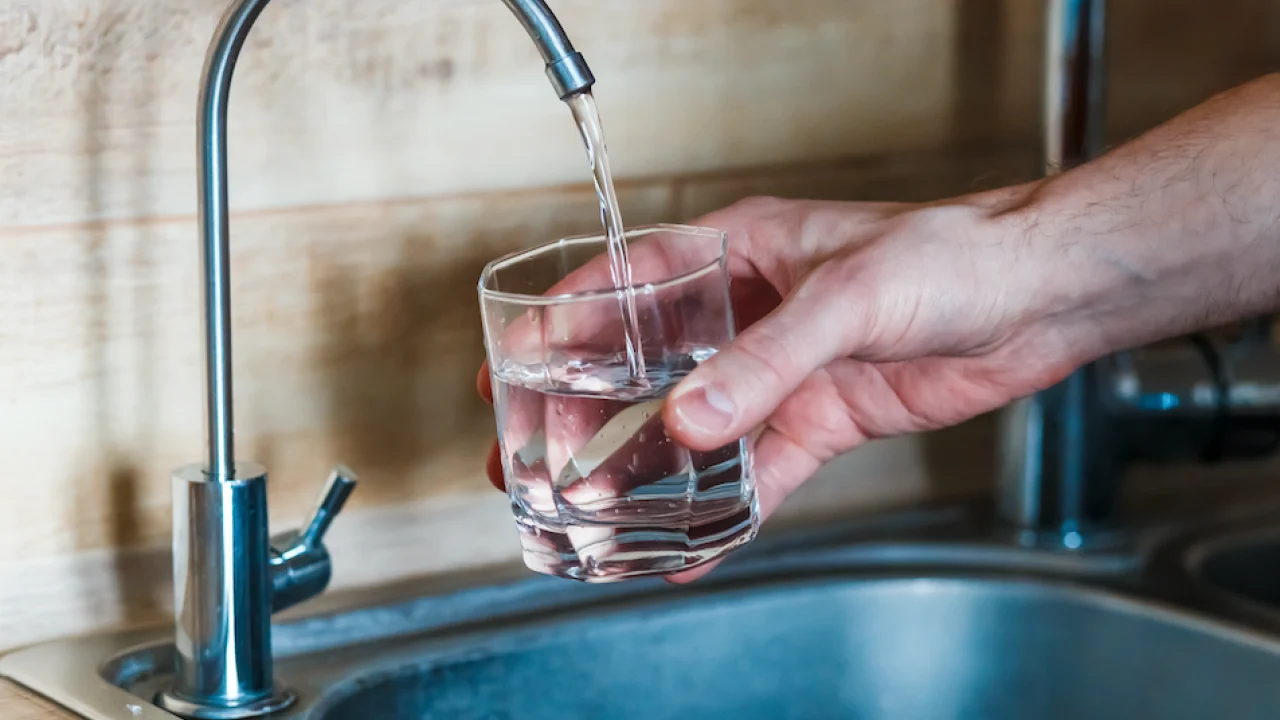
There’s a certain appeal to being able to pour a glass straight from the tap and actually enjoy it.
But getting there requires more than simply installing a random filter.
Start by checking your water quality. Then identify whether you need whole-house treatment, drinking-water filtration, or both.
Whole-home systems can address water conditions that affect showers, laundry, fixtures, and appliances. Point-of-use systems focus on a particular faucet, often in the kitchen.
If your concern is mainly drinking-water taste or a specific dissolved contaminant, a point-of-use system might be all you need. If hard water or iron is affecting the entire home, broader treatment may make more sense.
Don’t Confuse a Softener With a Drinking-Water Filter
Hard water is a common household concern, but softening and filtration serve different purposes.
A water softener is primarily designed to reduce hardness caused by calcium and magnesium. It can help control scale and improve the way water behaves during cleaning.
A drinking-water filter, meanwhile, can target specific substances depending on its design.
Some households benefit from both. For example, a whole-house softener can address hard water while a kitchen filtration system provides additional treatment for drinking and cooking.
The important thing is understanding what each piece of equipment actually does.
Maintenance Makes a Bigger Difference Than You Think
Even a high-quality filtration system needs attention.
Filters eventually become exhausted. Reverse osmosis membranes need replacement. Connections and components may require inspection.
It’s easy to forget maintenance when everything is working well. Then one day the water tastes different and you realize the filter should have been replaced months ago.
Keep a simple maintenance schedule. Set calendar reminders. Know which replacement parts your system uses and what they cost.
A system that’s easy to maintain is much more likely to stay effective.
Consider the Cost Over Several Years
The initial price is only one part of the equation.
When comparing systems, look at installation, replacement filters, membranes, electricity, servicing, and expected lifespan.
A less expensive system may seem attractive at first but become costly if replacement components are expensive. On the other hand, the most expensive system isn’t automatically the best fit.
Look for value rather than hype.
Ask what the system removes, what it doesn’t remove, how often it needs maintenance, and whether the capacity is appropriate for your household.
A Better Glass of Water Starts With Better Information
There’s no single filtration system that’s right for every home. That’s actually good news.
It means you can choose based on your specific water instead of buying whatever happens to be popular.
Test your water. Understand the results. Compare treatment technologies. Think about maintenance and long-term costs.
Then make the choice that fits your household.
Once the right system is in place, something pleasantly ordinary can happen: you walk into the kitchen, turn on the faucet, fill a glass, and drink without giving it a second thought.
And maybe that’s the best measure of successful water treatment. Not flashy equipment or complicated technology—just water you trust and genuinely enjoy drinking.