There’s a moment most homeowners have experienced at least once. You unload the dishwasher expecting sparkling glasses, only to find cloudy streaks and chalky white marks staring back at you. You wash them again, maybe by hand this time, but the results barely improve. It’s frustrating, especially when you’re using quality detergent and keeping your appliances clean.
The surprising part is that the dishwasher often isn’t the problem at all. More often than not, your water is trying to tell you something.
Hard water affects millions of homes, and while it usually isn’t harmful to drink, it quietly changes how your home functions. It influences the appearance of dishes, the performance of appliances, and even the amount of time you spend cleaning. The good news is that once you understand what’s happening, it becomes much easier to manage.
Related storyHow to Stop Hard Water From Taking Over Your Home
What Makes Hard Water Different?
Hard water contains naturally occurring minerals, primarily calcium and magnesium, that enter groundwater as it travels through layers of rock.
By the time the water reaches your home, those minerals are still present. Every shower, load of laundry, dishwasher cycle, and cup of coffee carries them through your plumbing.
The challenge begins when water evaporates or is heated. Instead of disappearing completely, the minerals remain behind, slowly collecting on surfaces and inside appliances.
Related storyThe Hidden Water Problem That Slowly Wears Down a Home
These deposits may seem harmless at first, but they gradually affect both appearance and performance throughout your home.
Why Your Dishes Never Look Completely Clean
One of the earliest signs of hard water usually appears inside the dishwasher.
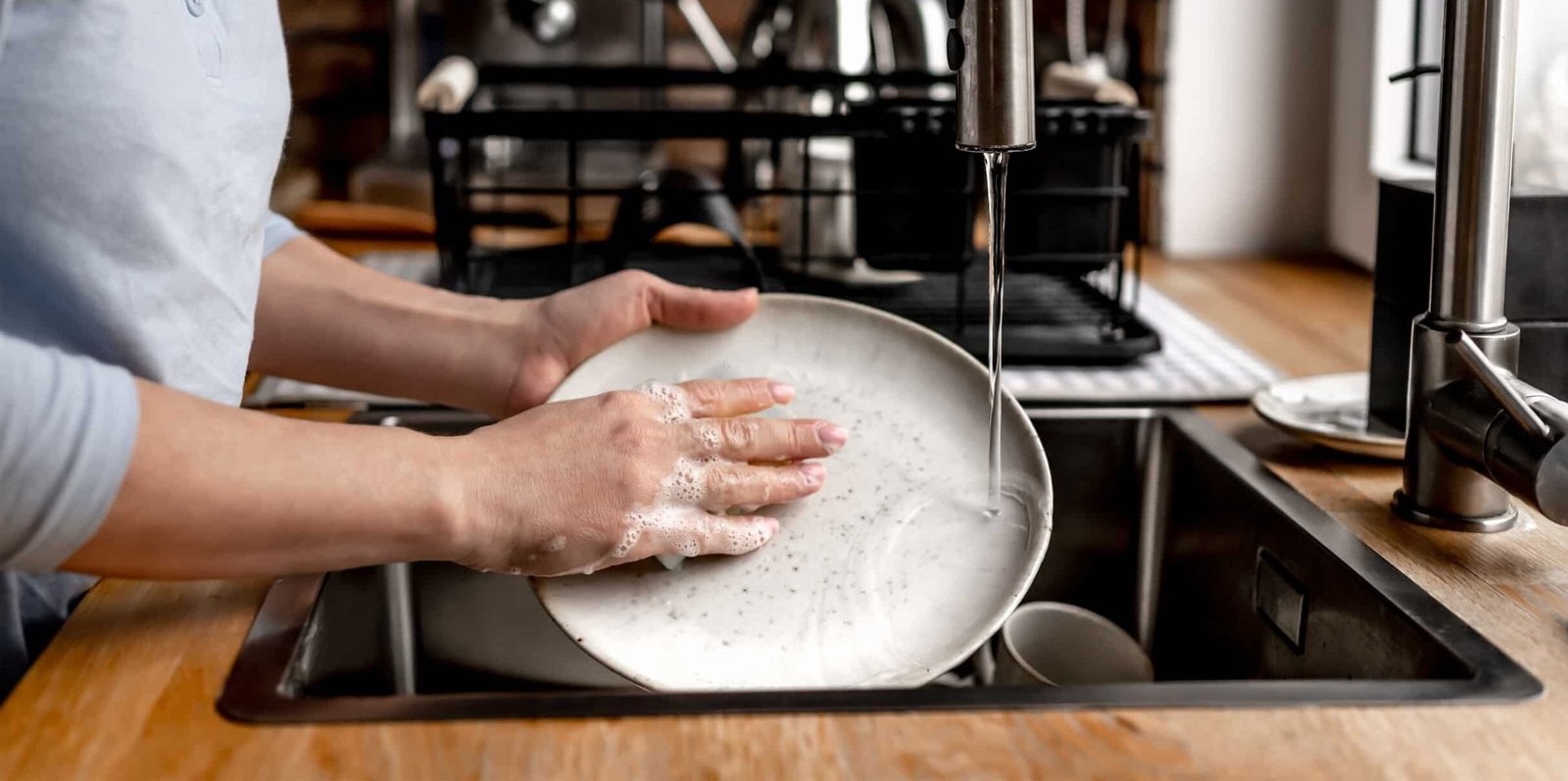
After each wash cycle, tiny mineral deposits dry onto glassware, plates, and silverware. Instead of sparkling dishes, homeowners are left with spots and stains on dishes that don’t seem to disappear no matter how often they’re washed.
Many people initially blame detergent or dishwasher performance. In reality, the appliance may be working perfectly well.
Related storyUnderstanding Problem Water Systems: Practical Water Treatment Solutions for Everyday Water Problems
The minerals simply remain after the water evaporates, leaving behind a thin residue that’s difficult to remove without addressing the water itself.
Rinse aids can help reduce visible spotting, but they don’t eliminate the underlying cause.
The Difference Between Dirt and Mineral Deposits
A common misunderstanding is assuming cloudy glasses are dirty.
Related storyHow Modern Water Softeners Make Hard Water Easier to Manage
In many cases, they’re actually clean.
Mineral residue creates a dull film that sits on the surface, changing how light reflects through the glass. That’s why freshly washed drinking glasses sometimes appear permanently cloudy even though they’ve just completed a full cleaning cycle.
Over time, repeated exposure to hard water can even cause permanent etching on certain types of glassware, making the cloudiness impossible to remove.
Recognizing the difference between dirt and mineral deposits helps homeowners choose more effective solutions.
Related storyChoosing the Right Water Treatment Installation Approach for Cleaner, Healthier Water at Home
Why Hard Water Stains Keep Coming Back
Bathrooms and kitchens often reveal hard water’s presence long before plumbing problems appear.
White deposits around faucets, chalky rings inside sinks, cloudy shower doors, and dull chrome fixtures are all common examples of hard water stains.
You scrub them away, only to watch them slowly return a few days later.
That’s because every drop of untreated hard water leaves behind another microscopic layer of minerals as it dries.
Without changing the water itself, cleaning becomes an endless cycle rather than a lasting solution.
Many homeowners spend unnecessary money on stronger cleaning products when the real answer lies in treating the source of the problem.
What Happens Inside Your Plumbing
The visible stains are only part of the story.
The same minerals collecting on shower doors also accumulate inside pipes, water heaters, dishwashers, washing machines, and coffee makers.
Unlike faucets or sinks, these areas remain hidden, allowing deposits to build unnoticed for years.
As the layers grow thicker, water flow becomes more restricted and heating elements lose efficiency.
Appliances must work harder to perform everyday tasks, increasing energy consumption while gradually shortening their lifespan.
It’s a slow process, which is exactly why so many homeowners fail to notice it until repairs become necessary.
Why Mineral Buildup Costs More Than You Think
One of the biggest long-term effects of mineral buildup is reduced appliance efficiency.
Water heaters coated with scale require more energy to produce hot water. Dishwashers may struggle to rinse dishes thoroughly, while washing machines often become less effective over time.
Coffee makers, kettles, humidifiers, and ice makers are also vulnerable because they regularly heat or evaporate water.
Although each appliance may continue functioning, the extra effort eventually translates into higher utility bills and more frequent maintenance.
Protecting these systems early often costs far less than replacing them later.
Simple Ways to Reduce Hard Water Effects
Living with hard water doesn’t mean accepting constant frustration.
Several simple maintenance habits can make a noticeable difference.
Cleaning showerheads and faucet aerators with white vinegar helps dissolve early mineral deposits before they become stubborn. Flushing the water heater annually removes accumulated sediment, improving efficiency and extending equipment life.
Using dishwasher rinse aids can reduce spotting, while descaling coffee makers every few months helps maintain brewing performance.
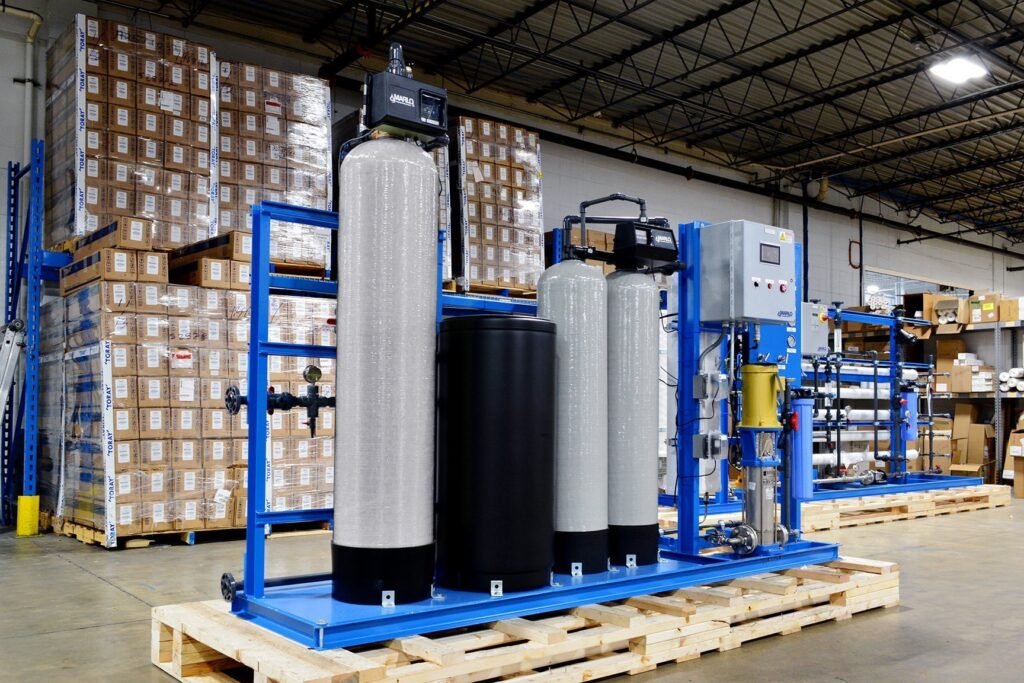
For homes with consistently high hardness levels, installing a water softener provides one of the most effective long-term solutions by removing hardness minerals before they circulate throughout the house.
Looking Beyond Cosmetic Improvements
Many homeowners initially consider water treatment because they’re tired of cleaning bathroom fixtures.
Ironically, the greatest benefits usually have nothing to do with appearance.
Softened water often helps appliances last longer, improves soap performance, reduces energy consumption, and makes everyday cleaning considerably easier.
Laundry feels softer, shampoo rinses more completely, and dishes come out noticeably clearer.
These improvements may seem small individually, but together they create a home that’s easier and less expensive to maintain over the years.
Small Changes That Protect Your Home
Hard water rarely creates dramatic emergencies. Instead, it quietly affects your home one load of laundry, one shower, and one dishwasher cycle at a time.
Those cloudy glasses and white faucet stains aren’t merely cosmetic annoyances—they’re early reminders that minerals are working throughout your plumbing system every single day.
By recognizing these signs early and taking practical steps to address them, homeowners can reduce cleaning time, improve appliance performance, and avoid many costly repairs in the future.
Sometimes the smartest home improvement isn’t replacing an appliance at all. It’s improving the quality of the water flowing through it. When you solve the problem at its source, the benefits reach nearly every corner of your home.