Water rarely gets much attention when people think about running a successful business. Owners usually focus on customer service, inventory, staffing, equipment, or marketing. Yet water quietly supports countless daily operations behind the scenes. Whether it’s a restaurant preparing meals, a hotel welcoming guests, a manufacturing facility producing goods, or an office keeping employees comfortable, dependable water plays a bigger role than many people realize.
Most businesses don’t notice their water until something goes wrong. Maybe coffee suddenly tastes different in the break room. Perhaps scale begins clogging expensive equipment, or customers start mentioning spots on glassware. Those little inconveniences often point toward a much larger opportunity: improving water before small problems become expensive ones.
As operating costs continue to rise, many organizations are discovering that investing in better water isn’t just about quality—it’s about efficiency, consistency, and protecting valuable assets.
Related storyWhy Water Purity Matters More in Commercial and Specialized Applications
Water Touches Nearly Every Business
The importance of water changes depending on the industry, but its impact is almost universal.
Restaurants rely on it for cooking, beverages, dishwashing, and food preparation. Hotels use enormous amounts for guest rooms, laundry services, kitchens, and recreational facilities. Medical clinics require dependable water for sanitation, while manufacturing plants often depend on consistent water quality for production processes.
Even offices that don’t directly produce goods still use water every day in kitchens, restrooms, coffee machines, and HVAC systems.
Related storyUnderstanding Problem Water Systems: Practical Water Treatment Solutions for Everyday Water Problems
Because water supports so many daily activities, even minor quality issues can gradually influence operating costs and customer satisfaction without immediately attracting attention.
Hidden Costs That Build Over Time
One of the biggest challenges with poor water quality is that its effects often develop slowly.
Hard minerals accumulate inside water heaters. Scale forms within coffee machines and ice makers. Plumbing fixtures require more maintenance, and appliances become less energy efficient over time.
Related storyWhy Industrial Water Filtration Matters More Than You Might Think
Since these changes happen gradually, many businesses simply absorb the extra costs without realizing water is contributing to them.
Routine maintenance becomes more frequent, equipment doesn’t last as long, and utility expenses quietly increase year after year.
Addressing these issues early often proves far less expensive than repeatedly repairing or replacing commercial equipment.
Related storyWhy More Homeowners Are Choosing Reverse Osmosis for Better-Tasting Water
Why Businesses Need Tailored Filtration
Unlike residential properties, commercial facilities usually consume significantly larger volumes of water every day.
A busy restaurant may process hundreds of meals daily. Hotels serve dozens—or even hundreds—of guests around the clock. Manufacturing facilities often require uninterrupted water supplies to maintain production schedules.
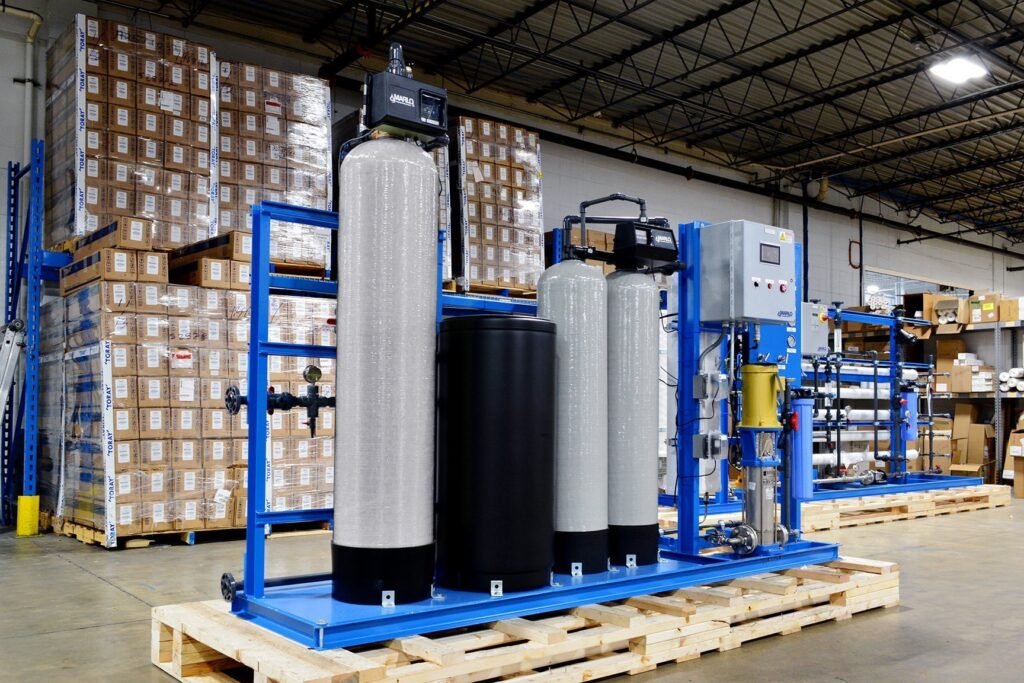
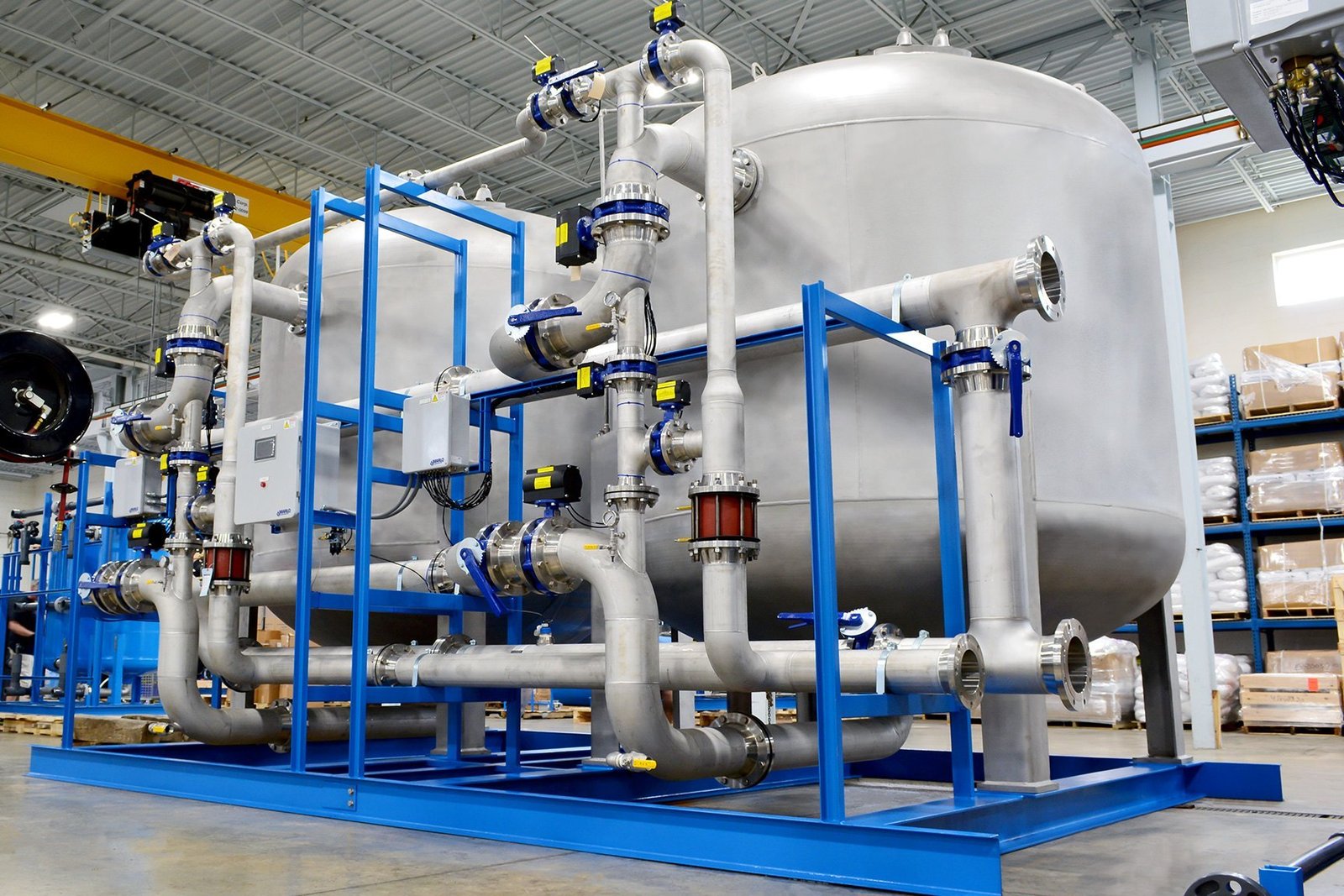
Because of these demands, many organizations invest in a commercial water filtration system designed specifically for higher flow rates and continuous operation.
These systems are built to handle larger capacities while maintaining consistent performance throughout the day. Rather than relying on small residential equipment, businesses benefit from solutions engineered for commercial workloads and operational reliability.
Related storyA Smarter Environmental Choice for Water Treatment Starts With Managing Hard Water
Better Water Creates Better Customer Experiences
Customers may never notice a filtration system sitting in a utility room, but they often notice the results.
Fresh-tasting coffee, crystal-clear ice cubes, spotless glassware, and better-tasting food all contribute to positive impressions. Hotel guests appreciate clean showers without excessive mineral buildup, while restaurant patrons naturally associate quality beverages with quality service.
These experiences aren’t always dramatic, yet they quietly shape customer satisfaction.
Businesses spend substantial resources improving décor, branding, and service standards. Water quality deserves similar attention because it influences countless customer interactions every single day.
Protecting Equipment Is a Financial Decision
Commercial equipment represents a significant investment.
Dishwashers, steam ovens, espresso machines, boilers, refrigeration systems, water heaters, and industrial processing equipment often operate continuously for long hours. Mineral deposits and sediment can gradually reduce efficiency, shorten equipment lifespan, and increase maintenance requirements.
Installing appropriate commercial water filtration solutions helps minimize these issues by reducing impurities before they reach expensive machinery.
The result is often fewer breakdowns, lower repair costs, and improved operational consistency over the long term.
Preventive maintenance is almost always more affordable than emergency equipment replacement.
Hard Water Can Affect More Than Plumbing
Hard water is one of the most common challenges faced by businesses across many regions.
Excess minerals don’t simply leave deposits inside pipes—they can influence detergent performance, increase soap consumption, reduce heating efficiency, and leave visible residue on dishes, fixtures, and glass surfaces.
For businesses where presentation matters, such as hotels, restaurants, cafés, salons, and healthcare facilities, these seemingly minor details directly affect customer perception.
Many organizations address this challenge by installing commercial water softeners that reduce hardness before it circulates throughout the building. Properly managed water softness often improves cleaning performance while helping protect plumbing and equipment.
Choosing the Right Solution
Not every commercial property requires the same type of treatment system.
A coffee shop has different priorities than a manufacturing plant. A medical office faces different water requirements than a fitness center or apartment complex.
That’s why professional water analysis remains one of the most valuable first steps. Instead of relying on assumptions, businesses gain accurate information about mineral content, sediment levels, chlorine, and other characteristics affecting their operations.
Once those conditions are understood, selecting equipment becomes much more straightforward.
Customized solutions typically perform better than generic systems because they’re designed around actual operating needs rather than marketing claims.
Long-Term Value Goes Beyond Water Quality
Many business owners initially focus on improving water taste or reducing visible mineral buildup.
Those are certainly worthwhile goals, but the long-term benefits extend much further.
Lower maintenance expenses, improved equipment reliability, reduced downtime, better energy efficiency, and enhanced customer experiences all contribute to stronger business performance over time.
In competitive industries where every operational advantage matters, reliable water systems quietly support profitability without requiring daily attention.
It’s one of those investments that works in the background while allowing staff to focus on serving customers.
Better Water Supports Better Business
Running a successful business requires paying attention to countless details, many of which customers never see. Water happens to be one of those hidden factors that influences nearly everything behind the scenes.
From protecting valuable equipment to improving food preparation, maintaining cleaner facilities, and creating a better experience for customers and employees alike, quality water supports daily operations in ways that are easy to overlook.
Rather than viewing water treatment as another expense, many organizations now recognize it as a practical investment in efficiency, consistency, and long-term success. When your business depends on reliable performance every day, having dependable water isn’t simply convenient—it’s part of building a stronger operation for years to come.