Water seems simple until you need it to perform consistently. At home, a slightly different taste might be annoying. In a restaurant, hotel, laboratory, healthcare setting, or manufacturing facility, though, water quality can affect much more than someone’s morning glass of water.
It can influence recipes, equipment, production processes, cleaning, and other important daily tasks. That’s why commercial water treatment requires a little more thought than simply installing a filter and forgetting about it.
The right system depends on what the water is being used for, what is already in the supply, and how consistent the finished water needs to be.
Related storyWhy Reliable Water Systems Are Becoming a Smart Investment for Modern Businesses
Start by Understanding the Water
Before choosing treatment equipment, it’s worth testing the incoming water. This gives you a clearer picture of hardness, dissolved minerals, chlorine or chloramine levels, sediment, and other characteristics that may affect the application.
Different businesses have different priorities. A restaurant may care deeply about taste and consistency, while a manufacturer may need water with carefully controlled mineral content.
There isn’t one treatment method that works perfectly for every situation. And honestly, that’s a good thing. It means systems can be selected around actual requirements instead of forcing every business into the same setup.
What a Commercial Reverse Osmosis System Does
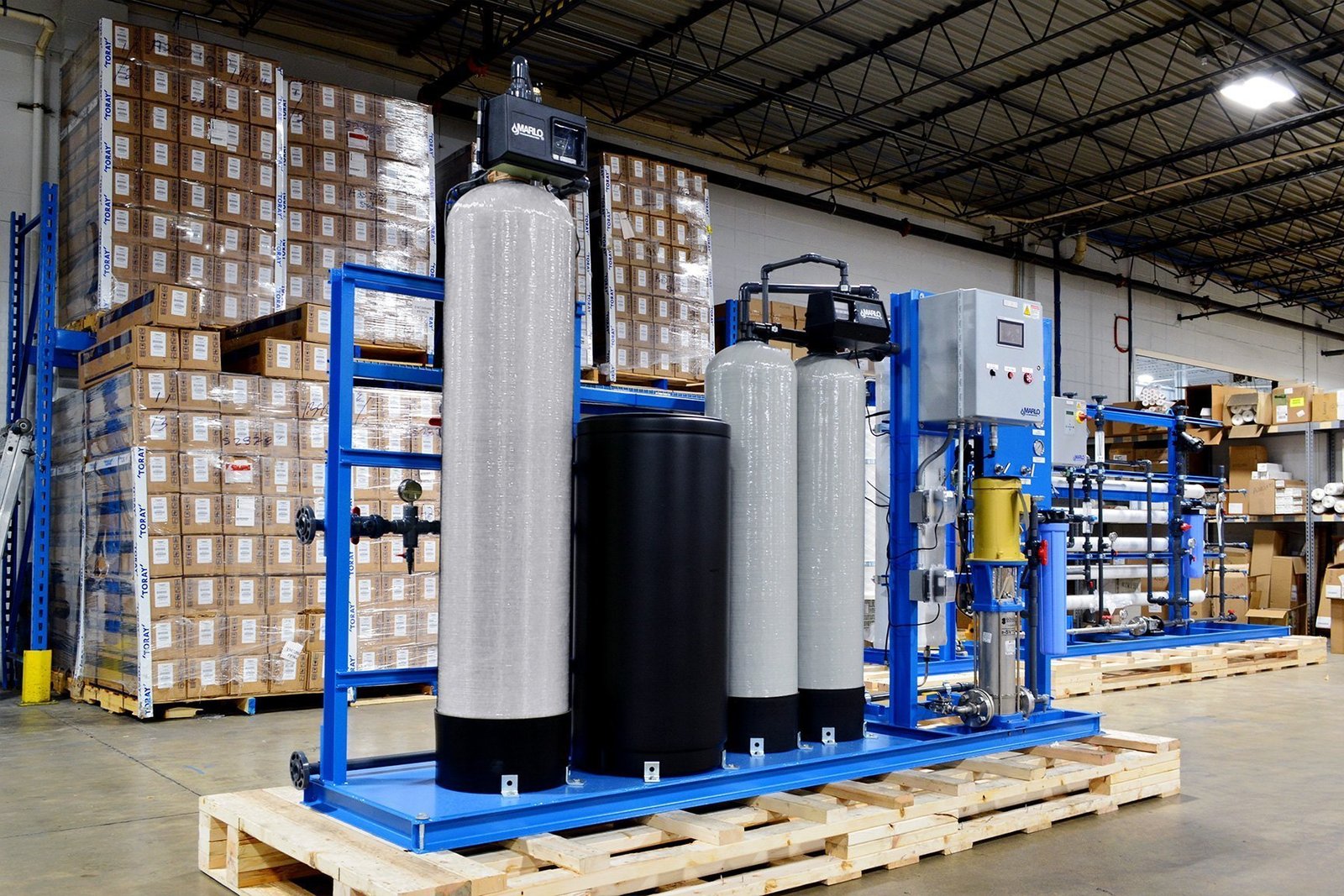
A Commercial Reverse Osmosis System uses a semipermeable membrane to reduce many dissolved substances from water. Under pressure, water passes through the membrane while many dissolved contaminants are rejected.
The result can be significantly treated water that’s suitable for a variety of commercial applications, depending on the system design and source-water conditions.
Restaurants, beverage operations, food-service businesses, laboratories, and manufacturing facilities may use reverse osmosis when lower-mineral water is important.
However, reverse osmosis isn’t a magic solution for every water problem. Pretreatment may be necessary to protect the membrane from excessive sediment, hardness, chlorine, or other conditions that could affect performance.
Related storyWhy Industrial Water Filtration Matters More Than You Might Think
Why Consistency Matters in Food and Beverage
Imagine ordering the same drink at your favorite café twice in one week and getting noticeably different results.
Maybe the coffee tastes different. Perhaps the ice has an unusual flavor. Or a beverage recipe doesn’t quite taste the way it normally does.
Water can be part of the equation.
Water makes up a significant portion of many beverages, so its mineral content and taste characteristics can influence the finished product. For businesses that need repeatable results, consistent treated water can become an important operational detail.
Related storyUnderstanding Problem Water Systems: Practical Water Treatment Solutions for Everyday Water Problems
That’s where beverage recipe compliance can matter. When a recipe depends on particular ingredients and ratios, unexpected variation in water quality can make consistency harder to maintain.
It’s not always the obvious ingredient causing the problem.
Coffee Is a Good Example
Coffee shops are an easy example because water is such a major part of every cup.
Too many minerals can affect flavor, while extremely low-mineral water may also produce a different brewing profile. Water chemistry interacts with coffee compounds during extraction, so consistency matters.
There’s a balance to find.
The goal isn’t necessarily to remove everything from the water. Instead, businesses should determine what water characteristics support their particular brewing equipment and recipes.
Related storyChoosing the Right Water Treatment Installation Approach for Cleaner, Healthier Water at Home
This is why professional water analysis can be more useful than simply copying the treatment setup used by another café across town.
Protecting Expensive Equipment
Commercial equipment can be expensive, and many machines depend heavily on water.
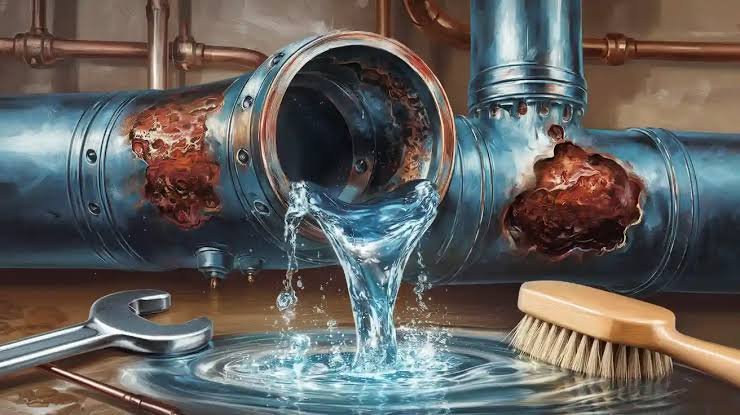
Coffee machines, ice makers, steamers, dishwashers, boilers, and other equipment can be affected by scale and mineral buildup. Over time, deposits may contribute to maintenance problems or reduced efficiency.
Water treatment can help manage specific water-quality concerns, but it should be viewed as one part of equipment care rather than a guarantee against breakdowns.
Regular cleaning, manufacturer-recommended maintenance, and appropriate water treatment should work together.
After all, even the best filtration system can’t fix a machine that’s been ignored for five years.
Healthcare and Sensitive Applications
Some applications require considerably more control over water quality than ordinary food service.
In healthcare environments and certain specialized facilities, water may be involved in processes where quality requirements are particularly important. Sensitive medical usage can require carefully defined specifications and treatment approaches based on the intended application.
This is an area where assumptions aren’t appropriate.
Water requirements can vary significantly depending on the equipment and procedure involved. Facilities should follow applicable regulations, manufacturer specifications, and professional guidance rather than relying on a generic commercial filtration system.
When the application is sensitive, the treatment process needs to be treated with the same seriousness as the process itself.
Pretreatment Can Make a Big Difference
Reverse osmosis membranes are effective, but they work best when the incoming water is suitable for the equipment.
Depending on the source water, pretreatment may include sediment filtration, carbon filtration, water softening, or other conditioning steps.
For example, excessive hardness can contribute to scaling, while chlorine may damage certain types of reverse osmosis membranes.
A properly designed treatment train can therefore be more effective than relying on one piece of equipment to handle everything.
The details depend on the water analysis.
Think About Water Demand
Commercial systems need to be sized according to actual usage.
A small café and a large hotel don’t have the same water requirements. Peak demand matters just as much as average daily consumption.
If a system can’t keep up during busy periods, the business may experience pressure issues, storage shortages, or inconsistent water availability.
On the other hand, installing equipment that’s dramatically larger than necessary can increase upfront and operating costs.
Good sizing is about finding the practical middle ground.
Storage and Delivery Matter Too
Treatment doesn’t end when water passes through a membrane.
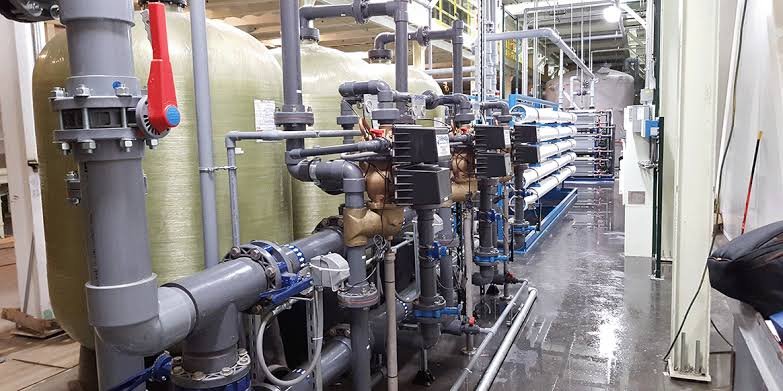
Businesses may need storage tanks, pumps, pressure controls, distribution lines, and monitoring equipment. Each component can affect the reliability of the overall system.
Water that has been properly treated but stored incorrectly may create a different set of concerns.
That’s why commercial water treatment should be viewed as a complete process rather than a single machine sitting in a utility room.
Maintenance Isn’t Optional
Commercial water systems require regular attention.
Filters need replacement. Membranes need monitoring and eventual cleaning or replacement. Pumps and valves may require service. Water quality should also be checked periodically to confirm that the system continues performing as expected.
Skipping maintenance can gradually reduce system performance without producing an obvious warning.
A good maintenance schedule should include replacement intervals, inspections, performance checks, and documentation where appropriate.
It may feel like another task on an already long business checklist, but preventive maintenance is usually easier than dealing with an unexpected treatment failure.
Choosing the Right System for the Job
The best commercial water-treatment system isn’t necessarily the biggest or most expensive one.
Start with the water analysis and the intended application. Then consider required flow rate, treated-water quality, storage, pretreatment, maintenance, available space, and operating costs.
Ask suppliers to explain performance claims in practical terms. Find out what the system is designed to reduce and what limitations apply.
Most importantly, make sure the treatment strategy matches the actual business need.
The Bottom Line
Commercial water quality is about much more than having water that looks clean.
For food and beverage businesses, consistency can affect taste and customer experience. For equipment, appropriate water treatment can help manage mineral-related problems. In specialized healthcare or industrial applications, carefully controlled water may be part of a much larger quality process.
The smartest approach is to test the water, understand the application, and build treatment around those facts.
When the system is properly designed and maintained, it doesn’t have to become the star of the show. It simply provides dependable water in the background — exactly what a busy business needs.