There’s something oddly comforting about turning on the kitchen faucet and expecting fresh, safe water every single time. Most of us don’t think twice about it. We fill a glass, brew coffee, cook dinner, or rinse fruit without stopping to wonder what’s actually flowing through those pipes.
But the truth is, water isn’t exactly the same everywhere. It changes from one city to another, one neighborhood to the next, and sometimes even from one season to another. Minerals, aging infrastructure, local treatment methods, and environmental conditions all play a role. That’s why taking a little time to understand your home’s water can make a surprisingly big difference—not just for drinking, but for your appliances, plumbing, skin, and overall comfort.
Understanding What’s Really in Your Water
Tap water can contain a wide range of naturally occurring minerals. Calcium and magnesium are among the most common, and while they aren’t harmful to drink, they can leave behind stubborn scale inside pipes, water heaters, and household fixtures.
Related storyUnderstanding Problem Water Systems: Practical Water Treatment Solutions for Everyday Water Problems
Then there are chlorine and other disinfectants that municipal systems use to keep water safe during distribution. They serve an important purpose, yet many homeowners notice the taste or smell they leave behind. Some people get used to it. Others never really do.
Private well owners face a slightly different challenge. Their water may contain sediment, iron, sulfur, or naturally occurring contaminants that require specific treatment. There’s no universal answer because every water source tells its own story.
Why Small Water Problems Often Become Bigger Ones
At first, hard water might seem like nothing more than cloudy dishes or white residue around faucets. Maybe your soap doesn’t lather quite as well as it used to. Towels feel stiff. Shampoo takes forever to rinse out.
Related storyChoosing the Right Water Treatment Installation Approach for Cleaner, Healthier Water at Home
Those little annoyances can gradually turn into expensive maintenance issues.
Mineral buildup reduces the efficiency of water heaters, narrows plumbing pipes over time, and shortens the lifespan of appliances like washing machines and dishwashers. Repairs that seem unrelated often trace back to years of untreated mineral deposits quietly collecting where nobody can see them.
Ignoring these signs doesn’t always create immediate problems—but eventually, they tend to add up.
The Value of water softener and filtration systems
Many homeowners assume they need either a water softener or a filter. In reality, the two solve different problems and often work best together.
Related storyWhy Better Water Makes Everyday Life Feel Easier
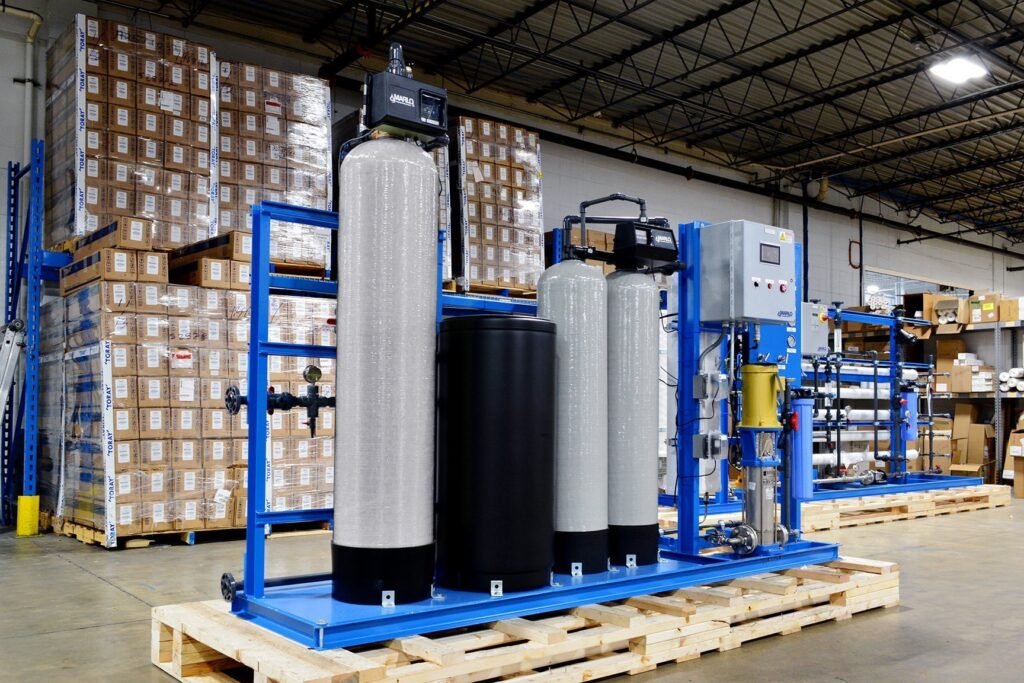
Water softener and filtration systems complement one another because each addresses a separate aspect of water treatment. A softener removes hardness-causing minerals, while a filtration system targets chlorine, sediment, unpleasant tastes, odors, and certain contaminants depending on the filter technology.
Together, they create water that’s easier on plumbing, gentler on skin, and generally more pleasant to use throughout the house.
It isn’t about chasing perfection. It’s about making everyday life a little easier without constantly fighting mineral stains or replacing worn-out appliances sooner than expected.
Better Water Makes Everyday Tasks Feel Different
People usually notice the changes in surprisingly ordinary moments.
Related storyWhy More Homeowners Are Choosing Reverse Osmosis for Better-Tasting Water
Coffee tastes a little smoother. Ice cubes become clearer. Soap rinses away more easily. Laundry feels softer, even without using extra fabric softener. Shower doors stay cleaner longer.
These aren’t dramatic transformations that happen overnight. They’re subtle improvements that slowly become your new normal.
Many homeowners don’t realize how much they had adapted to poor water until they experience something better.
Related storyA Smarter Environmental Choice for Water Treatment Starts With Managing Hard Water
Why clean water Matters Beyond Drinking
When people hear the phrase clean water , they often picture a glass sitting on the kitchen counter.
But water touches nearly every part of daily life.
You bathe in it.
You brush your teeth with it.
You wash vegetables, prepare meals, clean dishes, fill pet bowls, and do countless loads of laundry throughout the year.
Because water is woven into almost everything we do, improving its quality has benefits that extend well beyond hydration. Families often notice fewer mineral spots, better tasting beverages, reduced soap usage, and an overall sense that their home simply functions more smoothly.
It’s one of those upgrades that quietly improves dozens of routines without demanding constant attention.
Testing Before Choosing a Solution
One mistake homeowners sometimes make is buying treatment equipment before understanding what their water actually contains.
That’s a bit like buying prescription glasses without an eye exam.
A proper water test identifies hardness levels, pH balance, sediment, dissolved minerals, chlorine, and other characteristics. With accurate information, selecting the right equipment becomes much easier—and usually more cost-effective.
Every home has different needs. A system that works perfectly for one property may not solve another home’s challenges at all.
Testing first helps avoid unnecessary purchases while ensuring you’re treating the actual problem instead of guessing.
Recognizing Common water quality issues
Many homeowners live with water quality issues for years because they’ve become accustomed to them.
Signs often include:
- Water that smells like chlorine, sulfur, or metal.
- Orange or brown staining around sinks and toilets.
- White scale buildup on faucets.
- Dry skin after showering.
- Reduced water pressure caused by mineral deposits.
- Spots that remain on clean dishes after every wash.
- Soap that never seems to rinse completely.
None of these symptoms automatically point to the same cause, which is why diagnosis matters. Once the source is identified, treatment becomes much more straightforward.
Maintenance Is Just as Important as Installation
Even the best water treatment equipment benefits from occasional maintenance.
Filters eventually reach their capacity and need replacement. Water softeners require salt replenishment if they use traditional ion exchange technology. Some systems benefit from annual inspections to ensure everything continues operating efficiently.
Fortunately, routine maintenance is generally simple and inexpensive compared to repairing plumbing or replacing damaged appliances.
A little preventive care goes a long way.
Investing in Long-Term Peace of Mind
Improving your home’s water isn’t really about buying another appliance. It’s about creating a healthier, more comfortable environment where everyday tasks become easier and your home’s plumbing works the way it should.
Every household has different priorities. Some want better tasting drinking water. Others hope to eliminate hard water stains or extend the life of expensive appliances. Many simply want confidence that the water flowing through their home is the best it can reasonably be.
Whatever the motivation, understanding your water is always the first step.
Good water often goes unnoticed because everything simply works. Showers feel refreshing. Dishes come out cleaner. Coffee tastes better. Plumbing stays healthier. Life becomes just a little less complicated.
And honestly, those quiet improvements tend to be the ones that last the longest.